Rice VS Latte
A detailed nutritional comparison
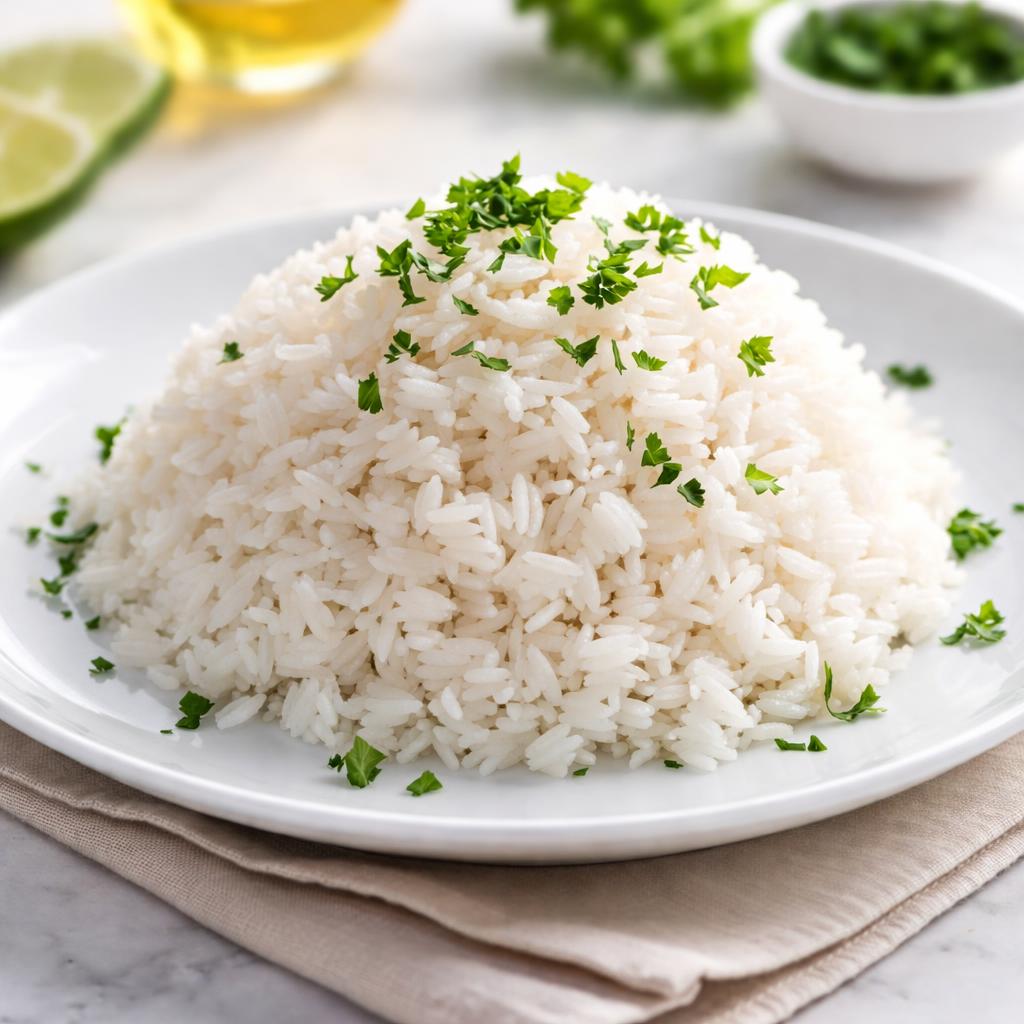
Rice

Latte
🎯 Quick Verdict
Rice is primarily a source of carbohydrates and fiber, making it great for energy and digestion. A latte provides protein, calcium, and healthy fats, making it more nutrient-dense overall. Opt for rice for sustained energy and digestion, and choose a latte for a well-rounded nutrient boost and a quick protein source.

Smart Nutrition Tracking with SnapCalorie

📊 Nutritional Comparison
Macronutrients
| Nutrient | Food 1 | Food 2 | Winner |
|---|---|---|---|
| Calories | 130 | 150 | ✓ |
| Protein | 2g | 8g | ✓ |
| Carbs | 28g | 12g | ✓ |
| Fat | 0.3g | 5g | ✓ |
| Fiber | 0.6g | 0g | ✓ |
Vitamins & Minerals
| Nutrient | Food 1 | Food 2 | Winner |
|---|---|---|---|
| Vitamin D | 0mcg | 1mcg | ✓ |
| Calcium | 10mg | 200mg | ✓ |
| Iron | 0.2mg | 0.1mg | ✓ |
🏆 Category Winners
Protein
A latte has 300% more protein per serving compared to rice.
Fiber
Rice contains 0.6g of fiber, while a latte has negligible fiber.
Calories
Rice has 13% fewer calories per serving compared to a latte.
Vitamins
A latte is significantly richer in Vitamin D and calcium compared to rice.
🥗 Diet Compatibility
Keto
Food 1: Not Compatible
Food 2: Compatible
Rice is high-carb, while a latte is lower-carb with moderate fat.
Vegan
Food 1: Compatible
Food 2: Not Compatible
Rice is plant-based, but typical lattes contain dairy.
Gluten Free
Food 1: Compatible
Food 2: Compatible
Neither rice nor a latte naturally contains gluten.
Paleo
Food 1: Compatible
Food 2: Not Compatible
Rice aligns with paleo diet guidelines, while a latte typically includes non-paleo dairy.
Low Carb
Food 1: Not Compatible
Food 2: Compatible
Rice is high in carbohydrates, while a latte is lower in carbs.
💪 Health Benefits Comparison
Food 1 Benefits
- Provides fast-acting energy due to high carbohydrate content
- Low-fat and cholesterol-free, supporting heart health
- Contains a small amount of fiber for digestion support
Food 2 Benefits
- Offers protein for muscle maintenance and repair
- Rich in calcium for bone health
- Provides healthy fats supporting heart and brain health
✅ The Bottom Line
Choose rice for meals requiring energy and digestion support, ideal for athletes or anyone needing sustained energy. Select a latte for a nutrient-dense protein boost, perfect for breakfast or post-exercise recovery. Each food has distinct advantages depending on dietary needs.
Choose Food 1 for: Sustained energy, heart health, large meals
Choose Food 2 for: Post-workout recovery, protein needs, quick snacks


