Rice VS Large Fries
A detailed nutritional comparison
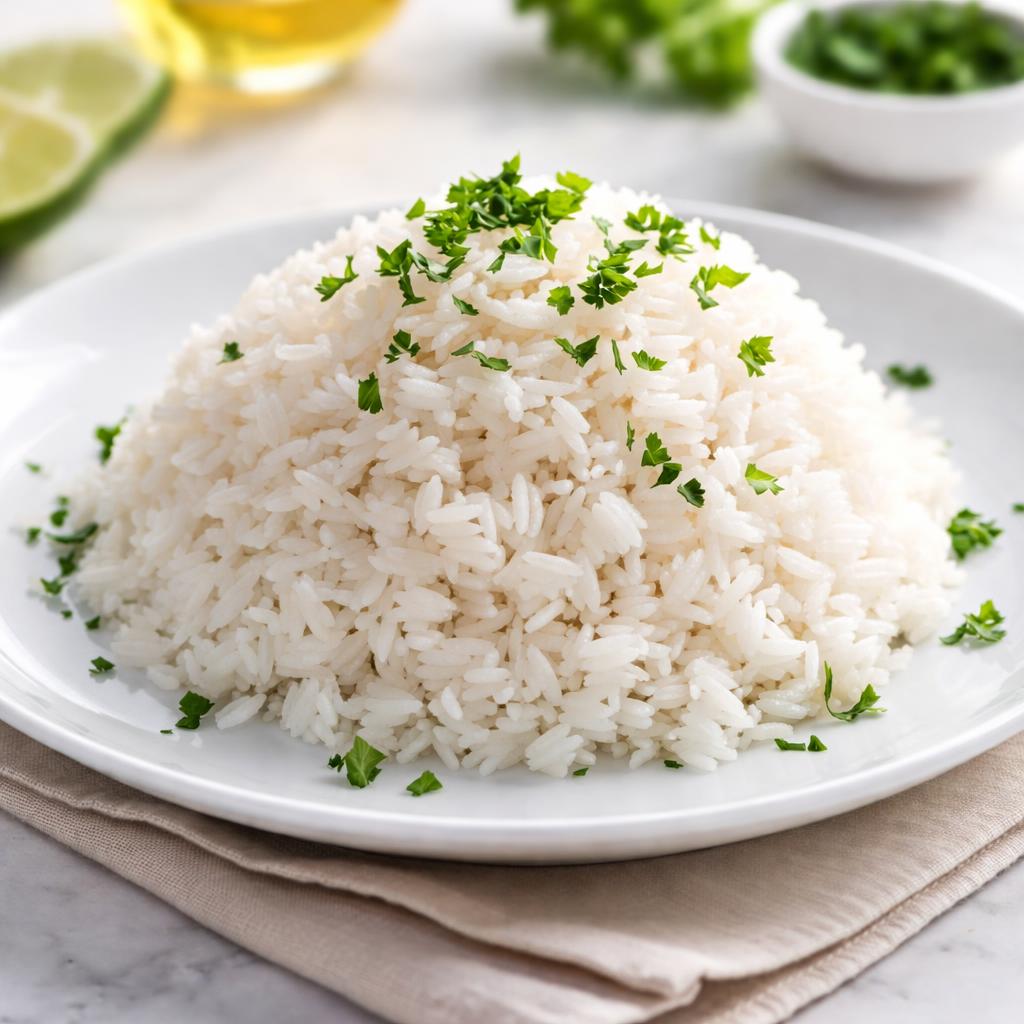
Rice
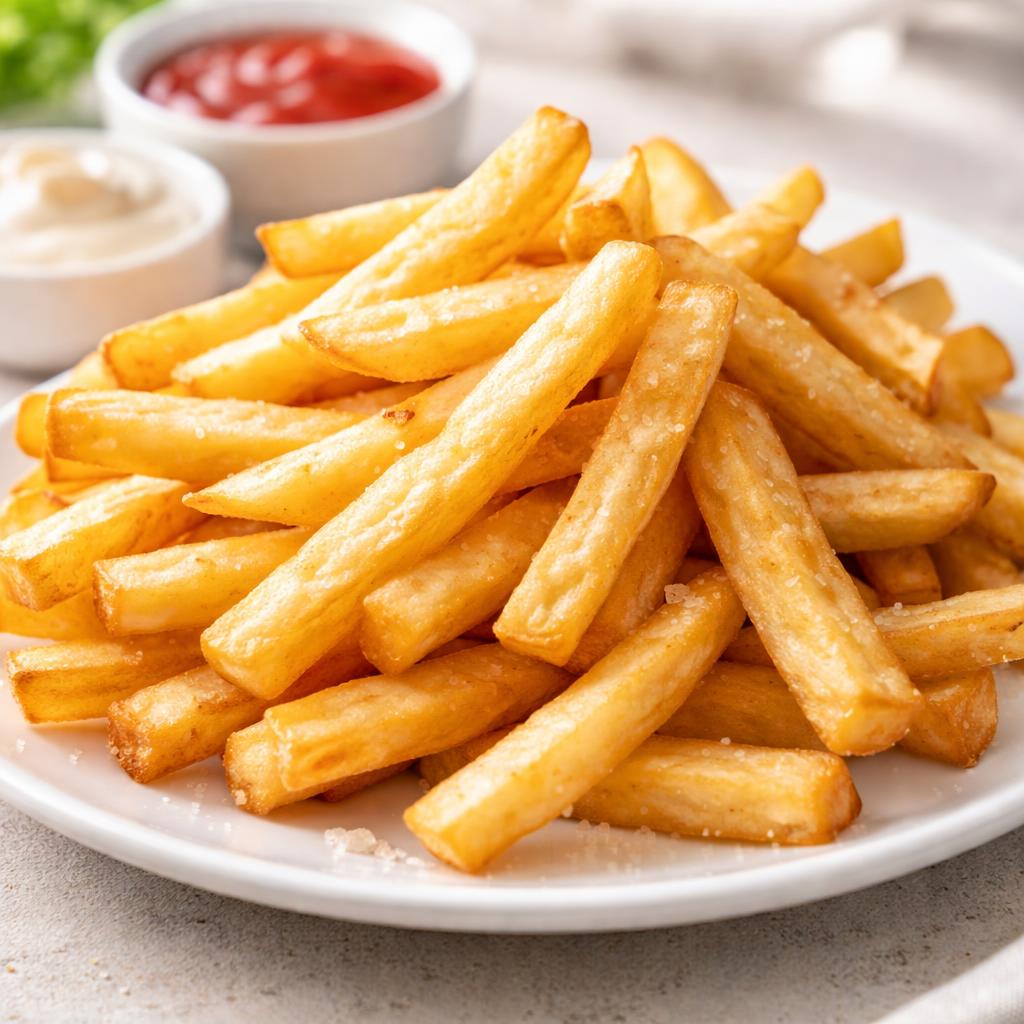
Large Fries
🎯 Quick Verdict
Rice generally serves as a lower-calorie, more versatile base for meals, making it ideal for weight-conscious or low-fat diets. Large fries provide more fiber and fat but are significantly higher in calories, better suited for indulgent treats or energy-dense needs. Rice is also more compatible with dieting and restrictive eating plans like keto or gluten-free options.

Smart Nutrition Tracking with SnapCalorie

📊 Nutritional Comparison
Macronutrients
| Nutrient | Food 1 | Food 2 | Winner |
|---|---|---|---|
| Calories | 206 | 365 | ✓ |
| Protein | 4.3g | 4g | − |
| Carbs | 45g | 48g | ✓ |
| Fat | 0.4g | 17g | ✓ |
| Fiber | 0.6g | 3.8g | ✓ |
Vitamins & Minerals
| Nutrient | Food 1 | Food 2 | Winner |
|---|---|---|---|
| Vitamin D | 0mcg | 0mcg | − |
| Calcium | 10mg | 14mg | ✓ |
| Iron | 0.9mg | 1.2mg | ✓ |
🏆 Category Winners
Protein
Both rice and fries provide roughly the same amount of protein per serving.
Fiber
Large fries have over 6 times the fiber compared to rice per serving.
Calories
Rice has 43% fewer calories than large fries per serving.
Vitamins
Large fries have slightly higher calcium and iron contents compared to rice.
🥗 Diet Compatibility
Keto
Food 1: Not Compatible
Food 2: Not Compatible
Both are high in carbs, making them unsuitable for a keto diet.
Vegan
Food 1: Compatible
Food 2: Compatible
Both rice and fries are plant-based and vegan-friendly.
Gluten Free
Food 1: Compatible
Food 2: Compatible
Neither contains gluten unless fries are cross-contaminated during processing.
Paleo
Food 1: Not Compatible
Food 2: Not Compatible
Neither food fits the paleo diet criteria due to processing (fries) and grain (rice) usage.
Low-Carb
Food 1: Not Compatible
Food 2: Not Compatible
Both options are high-carb and unsuitable for low-carb diets.
💪 Health Benefits Comparison
Food 1 Benefits
- Low in calories for weight management
- Quickly digestible energy source
- Minimal fat content for heart-friendly meals
Food 2 Benefits
- Higher fiber content supports digestion and satiety
- Contains more iron for boosting oxygen transport
- Energy-dense for high-energy requirements
✅ The Bottom Line
Rice is a better choice for those focused on calorie control and versatility in meal preparation, particularly in restrictive diets like vegan or gluten-free. Fries, while higher in fiber and energy, are best reserved for occasional indulgence or when quick, energy-dense meals are needed.
Choose Food 1 for: Weight loss, low-fat diets, meal base
Choose Food 2 for: Energy needs, occasional treats, digestion support


