Rice VS Kosher Salt
A detailed nutritional comparison
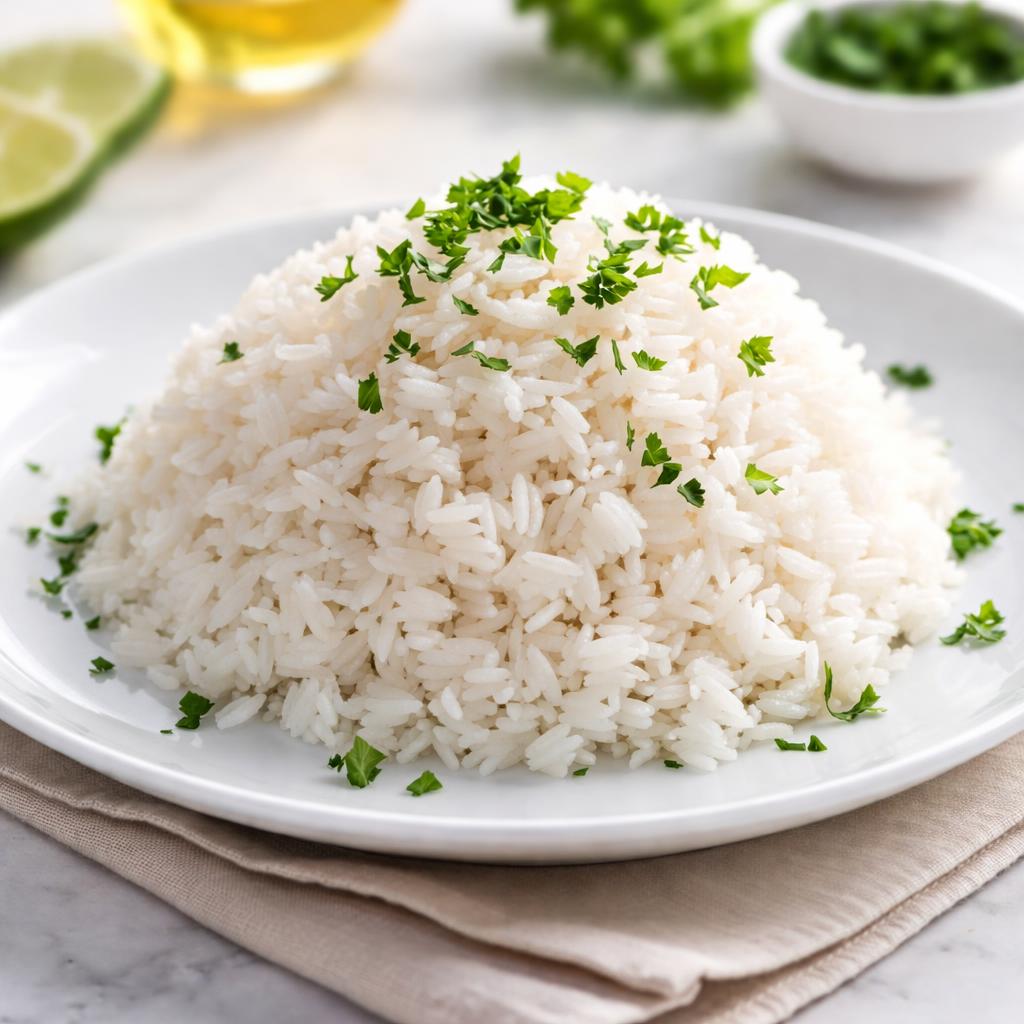
Rice
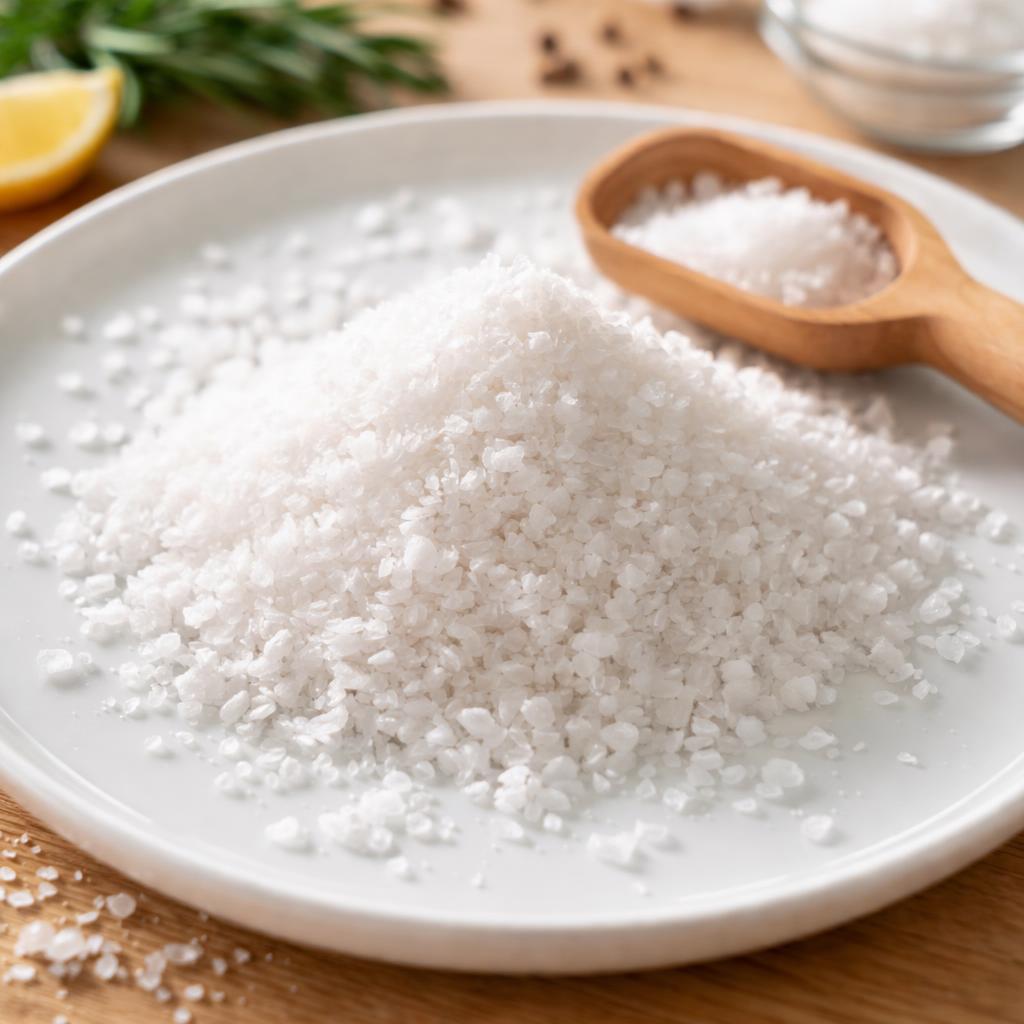
Kosher Salt
🎯 Quick Verdict
Rice and kosher salt are nutritionally incomparable as rice is a carbohydrate-rich staple food, while salt is a seasoning with negligible nutrients apart from sodium. Rice is better suited for energy and dietary fiber, whereas salt is primarily used to enhance flavor. However, excessive salt consumption can lead to health issues like high blood pressure, making rice the healthier choice under normal dietary practices.

Smart Nutrition Tracking with SnapCalorie

📊 Nutritional Comparison
Macronutrients
| Nutrient | Food 1 | Food 2 | Winner |
|---|---|---|---|
| Calories | 206 (per 1 cup cooked) | 0 | ✓ |
| Protein | 4.3g | 0g | ✓ |
| Carbs | 44.5g | 0g | ✓ |
| Fat | 0.5g | 0g | ✓ |
| Fiber | 0.6g | 0g | ✓ |
Vitamins & Minerals
| Nutrient | Food 1 | Food 2 | Winner |
|---|---|---|---|
| Vitamin D | 0mcg | 0mcg | − |
| Calcium | 10mg | 0mg | ✓ |
| Iron | 0.3mg | 0mg | ✓ |
| Sodium | 2mg | 1940mg (per teaspoon) | ✓ |
🏆 Category Winners
Protein
Rice contains 4.3g of protein per serving, while salt has none.
Fiber
Rice contains 0.6g of fiber, whereas salt contains no fiber.
Calories
Salt has zero calories, whereas rice has 206 calories per serving.
Vitamins
Rice contains small amounts of calcium and iron, which are not found in salt.
🥗 Diet Compatibility
Keto
Food 1: Not Compatible
Food 2: Compatible
Rice is high in carbs, making it unsuitable for keto diets. Salt has no carbs.
Vegan
Food 1: Compatible
Food 2: Compatible
Both rice and kosher salt are plant-based.
Gluten Free
Food 1: Compatible
Food 2: Compatible
Neither food contains gluten.
Paleo
Food 1: Compatible
Food 2: Compatible
Both rice and salt are paleo-friendly.
Low Carb
Food 1: Not Compatible
Food 2: Compatible
Rice is carbohydrate-rich; salt contains no carbs.
💪 Health Benefits Comparison
Food 1 Benefits
- Provides sustained energy from carbohydrates.
- Contains small amounts of protein to support bodily functions.
- Offers trace minerals like calcium and iron for bone health and oxygen transport.
Food 2 Benefits
- Enhances flavor in food, making meals more enjoyable.
- Provides sodium, an essential electrolyte for fluid balance and nerve function.
- May preserve food when used in larger quantities.
✅ The Bottom Line
Choose rice for energy, protein, and fiber, especially if you're creating meals requiring substantial macronutrient support. Salt is better used sparingly for flavoring or maintaining sodium balance, but excessive intake should be avoided due to health risks like hypertension.
Choose Food 1 for: Staple carbohydrate source, energy replenishment, meal preparation.
Choose Food 2 for: Seasoning, enhancing flavors, sodium replenishment.


