Rice VS Katsu Curry
A detailed nutritional comparison
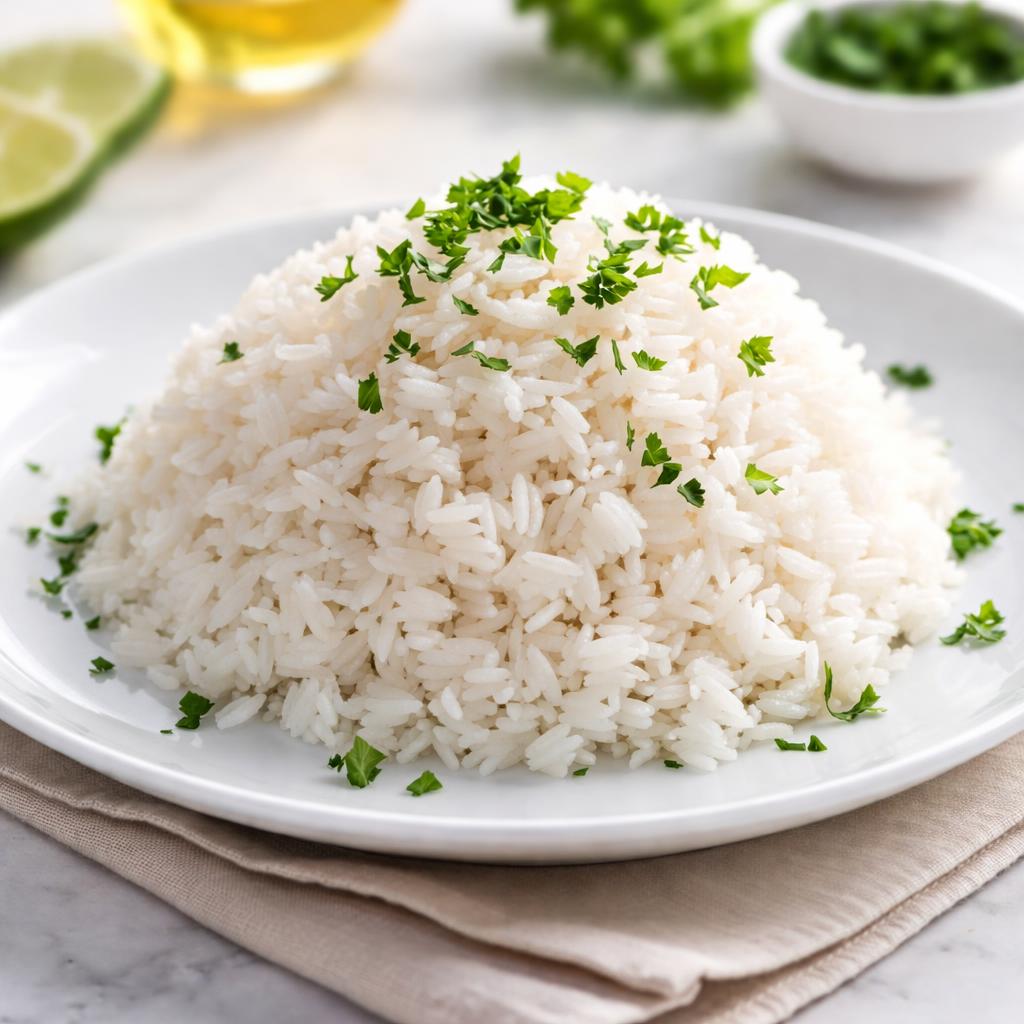
Rice
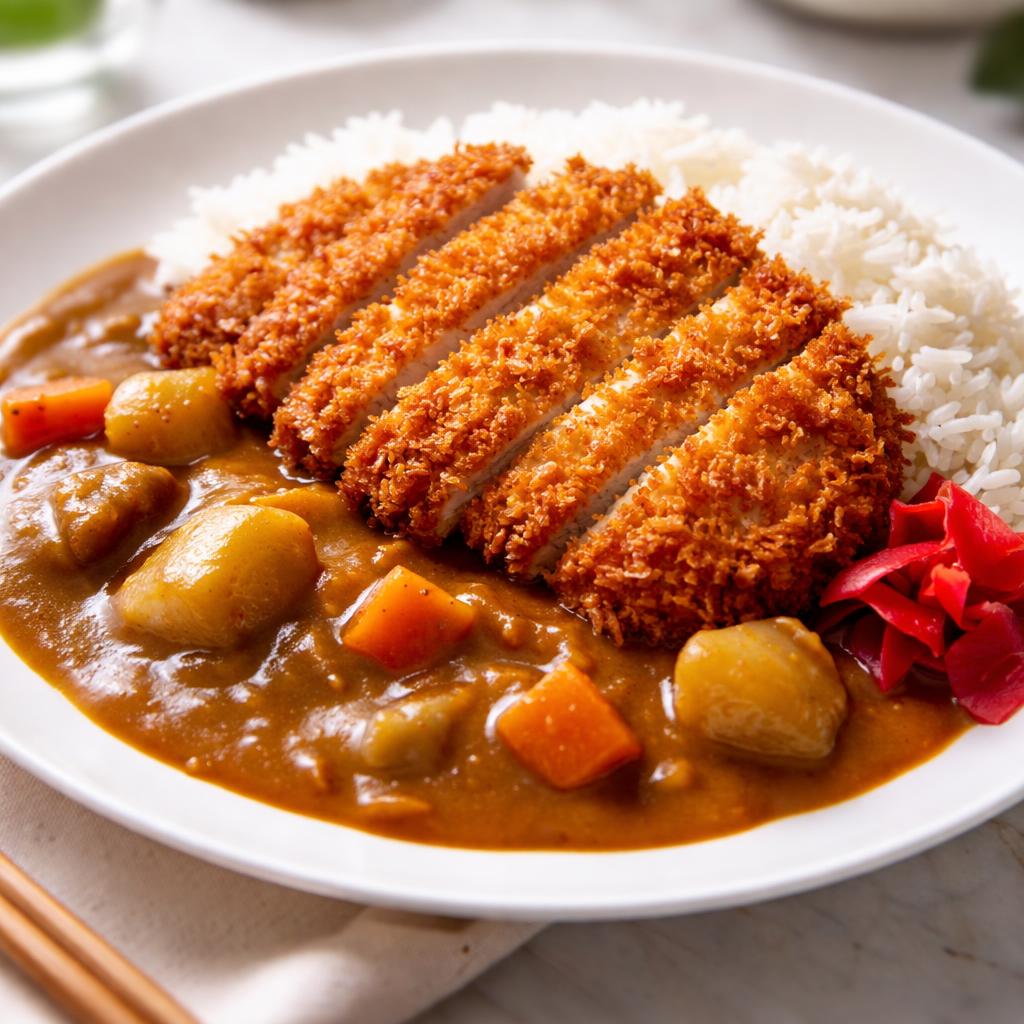
Katsu Curry
🎯 Quick Verdict
Rice is a low-calorie, low-fat carbohydrate staple, best for simple, versatile meals. Katsu curry is calorie-dense due to its fried components and curry sauce but offers significantly higher protein, fiber, and vitamins, making it more nutrient-dense overall. Choose rice for lean, minimalist diets and katsu curry for more indulgent or energy-packed meals.

Smart Nutrition Tracking with SnapCalorie

📊 Nutritional Comparison
Macronutrients
| Nutrient | Food 1 | Food 2 | Winner |
|---|---|---|---|
| Calories | 130 per 100g | 450 per serving (~300g) | ✓ |
| Protein | 2.4g per 100g | 20g per serving | ✓ |
| Carbs | 28g per 100g | 35g per serving | ✓ |
| Fat | 0.3g per 100g | 25g per serving | ✓ |
| Fiber | 0.4g per 100g | 4g per serving | ✓ |
Vitamins & Minerals
| Nutrient | Food 1 | Food 2 | Winner |
|---|---|---|---|
| Vitamin A | 0mcg | 300mcg (15% DV) | ✓ |
| Vitamin C | 0mg | 10mg (11% DV) | ✓ |
| Iron | 0.2mg per 100g | 2mg per serving | ✓ |
🏆 Category Winners
Protein
Katsu curry offers 20g protein per serving compared to rice's minimal 2.4g.
Fiber
Katsu curry contains 4g fiber per serving vs 0.4g in rice.
Calories
Rice is significantly lower in calories—130 vs 450 per standard serving.
Vitamins
Katsu curry is richer in vitamin C, A, and iron, whereas rice contains negligible amounts.
🥗 Diet Compatibility
Keto
Food 1: Not Compatible
Food 2: Not Compatible
Both are high in carbohydrates.
Vegan
Food 1: Compatible
Food 2: Not Compatible
Rice is plant-based while katsu curry typically includes breaded meat.
Gluten Free
Food 1: Compatible
Food 2: Not Compatible
Rice is naturally gluten-free; katsu curry often includes breadcrumbs containing gluten.
Paleo
Food 1: Not Compatible
Food 2: Not Compatible
Both contain processed ingredients like grains and breading.
Low Carb
Food 1: Not Compatible
Food 2: Not Compatible
Rice and katsu curry are both carb-heavy foods.
💪 Health Benefits Comparison
Food 1 Benefits
- Low in fat for heart health
- Provides quick energy via carbohydrates
- Extremely versatile for pairing with nutrient-rich side dishes
Food 2 Benefits
- Rich in protein for muscle growth and maintenance
- High in fiber for digestive health
- Contains key vitamins like A and C for immune support
✅ The Bottom Line
Rice is ideal for lightweight, low-calorie meals, especially when paired with nutrient-rich toppings or sides. Katsu curry should be chosen for indulgent or filling meals, providing higher protein, fats, and nutrient density. While rice caters to simpler dietary needs, katsu curry targets energy and flavor-packed requirements.
Choose Food 1 for: Low-calorie diets, basic meal bases, gluten-free diets
Choose Food 2 for: Nutrient-dense meals, higher protein diets, energy-packed meals


