Rice VS Jerk Chicken
A detailed nutritional comparison
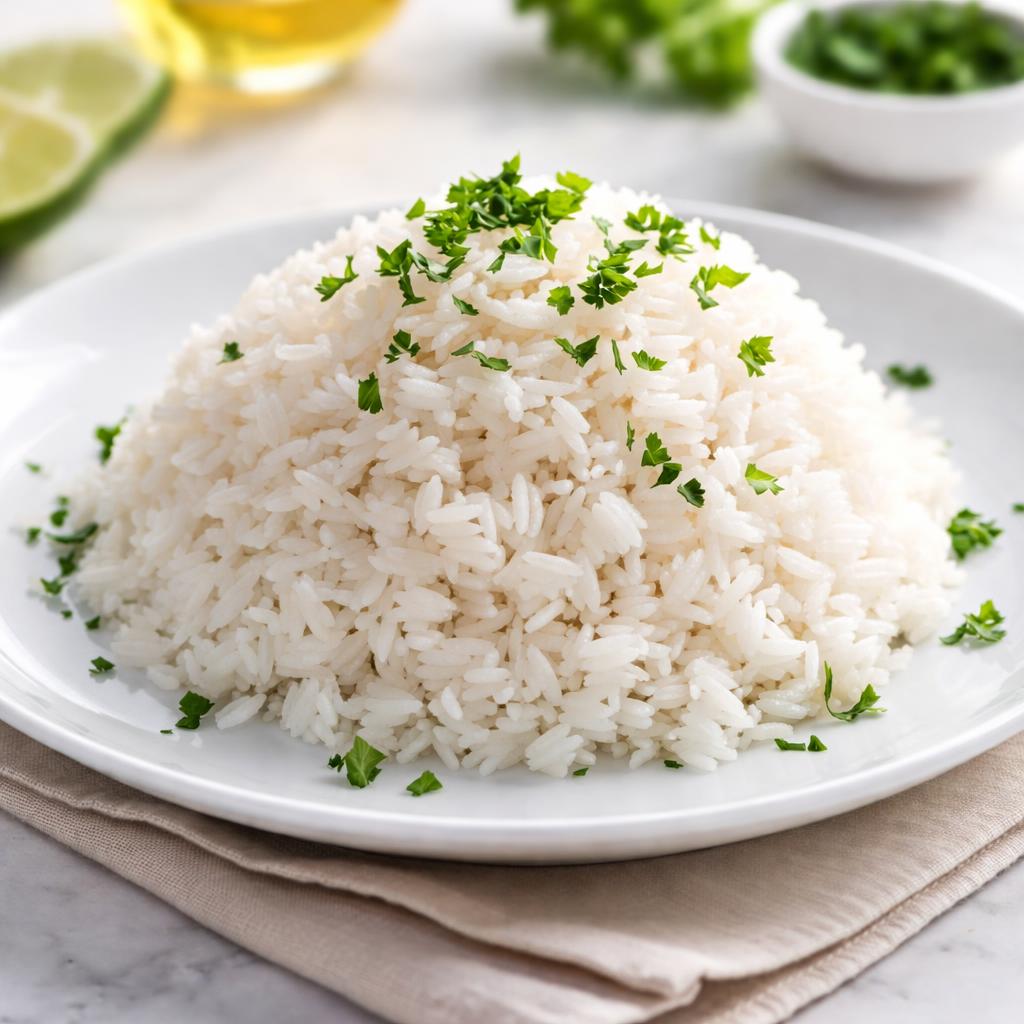
Rice
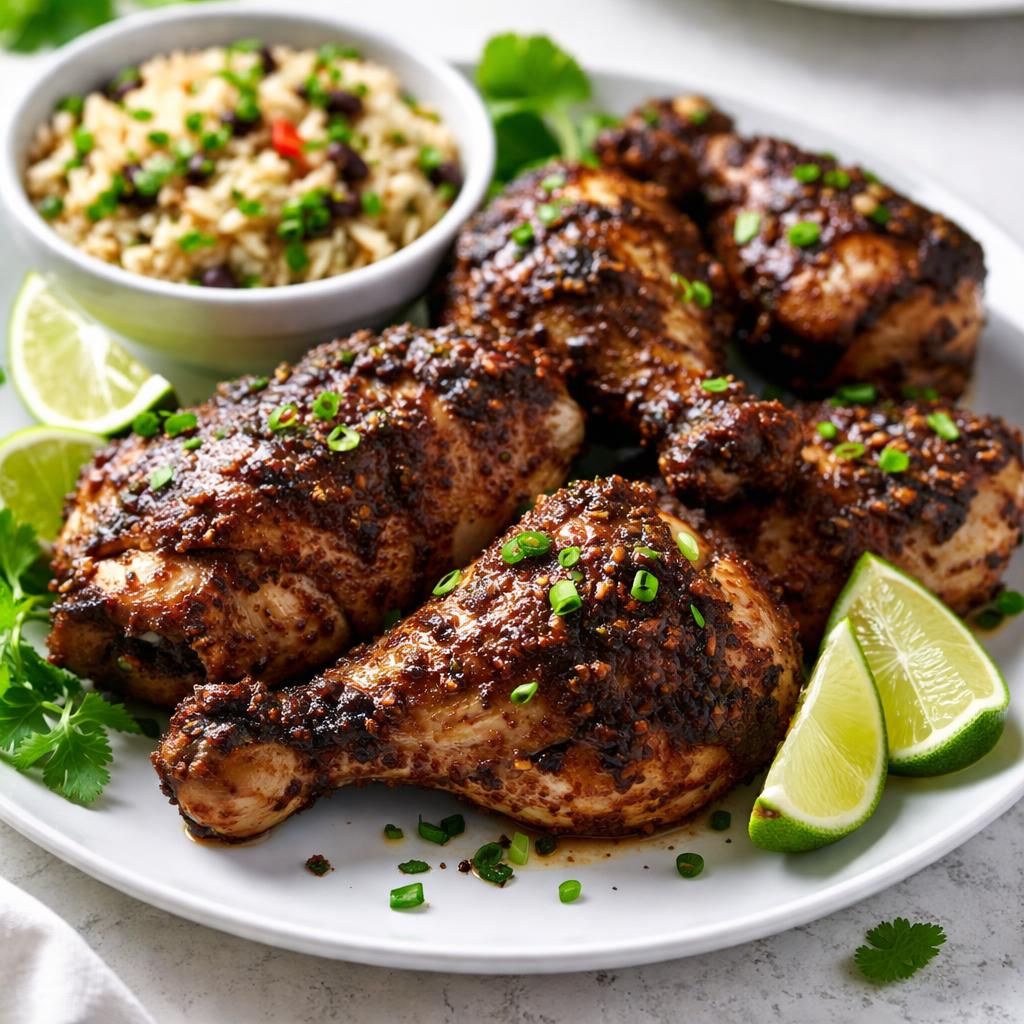
Jerk Chicken
🎯 Quick Verdict
Jerk chicken stands out for its significantly higher protein content, making it ideal for muscle-building and repair, while rice is lower in calories and offers more fiber, suitable for energy moderation and digestive health. Each food delivers unique benefits, depending on dietary goals and needs.

Smart Nutrition Tracking with SnapCalorie

📊 Nutritional Comparison
Macronutrients
| Nutrient | Food 1 | Food 2 | Winner |
|---|---|---|---|
| Calories | 205 per cup (cooked) | 250 per 4 oz (medium serving) | ✓ |
| Protein | 4.2g | 30g | ✓ |
| Carbs | 44.5g | 2g | ✓ |
| Fat | 0.4g | 7g | ✓ |
| Fiber | 0.6g | 0g | ✓ |
Vitamins & Minerals
| Nutrient | Food 1 | Food 2 | Winner |
|---|---|---|---|
| Vitamin D | 0mcg | 1mcg | ✓ |
| Calcium | 9.8mg | 16mg | ✓ |
| Iron | 0.7mg | 0.8mg | ✓ |
| Potassium | 55mg | 240mg | ✓ |
🏆 Category Winners
Protein
Jerk chicken has 7x more protein than rice, making it more suitable for high-protein diets.
Fiber
Rice provides a small amount of fiber, while jerk chicken contains none.
Calories
Rice contains fewer calories per serving compared to jerk chicken.
Vitamins
Jerk chicken contains more essential vitamins and minerals, including Vitamin D, iron, and potassium.
🥗 Diet Compatibility
Keto
Food 1: Not Compatible
Food 2: Compatible
Rice is high in carbs, while jerk chicken is low-carb and fits ketogenic diet goals.
Vegan
Food 1: Compatible
Food 2: Not Compatible
Food1 is plant-based, but jerk chicken is animal-derived.
Gluten Free
Food 1: Compatible
Food 2: Compatible
Neither food contains gluten.
Paleo
Food 1: Not Compatible
Food 2: Compatible
Rice is not considered paleo-friendly, while jerk chicken aligns with the paleo diet.
Low-Carb
Food 1: Not Compatible
Food 2: Compatible
Rice is carb-dense, while jerk chicken is low-carb.
💪 Health Benefits Comparison
Food 1 Benefits
- Provides quick energy from digestible carbohydrates
- Low in fat for heart health
- Offers a small amount of essential vitamins like iron
Food 2 Benefits
- Rich in high-quality protein for muscle repair and growth
- Contains essential minerals like potassium for electrolyte balance
- Includes healthy fats that support overall energy needs
✅ The Bottom Line
Choose jerk chicken for protein-rich meals, muscle maintenance, and low-carb diets. Opt for rice for energy during endurance activities or when needing a carbohydrate-rich meal. Pairing them can balance protein with energy for mixed goals.
Choose Food 1 for: Lower-calorie meals, quick energy, vegan diets
Choose Food 2 for: High-protein diets, keto, paleo, post-workout recovery


