Rice VS Jambalaya
A detailed nutritional comparison
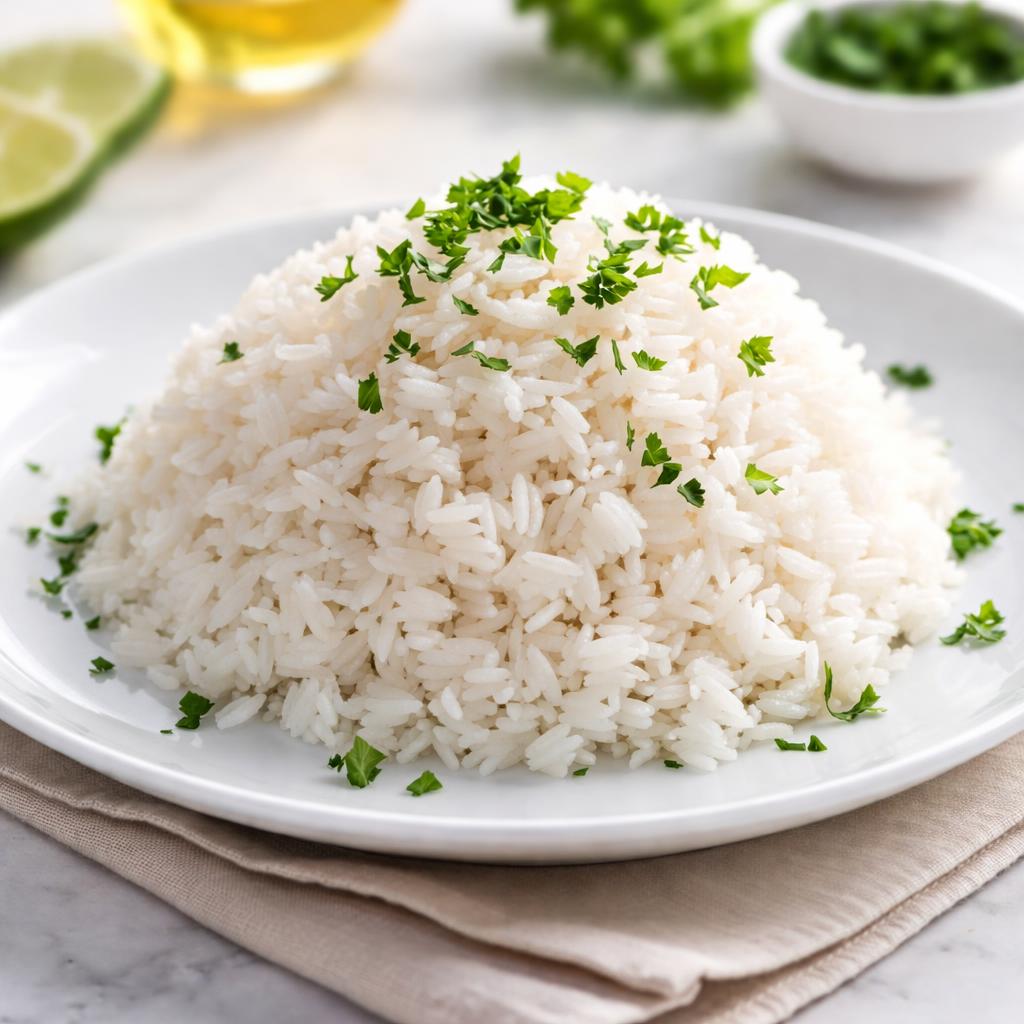
Rice
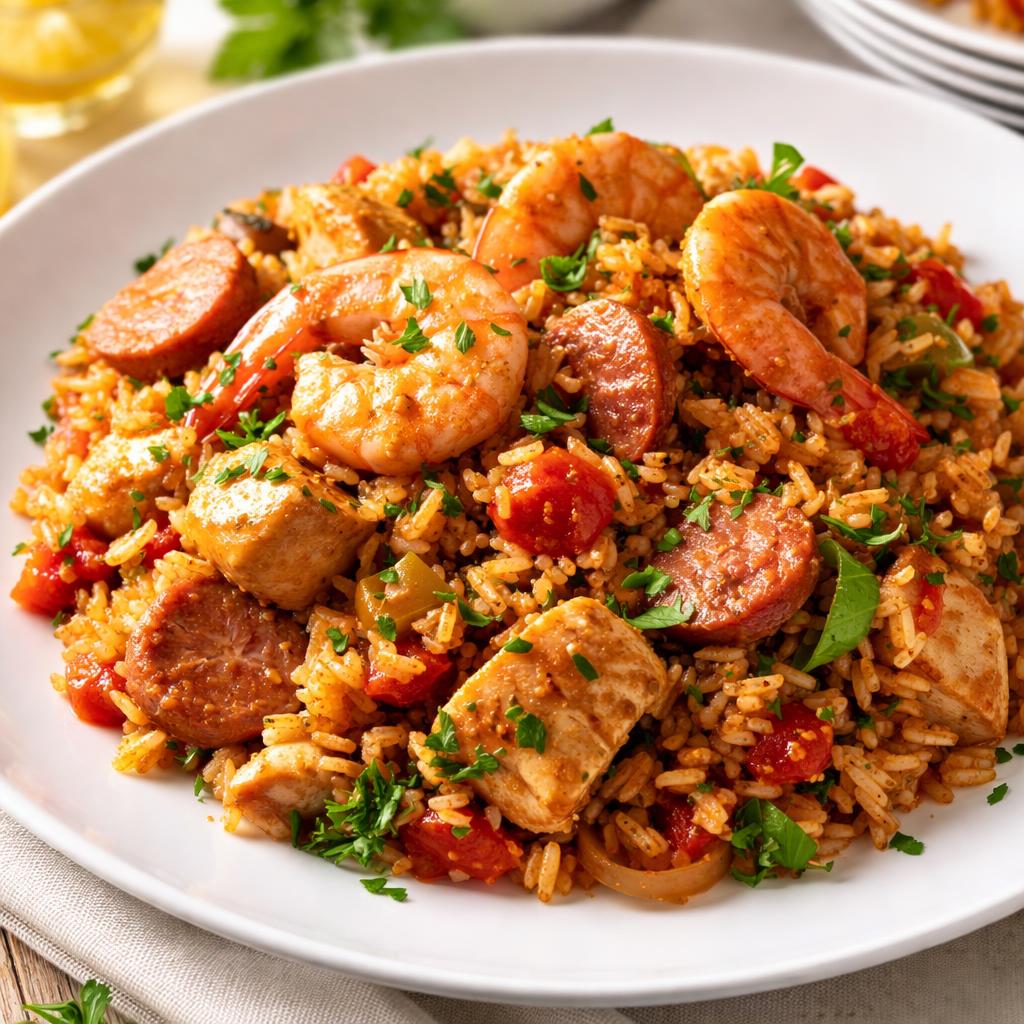
Jambalaya
🎯 Quick Verdict
Rice is a simple grain that provides mainly carbohydrates and lower calories, making it ideal for energy needs on its own. Jambalaya, however, includes a mix of proteins like chicken or sausage, vegetables, and rice, offering a much more nutrient-dense profile with higher protein, fiber, and vitamins. Opt for rice for simplicity and energy; go for jambalaya for a flavorful, nutrient-packed meal.

Smart Nutrition Tracking with SnapCalorie

📊 Nutritional Comparison
Macronutrients
| Nutrient | Food 1 | Food 2 | Winner |
|---|---|---|---|
| Calories | 206 (1 cup cooked white rice) | 393 (1 cup jambalaya) | ✓ |
| Protein | 4g | 15g | ✓ |
| Carbs | 45g | 36g | ✓ |
| Fat | 0.4g | 13g | ✓ |
| Fiber | 0.6g | 3g | ✓ |
Vitamins & Minerals
| Nutrient | Food 1 | Food 2 | Winner |
|---|---|---|---|
| Vitamin A | 0% DV | 15% DV | ✓ |
| Vitamin C | 0% DV | 10% DV | ✓ |
| Iron | 0.2mg (2% DV) | 2mg (11% DV) | ✓ |
🏆 Category Winners
Protein
Jambalaya contains nearly 4x more protein per serving due to its meat and seafood components.
Fiber
Jambalaya contains 5x more fiber due to added vegetables.
Calories
Rice provides almost half the calories of jambalaya, making it lower-calorie overall.
🥗 Diet Compatibility
Keto
Food 1: Not Compatible
Food 2: Not Compatible
Both are high in carbohydrates.
Vegan
Food 1: Compatible
Food 2: Not Compatible
Rice is naturally plant-based, while jambalaya typically includes animal proteins.
Gluten Free
Food 1: Compatible
Food 2: Compatible
Neither contains gluten unless jambalaya is made with gluten-containing additives.
Paleo
Food 1: Not Compatible
Food 2: Partially Compatible
Jambalaya can be adapted to paleo, but rice itself is excluded from the paleo diet.
Low-Carb
Food 1: Not Compatible
Food 2: Not Compatible
Both foods are relatively high in carbohydrates.
💪 Health Benefits Comparison
Food 1 Benefits
- Easily digestible source of energy
- Versatile base for meals
- Low fat and cholesterol-free
Food 2 Benefits
- High in protein for muscle repair and maintenance
- Good source of vitamins from vegetables
- Rich in healthy fats from meat and seafood
✅ The Bottom Line
Choose rice if you need a simple, low-calorie energy source or require a neutral base for meals. Choose jambalaya if you want a hearty, nutrient-rich meal with higher protein, fiber, and vitamins that can serve as a complete dish on its own.
Choose Food 1 for: Simple meals, low-calorie diets, energy needs
Choose Food 2 for: Muscle recovery, nutrient-dense meals, satisfying one-dish options


