Rice VS Jaggery
A detailed nutritional comparison
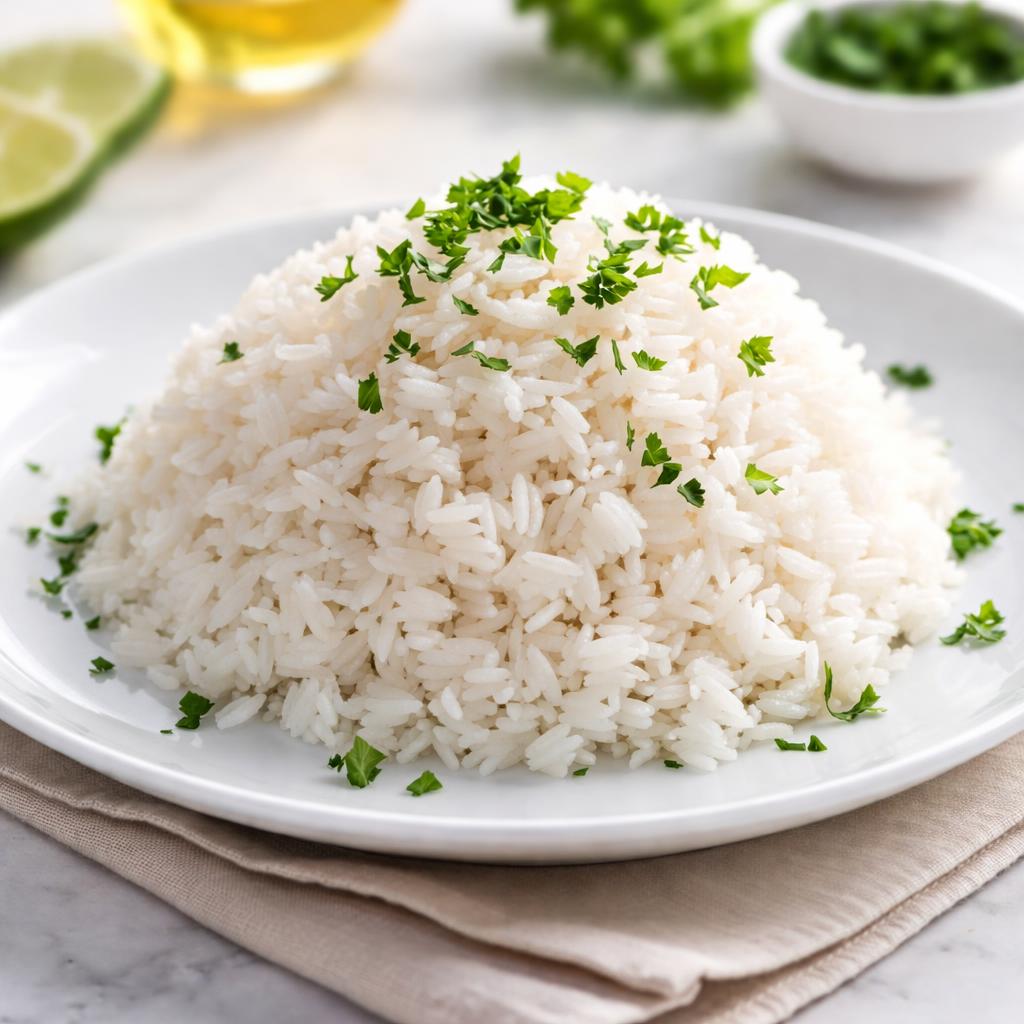
Rice
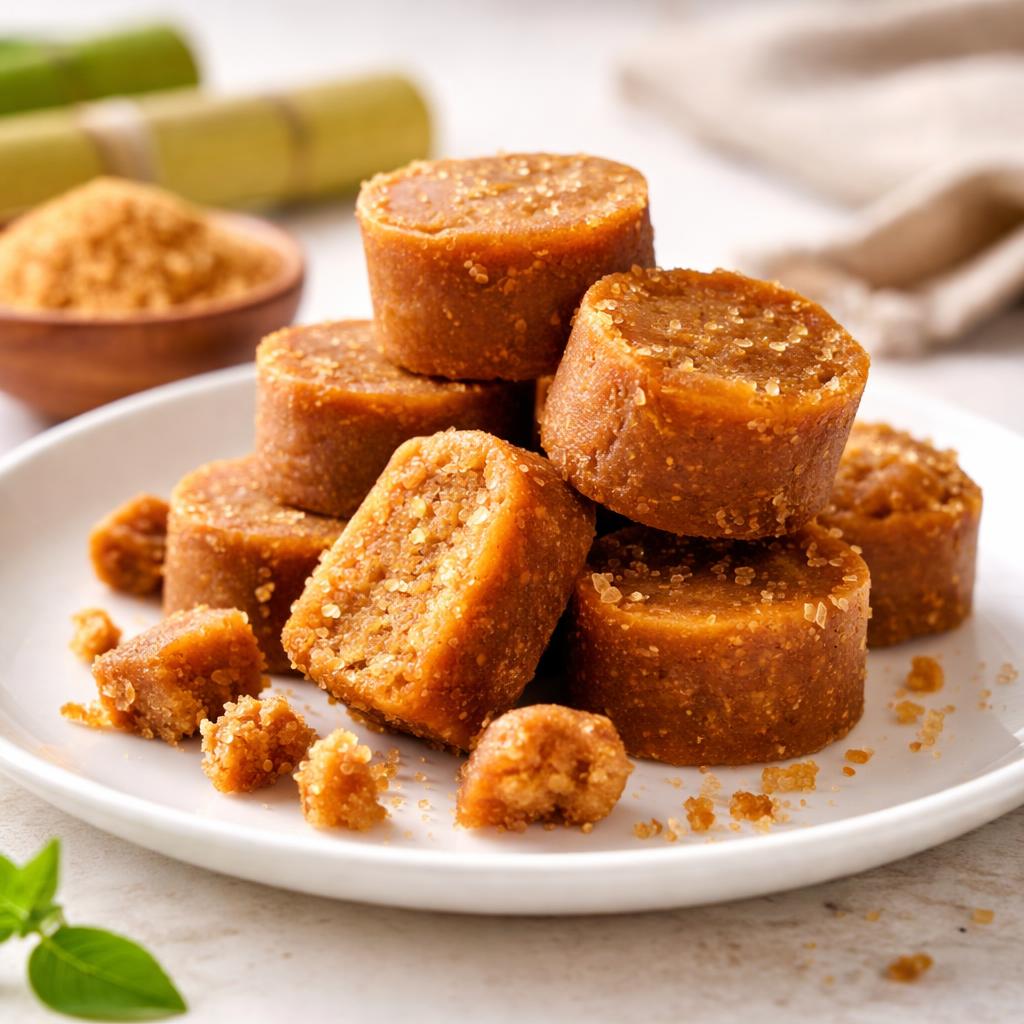
Jaggery
🎯 Quick Verdict
Rice is a staple grain rich in carbs and lower in calories, whereas jaggery is a natural sweetener with more minerals but higher caloric density. Rice is better suited for balanced meals, while jaggery is best used as a minimally processed sugar replacement for occasional sweetness.

Smart Nutrition Tracking with SnapCalorie

📊 Nutritional Comparison
Macronutrients
| Nutrient | Food 1 | Food 2 | Winner |
|---|---|---|---|
| Calories | 130 (per 100g cooked) | 380 (per 100g) | ✓ |
| Protein | 2.7g (per 100g cooked) | 0.4g (per 100g) | ✓ |
| Carbs | 28g (per 100g cooked) | 98g (per 100g) | ✓ |
| Fat | 0.3g (per 100g cooked) | 0.1g (per 100g) | ✓ |
| Fiber | 0.4g (per 100g cooked) | 0.5g (per 100g) | − |
Vitamins & Minerals
| Nutrient | Food 1 | Food 2 | Winner |
|---|---|---|---|
| Vitamin B1 (Thiamin) | 0.02mg | 0.018mg | ✓ |
| Calcium | 10mg | 40mg | ✓ |
| Iron | 0.7mg | 11mg | ✓ |
| Potassium | 35mg | 100mg | ✓ |
🏆 Category Winners
Protein
Rice provides significantly higher protein per serving compared to jaggery.
Fiber
Both foods contain similar amounts of fiber.
Calories
Cooked rice has far fewer calories per serving compared to jaggery.
Vitamins
Jaggery shines in micronutrients, offering more calcium and iron.
🥗 Diet Compatibility
Keto
Food 1: Not Compatible
Food 2: Not Compatible
Both foods are high in carbs.
Vegan
Food 1: Compatible
Food 2: Compatible
Both are plant-based foods.
Gluten Free
Food 1: Compatible
Food 2: Compatible
Neither contains gluten.
Paleo
Food 1: Not Compatible
Food 2: Compatible
Jaggery is allowed in the paleo diet; rice is typically excluded.
Low Carb
Food 1: Not Compatible
Food 2: Not Compatible
Both foods are carb-dense and not suitable for low-carb diets.
💪 Health Benefits Comparison
Food 1 Benefits
- Provides sustained energy through complex carbohydrates
- Easy to digest and ideal for sensitive stomachs
- Low in fat and versatile for various culinary uses
Food 2 Benefits
- Rich in iron to support red blood cell production
- Contains antioxidants to combat free radicals
- Serves as a natural sugar replacement, minimizing refined sugar intake
✅ The Bottom Line
Rice is an excellent choice for staple meals and energy-sustaining diets. Jaggery is best used sparingly as a nutritious, unrefined sweetener to complement desserts or beverages. The decision ultimately depends on your dietary goals and use cases.
Choose Food 1 for: Staple meals, energy-rich diets, easy digestion
Choose Food 2 for: Sweetening beverages and desserts, mineral boost, reducing refined sugar


