Rice VS Injera
A detailed nutritional comparison
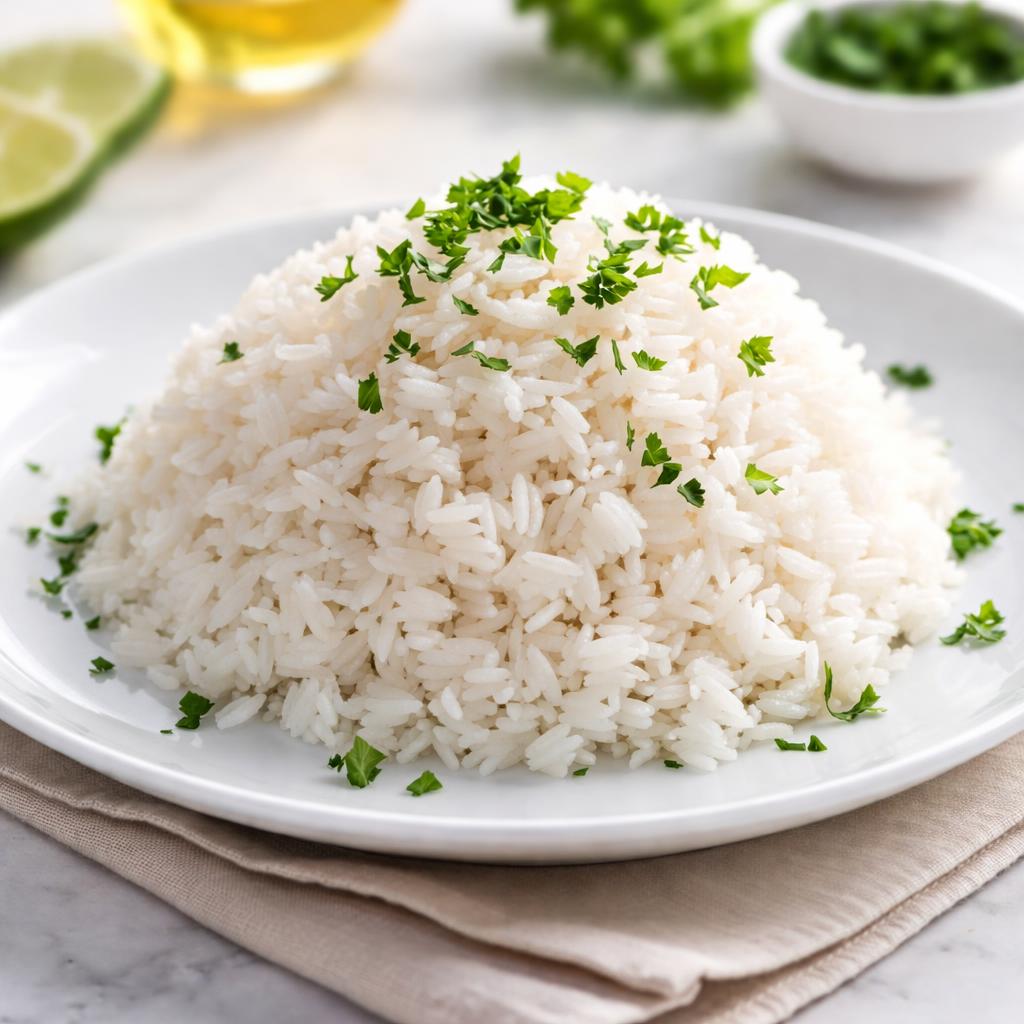
Rice
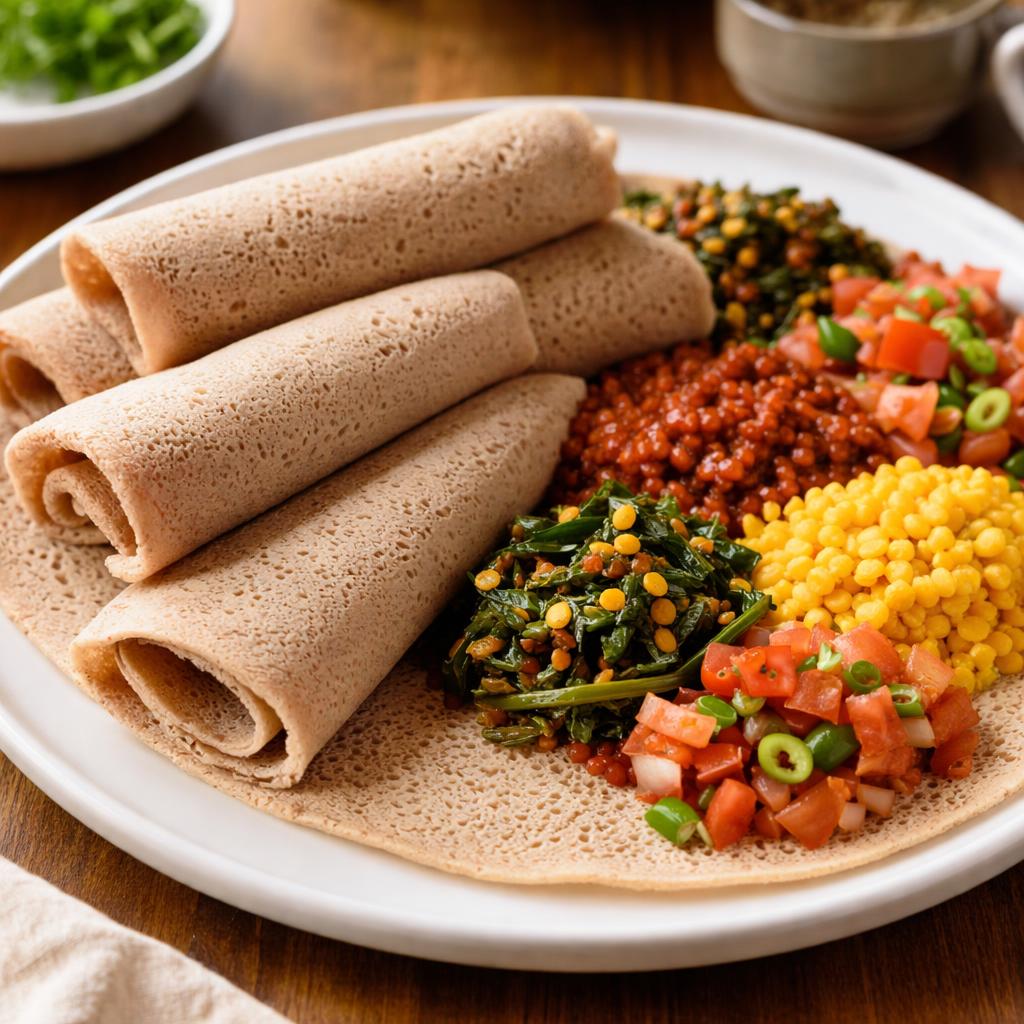
Injera
🎯 Quick Verdict
Injera, a traditional Ethiopian flatbread made from teff flour, is slightly more nutrient-dense than white rice. It contains more protein and fiber, making it ideal for digestive health and longer-lasting energy. While rice has fewer calories per serving, both are versatile carbohydrate staples that fit into a variety of diets depending on individual needs.

Smart Nutrition Tracking with SnapCalorie

📊 Nutritional Comparison
Macronutrients
| Nutrient | Food 1 | Food 2 | Winner |
|---|---|---|---|
| Calories | 200 per cup (cooked) | 200 per serving (1 medium injera) | − |
| Protein | 4g per cup | 5g per serving | − |
| Carbs | 45g per cup | 36g per serving | − |
| Fat | 0.5g per cup | 1g per serving | − |
| Fiber | 0.6g per cup | 3-4g per serving | − |
Vitamins & Minerals
| Nutrient | Food 1 | Food 2 | Winner |
|---|---|---|---|
| Vitamin B1 (Thiamine) | 0.2mg per cup | 0.3mg per serving | − |
| Iron | 0.6mg per cup | 2mg per serving | − |
| Calcium | 10mg per cup | 80mg per serving | − |
🏆 Category Winners
Protein
Injera has 25% more protein per serving compared to rice.
Fiber
Injera provides up to 6 times more fiber than rice per serving.
Calories
Both contain roughly 200 calories per serving.
Vitamins
Injera is richer in iron, calcium, and B vitamins compared to rice.
🥗 Diet Compatibility
Keto
Food 1: Not Compatible
Food 2: Not Compatible
Both foods are high in carbs and unsuitable for keto diets.
Vegan
Food 1: Compatible
Food 2: Compatible
Both foods are plant-based and vegan-friendly.
Gluten Free
Food 1: Compatible
Food 2: Compatible if made with 100% teff flour
Rice is naturally gluten-free, and injera made entirely with teff is gluten-free.
Paleo
Food 1: Not Compatible
Food 2: Compatible
While rice is not considered paleo, traditional injera made with teff flour fits within paleo guidelines.
Low-Carb
Food 1: Not Compatible
Food 2: Not Compatible
Both foods are high-carb, with injera being slightly lower than rice.
💪 Health Benefits Comparison
Food 1 Benefits
- Provides fast-digesting energy
- Low in fat
- Naturally gluten-free for those with sensitivities
Food 2 Benefits
- Rich in fiber for enhanced digestion
- Higher in protein for muscle repair and sustenance
- Contains essential minerals like calcium and iron for bone and blood health
- Made from teff, a whole grain linked with lower blood sugar levels
✅ The Bottom Line
Both rice and injera are excellent carbohydrate sources. Choose rice for simple, fast-digesting energy or meals requiring a neutral flavor. Opt for injera if you want more fiber, protein, and minerals, especially for sustained energy or digestive benefits.
Choose Food 1 for: Quick energy, pairing with mild-flavored dishes, easy digestion
Choose Food 2 for: Digestive health, nutrient-rich meals, pairing with spicy or complex dishes


