Rice VS Ice
A detailed nutritional comparison
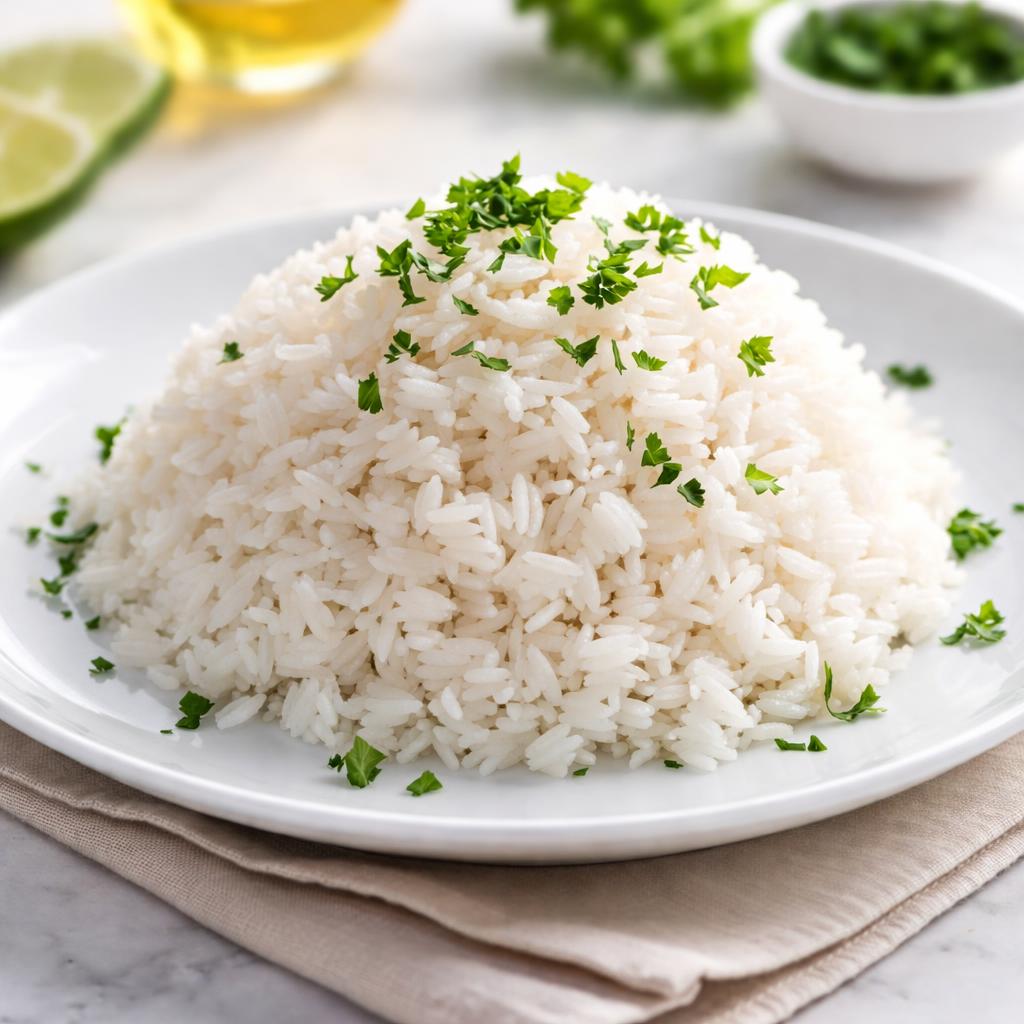
Rice
Ice
🎯 Quick Verdict
Rice is a highly versatile carbohydrate source, offering protein, fiber, and energy, making it ideal for active individuals or meal prepping. Ice, on the other hand, contains zero calories and no nutrients, serving mainly as hydration and a cooling element. For nutrition, rice is the clear winner, while ice can complement hydration needs during hot conditions.

Smart Nutrition Tracking with SnapCalorie

📊 Nutritional Comparison
Macronutrients
| Nutrient | Food 1 | Food 2 | Winner |
|---|---|---|---|
| Calories | 206 (per 1 cup cooked) | 0 | ✓ |
| Protein | 4.3g (per 1 cup cooked) | 0g | ✓ |
| Carbs | 44.5g (per 1 cup cooked) | 0g | ✓ |
| Fat | 0.4g (per 1 cup cooked) | 0g | ✓ |
| Fiber | 0.6g (per 1 cup cooked) | 0g | ✓ |
Vitamins & Minerals
| Nutrient | Food 1 | Food 2 | Winner |
|---|---|---|---|
| Vitamin D | 0mcg | 0mcg | − |
| Calcium | 20mg | 0mg | ✓ |
| Iron | 1.9mg (per 1 cup cooked) | 0mg | ✓ |
🏆 Category Winners
Protein
Rice contains 4.3g of protein per cup, while ice has none.
Fiber
Rice provides 0.6g of fiber per serving, while ice has none.
Calories
Ice is calorie-free, compared to rice's 206 calories per cup.
🥗 Diet Compatibility
Keto
Food 1: Not Compatible
Food 2: Compatible
Ice contains no carbs, whereas rice is high in carbs (44.5g per cup).
Vegan
Food 1: Compatible
Food 2: Compatible
Both are plant-based and contain no animal products.
Gluten Free
Food 1: Compatible
Food 2: Compatible
Neither food contains gluten.
Paleo
Food 1: Compatible
Food 2: Compatible
Rice is a whole food and ice poses no compatibility issues.
Low-Carb
Food 1: Not Compatible
Food 2: Compatible
Rice is a high-carb food, while ice contains no carbs.
💪 Health Benefits Comparison
Food 1 Benefits
- Provides energy through carbohydrates, ideal for physical activity
- Contains small amounts of protein for muscle maintenance
- Offers trace minerals like iron for oxygen transport
Food 2 Benefits
- Helps with hydration, especially in hot climates
- Provides a cooling effect for heat relief
- Can assist in reducing calories intake if substituted for snacks
✅ The Bottom Line
Choose rice when you need a versatile energy source with nutrients like protein and iron, making it ideal for active lifestyles or meal plans. Use ice as a hydration aid or for calorie-free cooling without nutritional value.
Choose Food 1 for: Energy boost, active lifestyles, meal prepping
Choose Food 2 for: Hydration, hot weather, calorie-free beverages


