Rice VS Hardboiled Egg
A detailed nutritional comparison
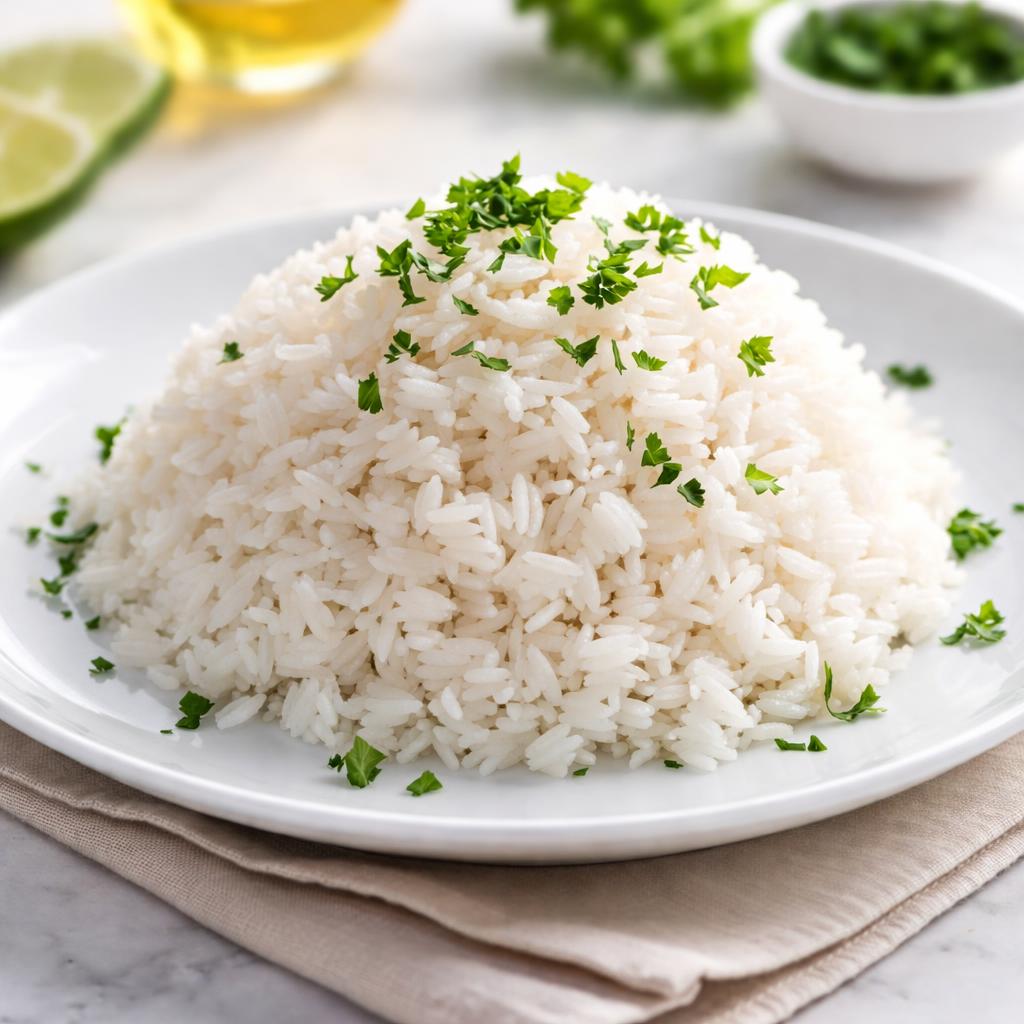
Rice
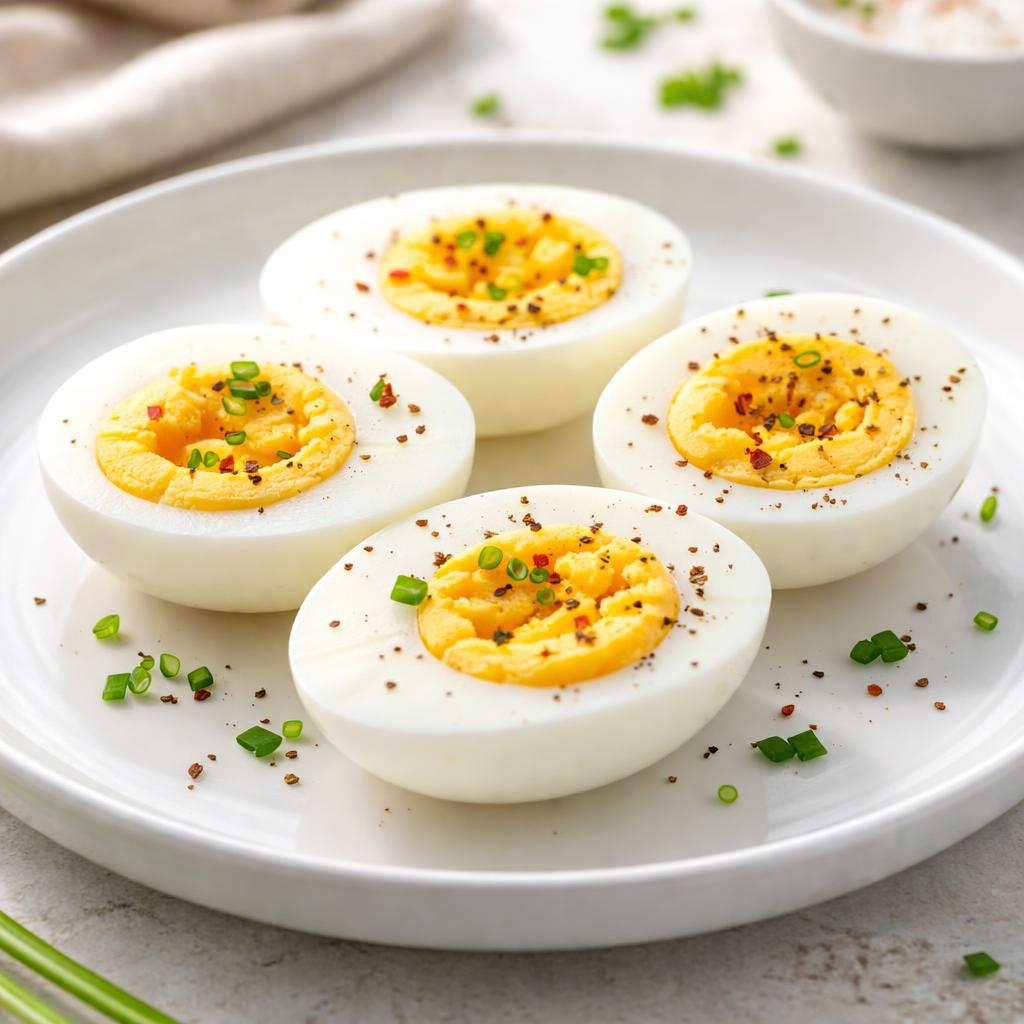
Hardboiled Egg
🎯 Quick Verdict
Hardboiled eggs are significantly higher in protein, lower in calories, and rich in essential vitamins like vitamin D and choline, making them ideal for muscle-building and keto diets. Rice, on the other hand, provides more fiber and carbohydrates, making it great for quick energy and fueling activities like endurance sports or high-intensity workouts.

Smart Nutrition Tracking with SnapCalorie

📊 Nutritional Comparison
Macronutrients
| Nutrient | Food 1 | Food 2 | Winner |
|---|---|---|---|
| Calories | 130 (1 cup cooked) | 78 (1 large egg) | ✓ |
| Protein | 2.7g | 6.3g | ✓ |
| Carbs | 28.2g | 0.6g | ✓ |
| Fat | 0.3g | 5.3g | ✓ |
| Fiber | 0.6g | 0g | ✓ |
Vitamins & Minerals
| Nutrient | Food 1 | Food 2 | Winner |
|---|---|---|---|
| Vitamin D | 0mcg | 1.1mcg | ✓ |
| Calcium | 15mg | 25mg | ✓ |
| Iron | 0.2mg | 0.9mg | ✓ |
🏆 Category Winners
Protein
Hardboiled eggs contain over twice the protein (6.3g) compared to rice (2.7g).
Fiber
Rice offers 0.6g of fiber per serving, while eggs contain none.
Calories
Hardboiled eggs are lower in calories (78 vs 130 per serving).
Vitamins
Eggs are richer in key vitamins such as vitamin D and iron.
🥗 Diet Compatibility
Keto
Food 1: Not Compatible
Food 2: Compatible
Eggs are low-carb and rich in fat, perfect for keto, while rice is carb-heavy.
Vegan
Food 1: Compatible
Food 2: Not Compatible
Rice is plant-based, but eggs are animal-derived.
Gluten Free
Food 1: Compatible
Food 2: Compatible
Both foods are naturally gluten-free.
Paleo
Food 1: Not Compatible
Food 2: Compatible
Eggs fit into the paleo diet, whereas rice does not.
Low Carb
Food 1: Not Compatible
Food 2: Compatible
Rice is high in carbohydrates (28.2g per serving) compared to eggs (0.6g per serving).
💪 Health Benefits Comparison
Food 1 Benefits
- Good source of quick energy due to carbohydrates
- Contains small amounts of fiber for digestion
- Naturally gluten-free, suitable for those with gluten sensitivity
Food 2 Benefits
- High in protein for muscle building and recovery
- Rich in vitamin D for bone health and immune support
- Contains choline, important for brain function and metabolism
- Provides healthy fats for satiety and heart health
✅ The Bottom Line
Choose hardboiled eggs for high-protein and low-calorie diets such as keto, paleo, or post-workout recovery. opt for rice when you need quick energy from carbohydrates or are following vegan or gluten-free diets.
Choose Food 1 for: Quick energy, vegan diets, gluten-free carbohydrate source
Choose Food 2 for: Muscle building, weight loss, low-carb and paleo diets


