Rice VS Half And Half
A detailed nutritional comparison
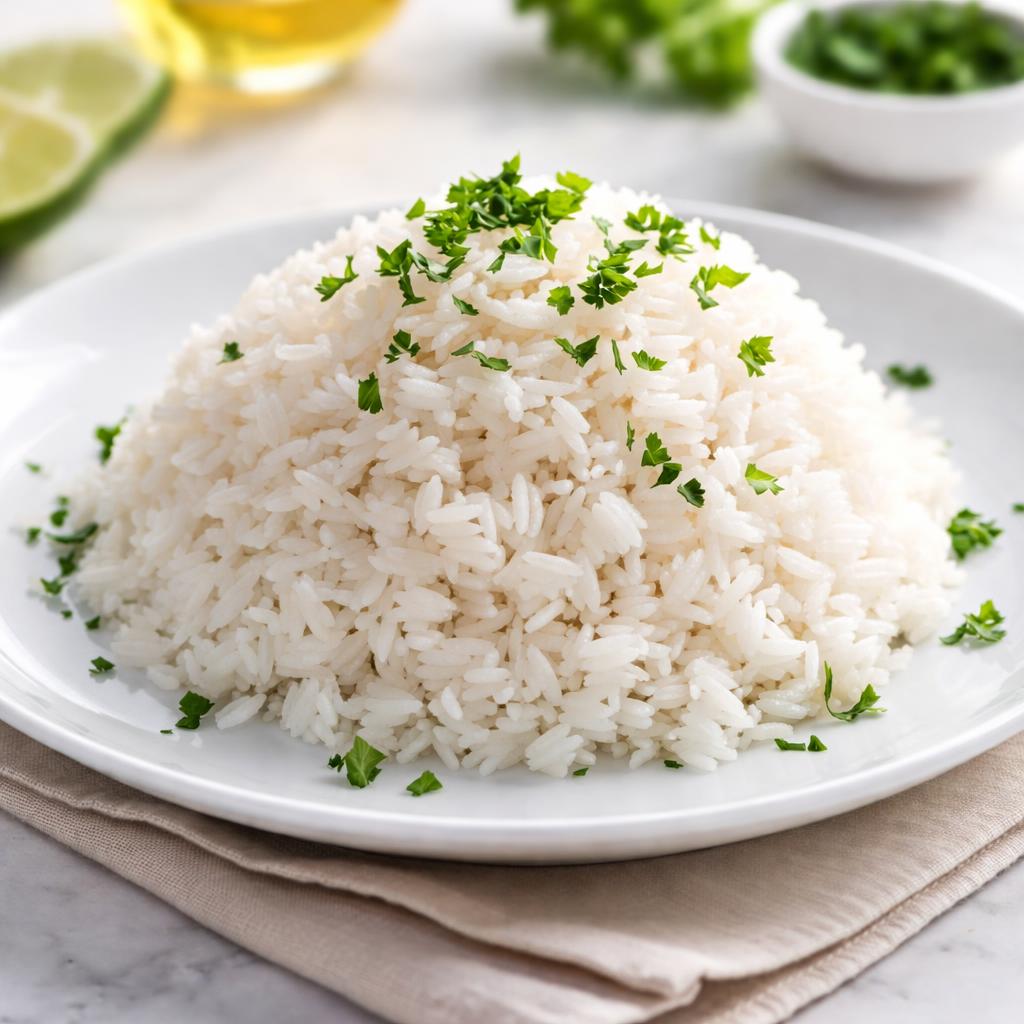
Rice
Half And Half
🎯 Quick Verdict
Rice is a versatile carbohydrate source with lower calories and higher fiber, ideal for energy and digestive health. Half and half contains more protein and fats but is significantly higher in calories, making it suitable for diets focused on healthy fats or cream-based cooking. Choose rice for moderate energy and digestive benefits, and half and half for rich texture and fat content in recipes.

Smart Nutrition Tracking with SnapCalorie

📊 Nutritional Comparison
Macronutrients
| Nutrient | Food 1 | Food 2 | Winner |
|---|---|---|---|
| Calories | 130 (per 1 cup cooked) | 320 (per 1 cup) | ✓ |
| Protein | 2.6g | 8g | ✓ |
| Carbs | 28g | 4g | ✓ |
| Fat | 0.3g | 28g | ✓ |
| Fiber | 0.9g | 0g | ✓ |
Vitamins & Minerals
| Nutrient | Food 1 | Food 2 | Winner |
|---|---|---|---|
| Vitamin D | 0mcg | 2mcg | ✓ |
| Calcium | 10mg | 260mg | ✓ |
| Iron | 0.2mg | 0mg | ✓ |
🏆 Category Winners
Protein
Half and half provides over 3 times more protein than rice.
Fiber
Rice contains nearly 1g of fiber, while half and half has none.
Calories
Rice has almost 60% fewer calories than half and half per serving.
🥗 Diet Compatibility
Keto
Food 1: Not Compatible
Food 2: Compatible
Half and half aligns with keto due to low carbs and high fat content.
Vegan
Food 1: Compatible
Food 2: Not Compatible
Rice is plant-based, while half and half contains dairy.
Gluten Free
Food 1: Compatible
Food 2: Compatible
Neither contains gluten.
Paleo
Food 1: Not Compatible
Food 2: Not Compatible
Rice is a processed grain, and half and half is a processed dairy product.
Low Carb
Food 1: Not Compatible
Food 2: Compatible
Half and half has only 4g of carbs, while rice is carbohydrate-heavy.
💪 Health Benefits Comparison
Food 1 Benefits
- Provides sustained energy due to complex carbohydrates
- Contains fiber for digestive health
- Low fat for weight management
Food 2 Benefits
- Rich in healthy fats to support heart and brain health
- Provides calcium for strong bones
- Contains vitamin D for immune and bone support
✅ The Bottom Line
Choose rice if you're seeking a low-calorie, fiber-rich food to complement meals or fuel workouts. Half and half shines in creamy recipes and high-fat diets, though its high calorie content requires moderation for weight control.
Choose Food 1 for: Weight-centric diets, energy needs, versatile meal bases
Choose Food 2 for: Keto diets, cream-based recipes, increased caloric intake


