Rice VS Green Olives
A detailed nutritional comparison
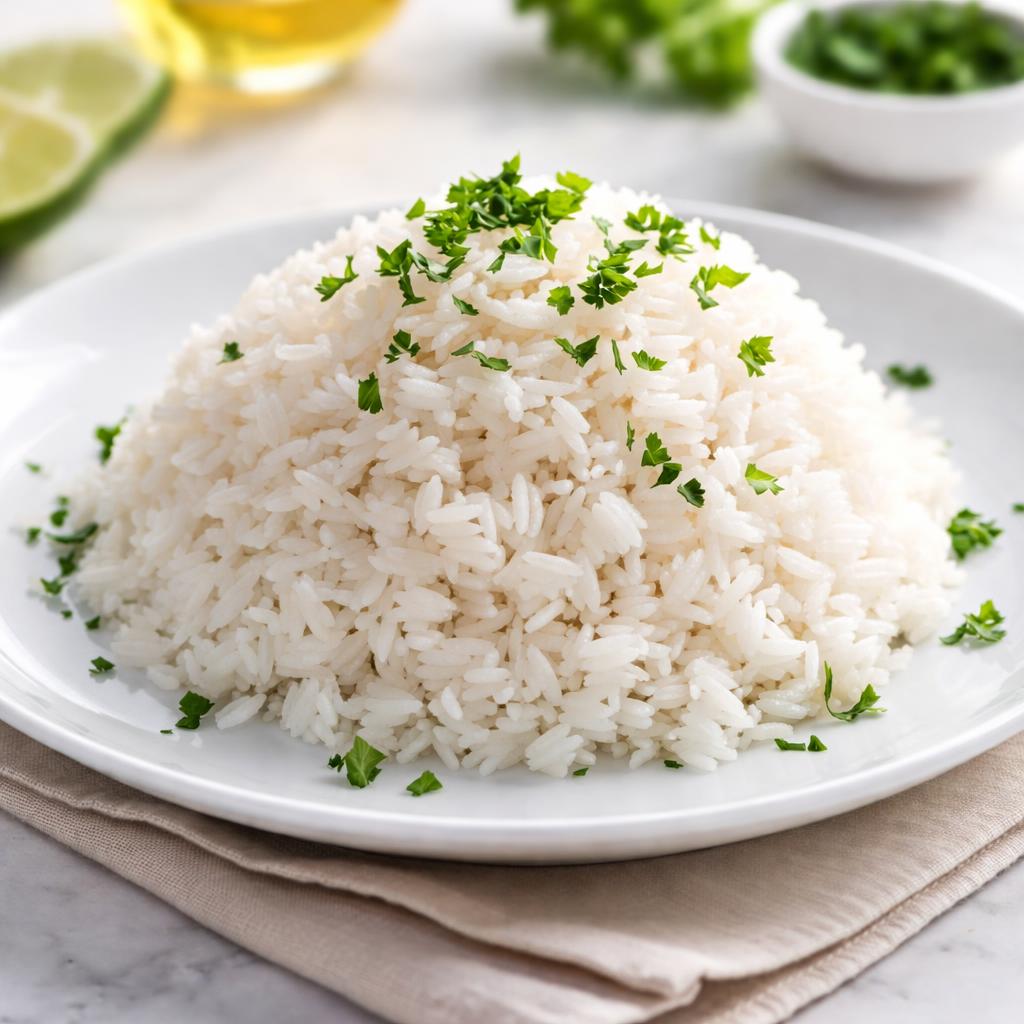
Rice
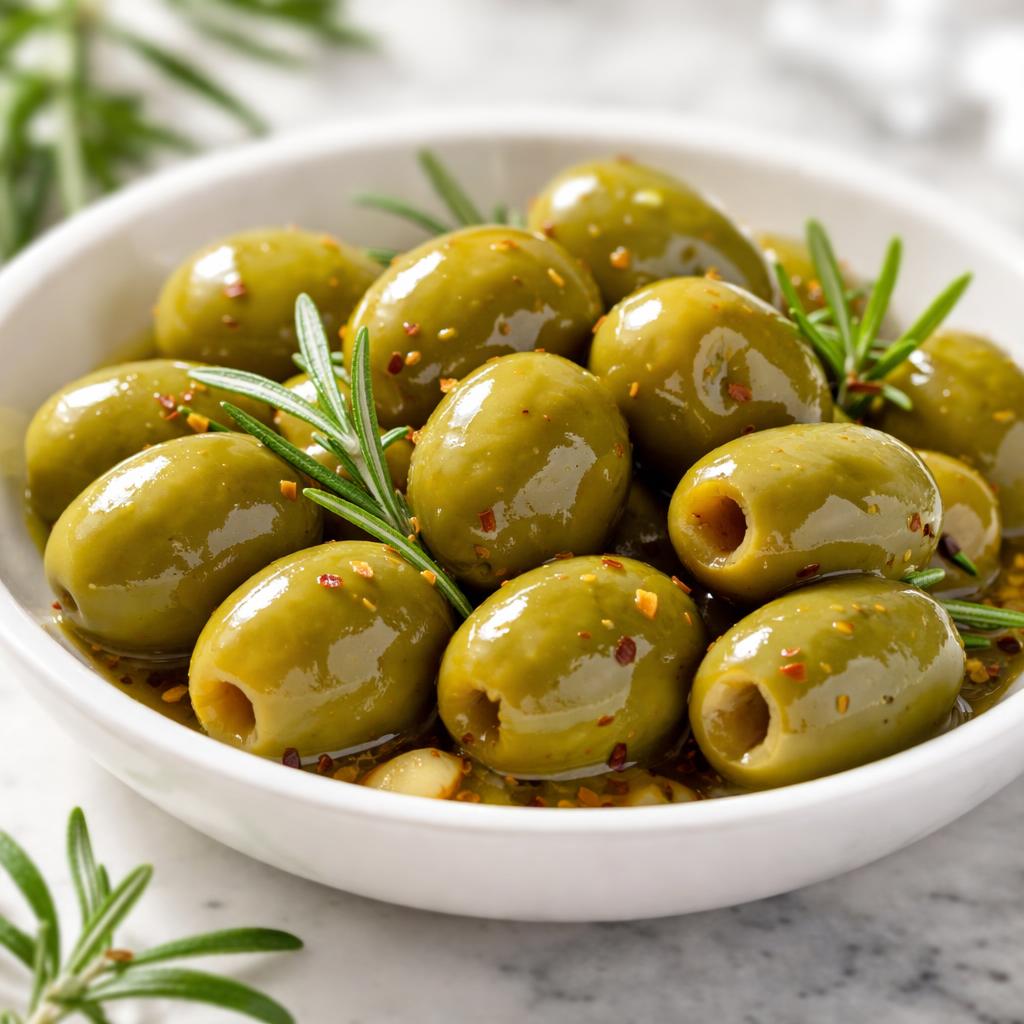
Green Olives
🎯 Quick Verdict
Rice and green olives offer very different nutritional profiles. Rice is a good source of energy due to its higher carbohydrate content and is ideal for fueling athletic performance or pairing with protein-rich meals. Green olives stand out for their healthy fats, lower calorie count, and higher fiber content, making them a great choice for heart health and digestion support.

Smart Nutrition Tracking with SnapCalorie

📊 Nutritional Comparison
Macronutrients
| Nutrient | Food 1 | Food 2 | Winner |
|---|---|---|---|
| Calories | 130 calories (per 100g cooked) | 115 calories (per 100g) | ✓ |
| Protein | 2.4g | 1g | ✓ |
| Carbs | 28.7g | 6g | ✓ |
| Fat | 0.3g | 10.7g | ✓ |
| Fiber | 0.4g | 3g | ✓ |
Vitamins & Minerals
| Nutrient | Food 1 | Food 2 | Winner |
|---|---|---|---|
| Vitamin E | 0mg | 3.8mg | ✓ |
| Vitamin K | 0.1mcg | 1.4mcg | ✓ |
| Sodium | 1mg | 735mg | ✓ |
| Iron | 0.2mg | 3.3mg | ✓ |
🏆 Category Winners
Protein
Rice has more protein, though the absolute value is still low.
Fiber
Green olives provide significantly more fiber (3g vs 0.4g per serving).
Calories
Green olives are slightly lower in calories per 100g than cooked rice.
🥗 Diet Compatibility
Keto
Food 1: Not Compatible
Food 2: Compatible
Green olives are high-fat and low-carb, suitable for keto diets.
Vegan
Food 1: Compatible
Food 2: Compatible
Both rice and green olives are plant-based.
Gluten Free
Food 1: Compatible
Food 2: Compatible
Neither food contains gluten inherently.
Paleo
Food 1: Not Compatible
Food 2: Compatible
Rice is excluded on strict paleo diets, while olives are generally accepted.
Low Carb
Food 1: Not Compatible
Food 2: Compatible
Rice is high in carbs (28.7g per 100g), whereas green olives are low-carb (6g).
💪 Health Benefits Comparison
Food 1 Benefits
- Provides a quick source of energy due to its high carbohydrate content.
- Low in fat, making it suitable for low-fat diets.
- Naturally gluten-free, ideal for those with gluten intolerance or celiac disease.
Food 2 Benefits
- Rich in monounsaturated fats that support heart health.
- High fiber content for aiding digestion and promoting a feeling of fullness.
- Contains Vitamin E, which supports skin health and acts as an antioxidant.
✅ The Bottom Line
Choose rice when you need an energy-dense carb source to fuel physical activity or complement a protein-heavy dish. Opt for green olives as a high-fiber, low-carb, and heart-healthy snack or salad addition, especially for keto or paleo diets.
Choose Food 1 for: Athletes, energy boosting meals, gluten-free grain alternative
Choose Food 2 for: Snacking, keto or paleo diets, heart health


