Rice VS Green Leaf Lettuce
A detailed nutritional comparison
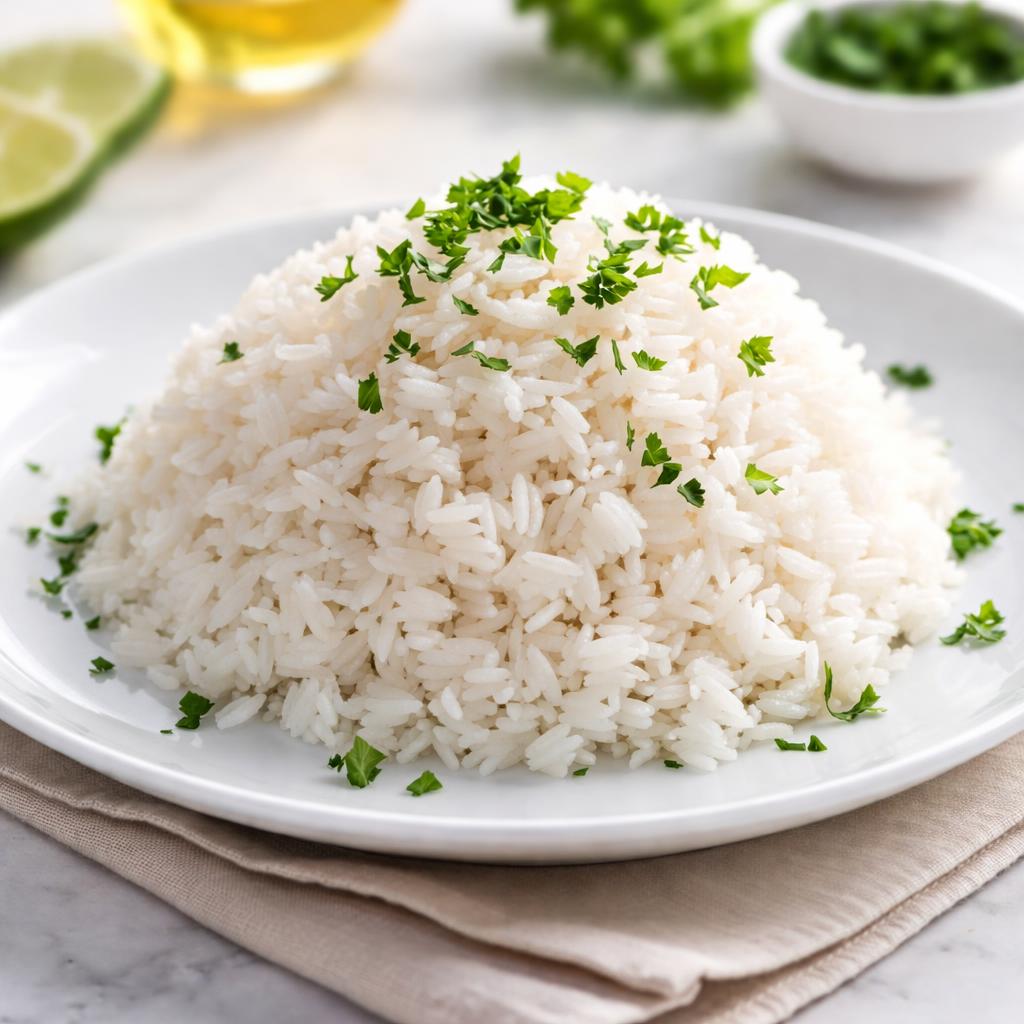
Rice
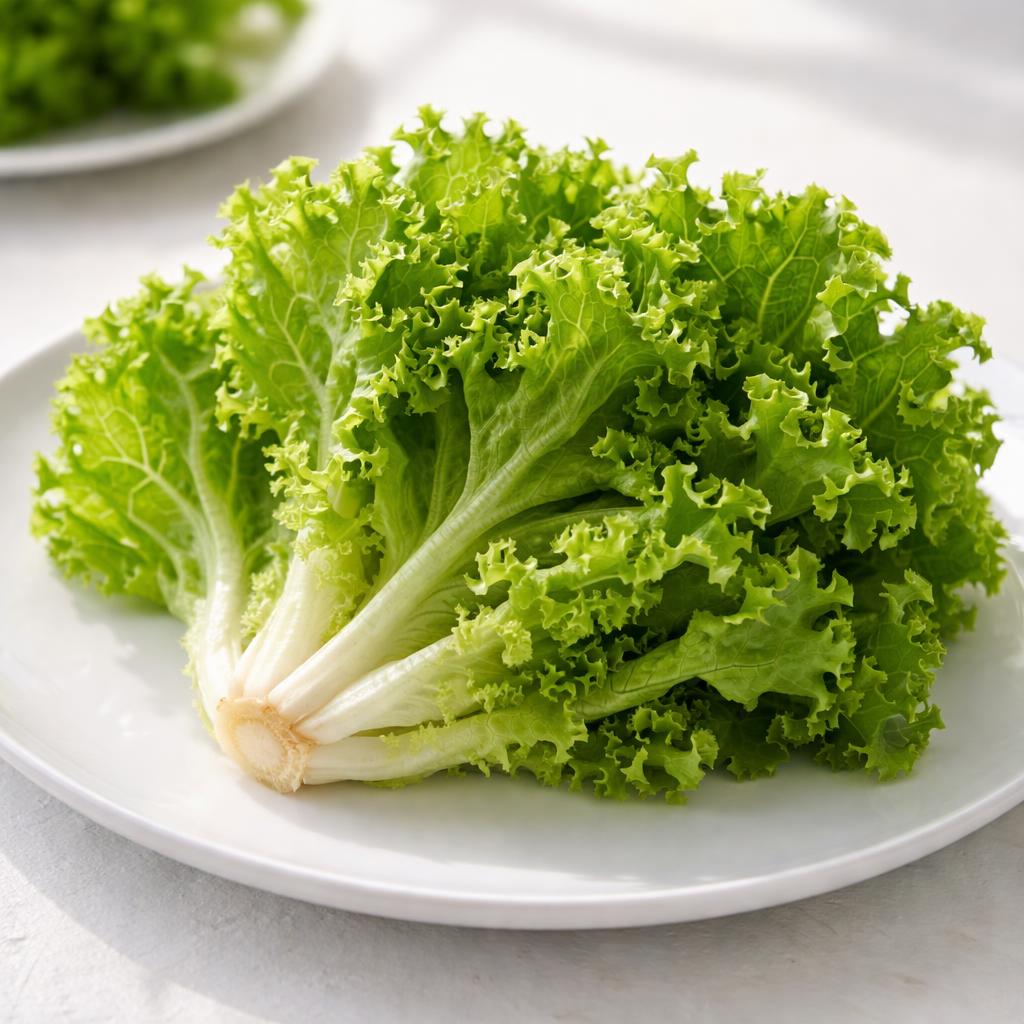
Green Leaf Lettuce
🎯 Quick Verdict
Rice is calorie-dense and higher in protein, making it better suited for energy-demanding activities or post-workout replenishment. Green leaf lettuce, on the other hand, is extremely low in calories, high in fiber, and packed with vitamins, making it an excellent choice for weight loss and boosting nutrient intake while eating light meals.

Smart Nutrition Tracking with SnapCalorie

📊 Nutritional Comparison
Macronutrients
| Nutrient | Food 1 | Food 2 | Winner |
|---|---|---|---|
| Calories | 130 | 15 | ✓ |
| Protein | 2.7g | 1.4g | ✓ |
| Carbs | 28.2g | 2.9g | ✓ |
| Fat | 0.3g | 0.2g | ✓ |
| Fiber | 0.4g | 1.3g | ✓ |
Vitamins & Minerals
| Nutrient | Food 1 | Food 2 | Winner |
|---|---|---|---|
| Vitamin A | 0IU | 7405IU | ✓ |
| Vitamin C | 0mg | 9.2mg | ✓ |
| Calcium | 10mg | 36mg | ✓ |
| Iron | 0.2mg | 0.9mg | ✓ |
🏆 Category Winners
Protein
Rice contains nearly double the protein compared to green leaf lettuce per serving.
Fiber
Green leaf lettuce has 3x more fiber per serving.
Calories
Green leaf lettuce has only 15 calories per serving, making it extremely low-calorie compared to rice's 130 calories.
🥗 Diet Compatibility
Keto
Food 1: Not Compatible
Food 2: Compatible
Rice is high in carbs, while green leaf lettuce is low-carb with minimal impact on ketosis.
Vegan
Food 1: Compatible
Food 2: Compatible
Both foods are plant-based and suitable for vegans.
Gluten Free
Food 1: Compatible
Food 2: Compatible
Neither rice nor green leaf lettuce contains gluten.
Paleo
Food 1: Compatible
Food 2: Compatible
Both foods align with paleo principles as whole, natural foods.
Low Carb
Food 1: Not Compatible
Food 2: Compatible
Rice is high in carbohydrates (28.2g per serving), while green leaf lettuce is low-carb (2.9g per serving).
💪 Health Benefits Comparison
Food 1 Benefits
- Provides sustained energy due to its high carbohydrate content
- Contains small amounts of protein to aid in muscle recovery
- Easily digestible, making it suitable for sensitive stomachs
Food 2 Benefits
- High in fiber, supporting healthy digestion and weight management
- Rich in Vitamin A, which is essential for vision and immune health
- Packed with antioxidants that protect cells from oxidative damage
- Low in calories, making it ideal for weight loss and light meals
✅ The Bottom Line
Choose rice when you need an energy-dense carbohydrate source, such as for post-workout meals or long-lasting energy. Opt for green leaf lettuce when you want a nutrient-dense, low-calorie food that supports weight loss and overall health.
Choose Food 1 for: High-energy meals, carb-loading, post-workout recovery
Choose Food 2 for: Weight loss, nutrient-rich salads, low-carb diets


