Rice VS Green Beans
A detailed nutritional comparison
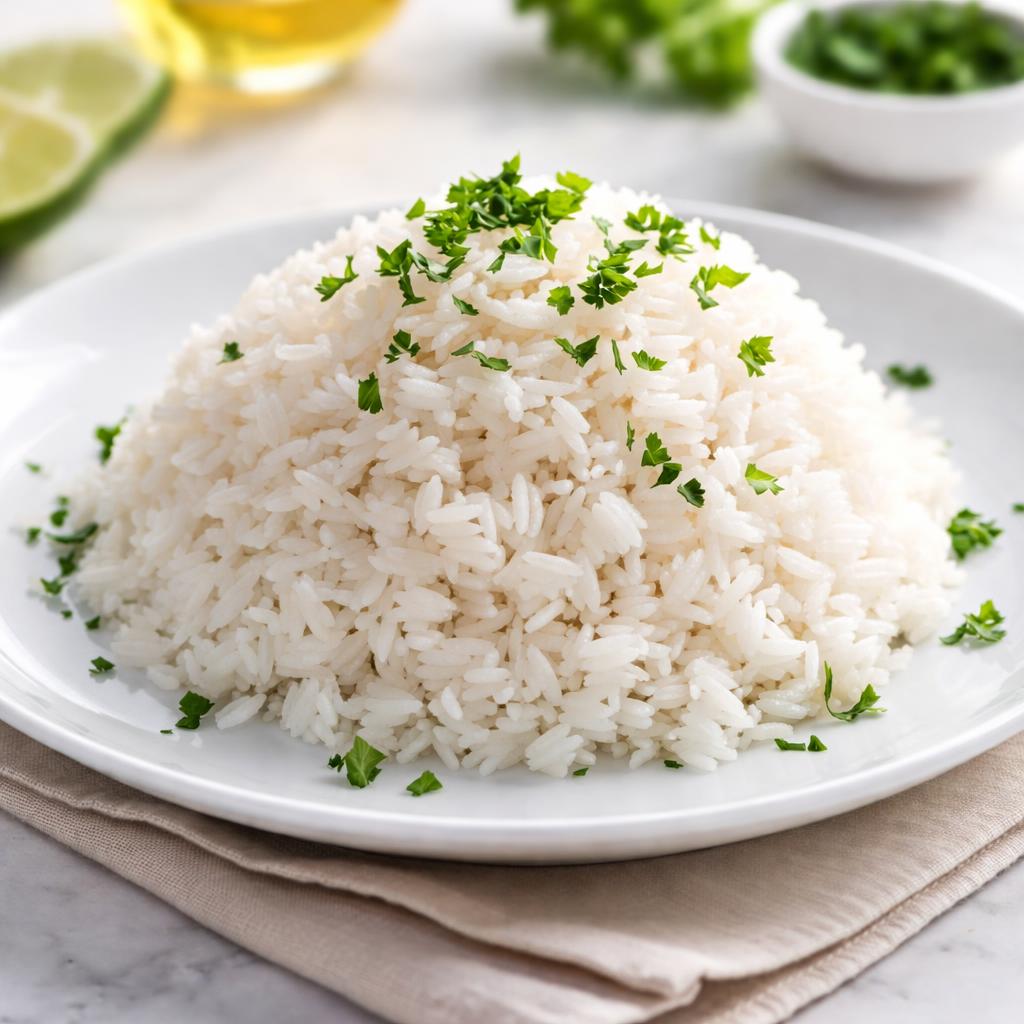
Rice
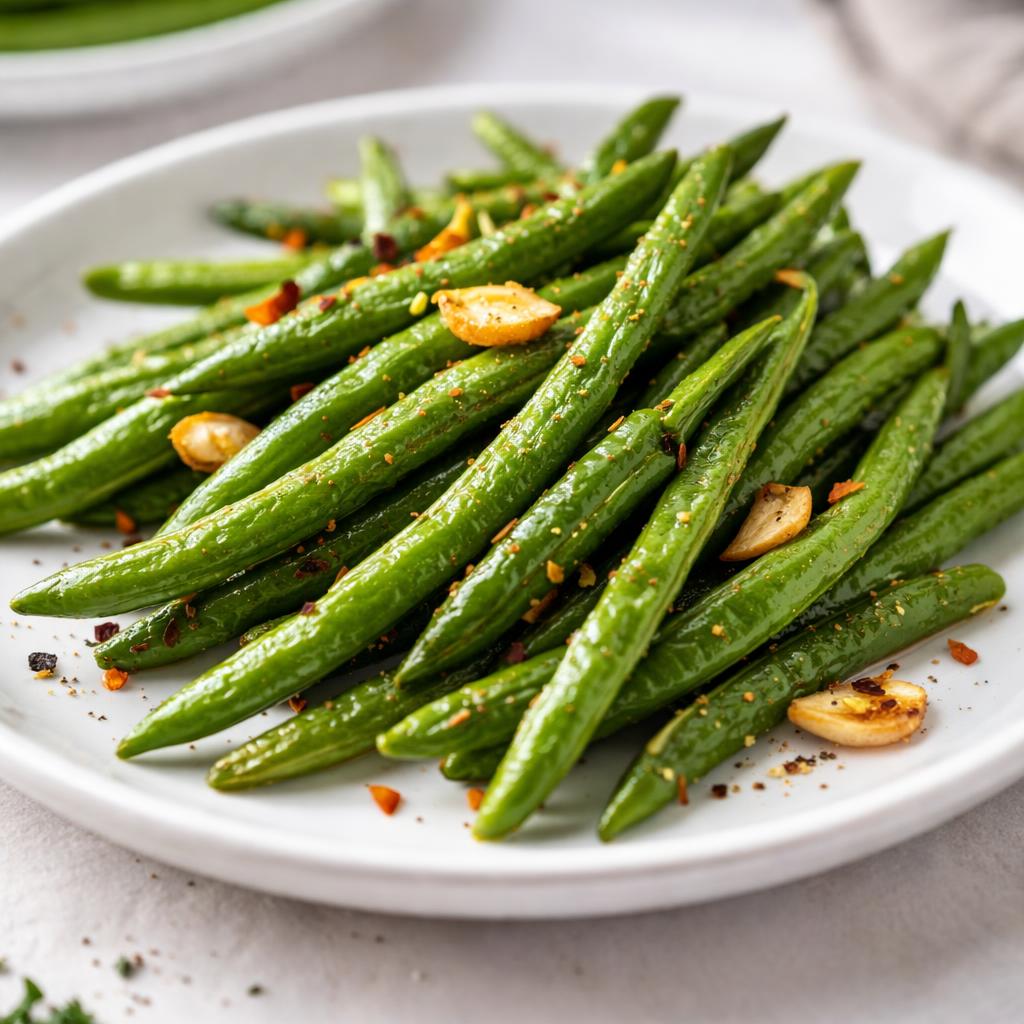
Green Beans
🎯 Quick Verdict
Green beans are nutritionally superior to rice due to higher protein, fiber, and micronutrient content, as well as lower calorie and carbohydrate levels. Rice, however, is a better source of quick-digesting carbs and serves well in providing energy for active lifestyles or endurance activities.

Smart Nutrition Tracking with SnapCalorie

📊 Nutritional Comparison
Macronutrients
| Nutrient | Food 1 | Food 2 | Winner |
|---|---|---|---|
| Calories | 206 (1 cup cooked white rice) | 44 (1 cup cooked green beans) | ✓ |
| Protein | 4.3g | 2g | ✓ |
| Carbs | 45g | 10g | ✓ |
| Fat | 0.4g | 0.2g | ✓ |
| Fiber | 0.6g | 4g | ✓ |
Vitamins & Minerals
| Nutrient | Food 1 | Food 2 | Winner |
|---|---|---|---|
| Vitamin C | 0mg | 12mg | ✓ |
| Vitamin A | 0IU | 759IU | ✓ |
| Iron | 0.6mg | 1mg | ✓ |
🏆 Category Winners
Protein
Rice has slightly more protein overall compared to green beans.
Fiber
Green beans provide over 6 times more fiber than rice.
Calories
Green beans deliver significantly fewer calories per serving.
Vitamins
Green beans are rich in vitamin C, vitamin A, and iron, while rice is low in micronutrients.
🥗 Diet Compatibility
Keto
Food 1: Not Compatible
Food 2: Compatible
Rice is high in carbs, while green beans are lower carb and keto-friendly.
Vegan
Food 1: Compatible
Food 2: Compatible
Both foods are plant-based and suitable for vegan diets.
Gluten Free
Food 1: Compatible
Food 2: Compatible
Neither food contains gluten.
Paleo
Food 1: Not Compatible
Food 2: Compatible
Rice is excluded from paleo diets, while green beans fit paleo guidelines.
Low-Carb
Food 1: Not Compatible
Food 2: Compatible
Rice has a high carbohydrate content; green beans are more suitable for low-carb diets.
💪 Health Benefits Comparison
Food 1 Benefits
- Provides sustained energy due to complex carbohydrates
- Low in fat and easy to digest
- Versatile base for diverse cuisines and meals
Food 2 Benefits
- Rich in fiber, promoting digestive health
- Excellent source of antioxidant vitamins (A and C)
- Low-calorie option for balanced weight management
- Contains iron for improving oxygen transport in the body
✅ The Bottom Line
Rice is optimal for energy-driven diets or post-workout carbohydrate replenishment, but green beans are nutritionally denser with fewer calories, more fiber, vitamins, and are suitable for low-carb lifestyles. Choose rice for active energy needs, and green beans for weight management or nutrient-rich meals.
Choose Food 1 for: High-carb energy, endurance sports, quick meal base
Choose Food 2 for: Weight loss, nutrient-rich snacks, heart-healthy diets


