Rice VS Grains
A detailed nutritional comparison
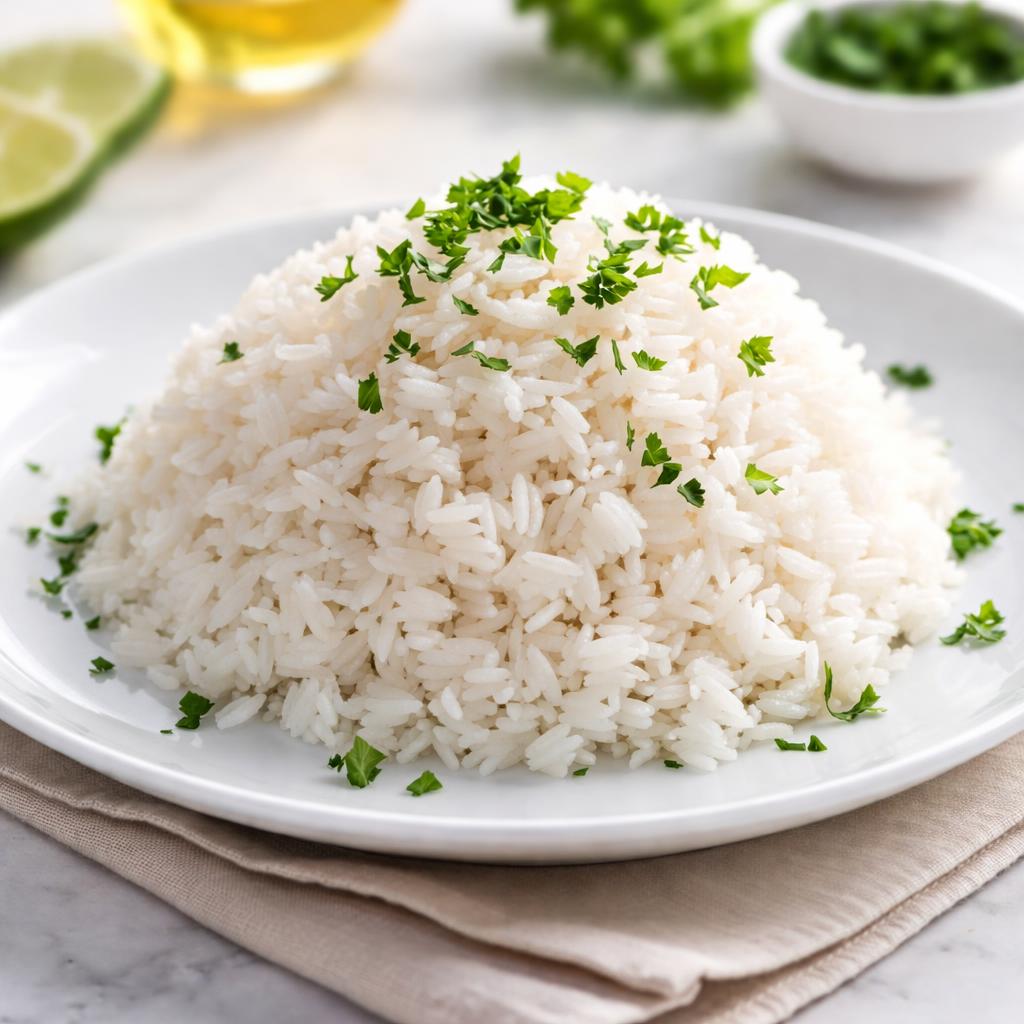
Rice
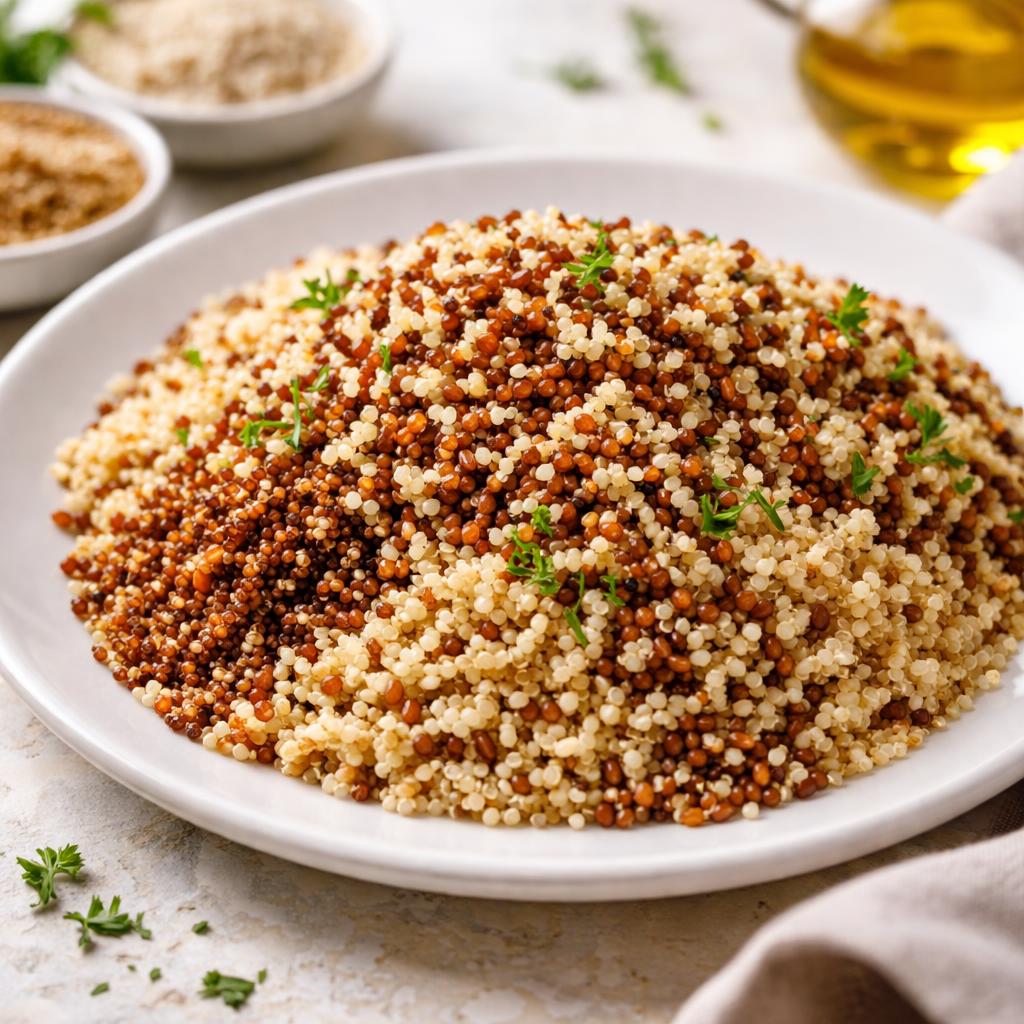
Grains
🎯 Quick Verdict
Grains generally contain more protein, fiber, and a wider range of essential nutrients compared to rice, making them a more nutrient-dense choice. However, rice is lower in calories and is often easier to digest, making it a good choice for those with sensitive stomachs or looking for a simple energy source.

Smart Nutrition Tracking with SnapCalorie

📊 Nutritional Comparison
Macronutrients
| Nutrient | Food 1 | Food 2 | Winner |
|---|---|---|---|
| Calories | 130 (per 1/2 cup cooked) | 150 (per 1/2 cup cooked) | − |
| Protein | 2.5g | 5g | − |
| Carbs | 28g | 26g | − |
| Fat | 0.2g | 2g | − |
| Fiber | 0.5g | 3.5g | − |
Vitamins & Minerals
| Nutrient | Food 1 | Food 2 | Winner |
|---|---|---|---|
| Vitamin B6 | 0.1mg | 0.3mg | − |
| Magnesium | 12mg | 75mg | − |
| Iron | 0.2mg | 2mg | − |
| Zinc | 0.4mg | 1.3mg | − |
🏆 Category Winners
Protein
Grains offer double the protein content compared to rice.
Fiber
Grains contain significantly more fiber, aiding digestive health.
Calories
Rice is lower in calories, making it better for lighter meals or lower-calorie diets.
Vitamins
Grains provide a broader range of vitamins and minerals, such as magnesium and iron.
🥗 Diet Compatibility
Keto
Food 1: Not Compatible
Food 2: Not Compatible
Both are high in carbohydrates.
Vegan
Food 1: Compatible
Food 2: Compatible
Both are plant-based foods.
Gluten Free
Food 1: Compatible
Food 2: Depends
Rice is naturally gluten-free, but some grains like wheat contain gluten.
Paleo
Food 1: Not Compatible
Food 2: Not Compatible
Both are considered non-compliant with strict paleo diets due to their agricultural origin.
Low-Carb
Food 1: Not Compatible
Food 2: Not Compatible
Both foods are relatively high in carbohydrates.
💪 Health Benefits Comparison
Food 1 Benefits
- Good energy source from carbohydrates
- Low in fat, ideal for lighter meals
- Easy to digest for sensitive stomachs
Food 2 Benefits
- Rich in fiber for digestive health
- Higher protein content supports muscle repair
- Contains essential minerals like magnesium and iron for overall health
✅ The Bottom Line
Rice is a simpler, lighter option for low-calorie meals or quick energy, but grains provide more fiber, protein, and essential nutrients, making them a better choice for nutrient-dense meals or prolonged energy. Choose rice for sensitive stomachs or post-workout recovery, and grains for general health and sustained energy.
Choose Food 1 for: Quick meals, sensitive stomachs, calorie-controlled diets
Choose Food 2 for: Nutrient-dense meals, digestive health, sustained energy


