Rice VS Golden Kiwi
A detailed nutritional comparison
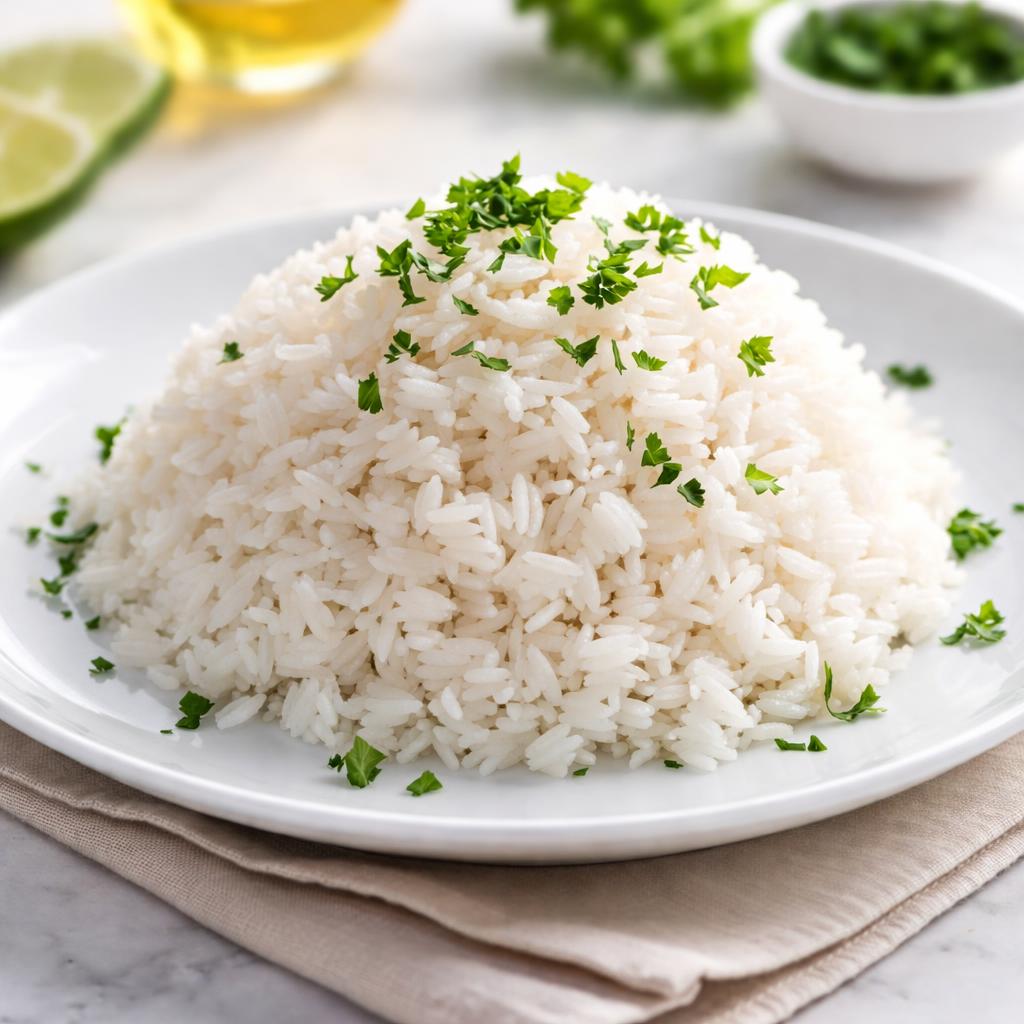
Rice
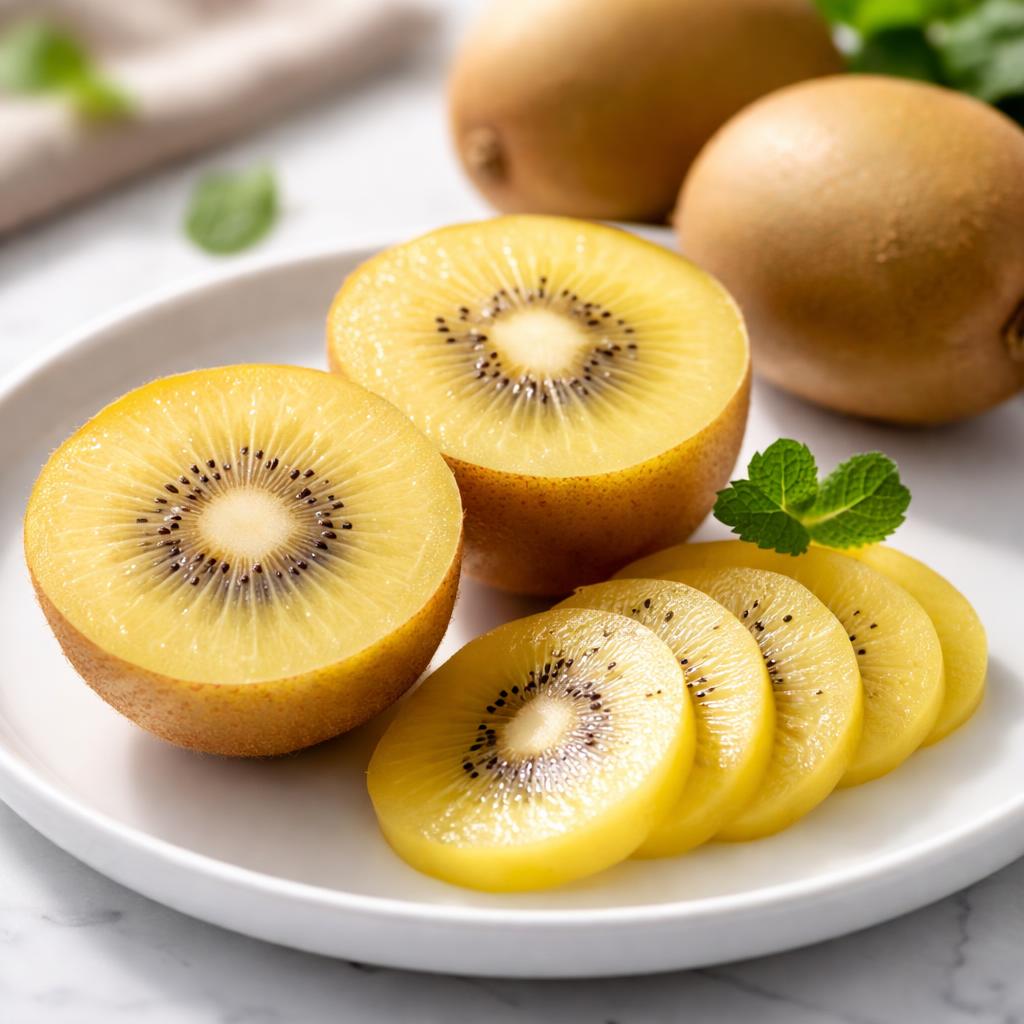
Golden Kiwi
🎯 Quick Verdict
Golden kiwi outshines rice in terms of fiber, vitamin content, and overall nutrient density, making it ideal for digestive health and vitamin boosts. Rice, on the other hand, is higher in calories and protein and serves as a versatile, energy-dense staple in various meals and diets. Choose rice for energy and satiety and golden kiwi for a nutrient-packed snack or dessert option.

Smart Nutrition Tracking with SnapCalorie

📊 Nutritional Comparison
Macronutrients
| Nutrient | Food 1 | Food 2 | Winner |
|---|---|---|---|
| Calories | 130 | 60 | ✓ |
| Protein | 2.7g | 1.2g | ✓ |
| Carbs | 28g | 15g | ✓ |
| Fat | 0.3g | 0.5g | ✓ |
| Fiber | 0.4g | 2g | ✓ |
Vitamins & Minerals
| Nutrient | Food 1 | Food 2 | Winner |
|---|---|---|---|
| Vitamin C | 0mg | 92mg (over 100% DV) | ✓ |
| Vitamin A | 0IU | 35IU | ✓ |
| Folate | 9mcg | 34mcg | ✓ |
| Potassium | 35mg | 215mg | ✓ |
🏆 Category Winners
Protein
Rice has over twice as much protein as golden kiwi.
Fiber
Golden kiwi contains 5x more fiber than rice.
Calories
Golden kiwi is significantly lower in calories.
Vitamins
Golden kiwi is much richer in vitamins, especially Vitamin C and Folate.
🥗 Diet Compatibility
Keto
Food 1: Not Compatible
Food 2: Not Compatible
Both are too high in carbohydrates to fit into keto diets.
Vegan
Food 1: Compatible
Food 2: Compatible
Both rice and golden kiwi are plant-based foods suitable for vegan diets.
Gluten Free
Food 1: Compatible
Food 2: Compatible
Neither food contains gluten.
Paleo
Food 1: Not Compatible
Food 2: Compatible
Rice is not paleo-friendly as it is a grain, but golden kiwi fits paleo criteria.
Low Carb
Food 1: Not Compatible
Food 2: Compatible
Golden kiwi is lower in carbohydrates than rice, making it somewhat compatible with low-carb diets.
💪 Health Benefits Comparison
Food 1 Benefits
- Good source of energy from carbohydrates
- Provides protein to support muscle repair
- Versatile base food for many dishes
Food 2 Benefits
- Rich in Vitamin C for immune support and skin health
- High fiber content aids digestion
- Contains potassium for heart health and muscle function
- Provides antioxidants to combat oxidative stress
✅ The Bottom Line
Rice is a better choice for energy and satiety, ideal for meals requiring a carbohydrate base and protein boost. Golden kiwi is an excellent nutrient-dense snack or dessert, particularly beneficial for digestion, immune health, and vitamin intake. Both have distinct roles in a balanced diet.
Choose Food 1 for: Energy-dense diets, post-workout carb loading, versatile meal base
Choose Food 2 for: Immunity support, digestive health, nutrient-dense snacks


