Rice VS Garbanzo Beans
A detailed nutritional comparison
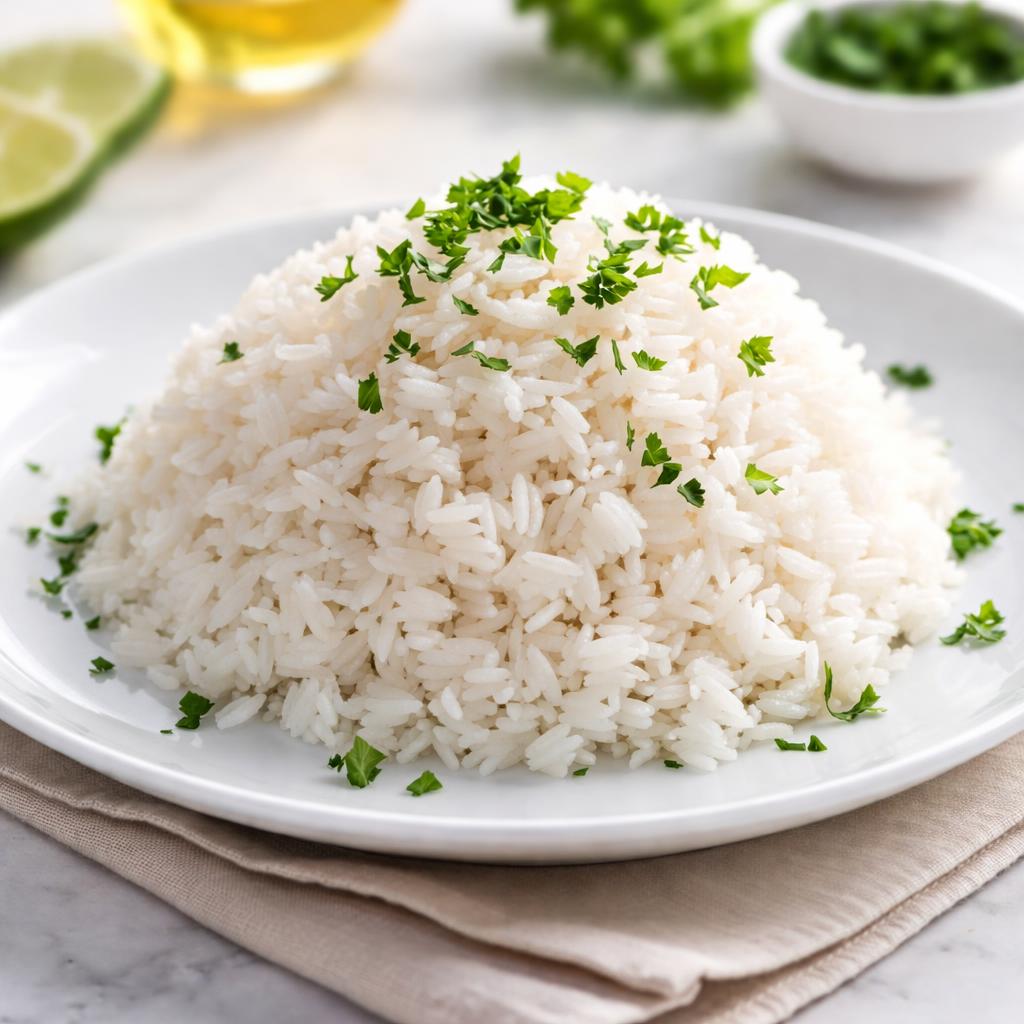
Rice
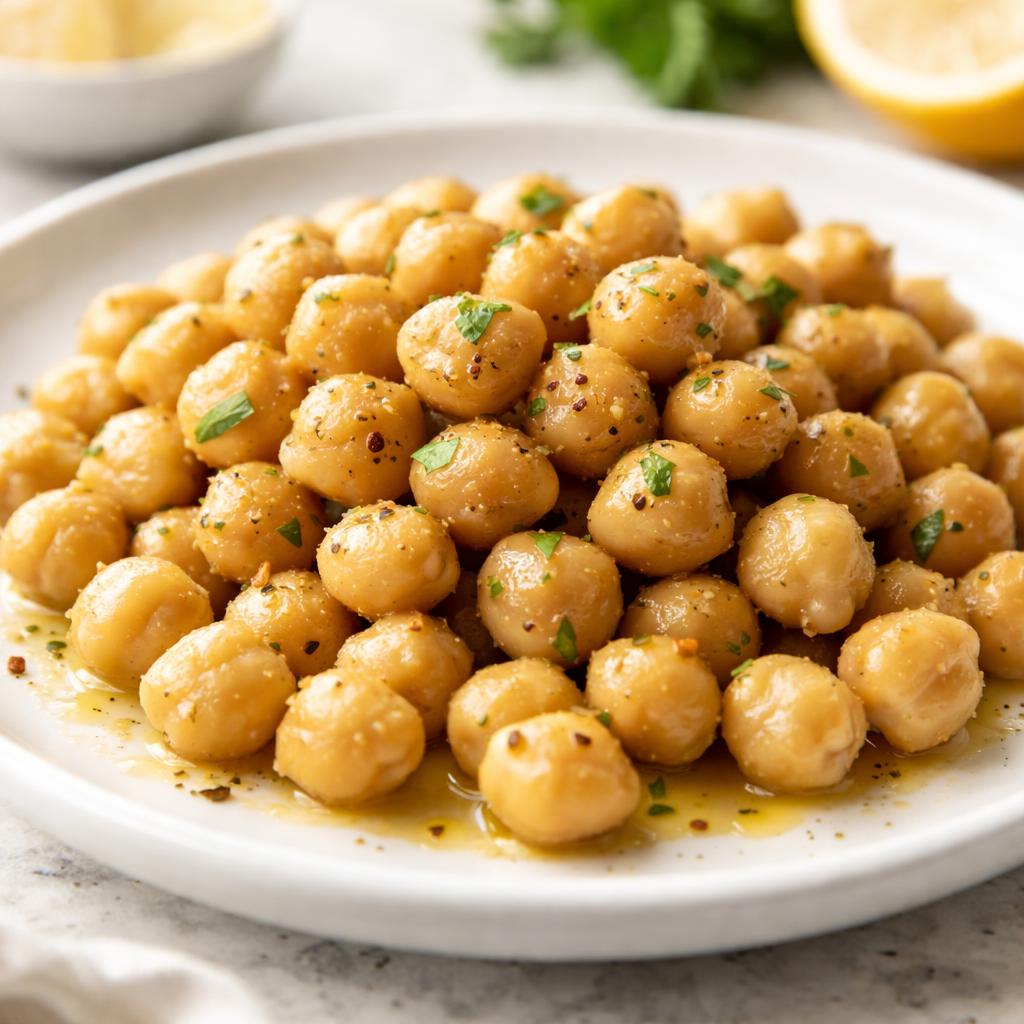
Garbanzo Beans
🎯 Quick Verdict
Garbanzo beans outshine rice in protein (14.5g vs 2.7g per cup) and fiber (12.5g vs 0.6g per cup), making them more nutritionally dense overall. Rice, however, has fewer calories (205 vs 270 per cup) and may suit lower-calorie diets that prioritize energy over nutrients. Both are versatile for various cuisines and dietary preferences.

Smart Nutrition Tracking with SnapCalorie

📊 Nutritional Comparison
Macronutrients
| Nutrient | Food 1 | Food 2 | Winner |
|---|---|---|---|
| Calories | 205 | 270 | ✓ |
| Protein | 2.7g | 14.5g | ✓ |
| Carbs | 44.5g | 45g | ✓ |
| Fat | 0.4g | 4.2g | ✓ |
| Fiber | 0.6g | 12.5g | ✓ |
Vitamins & Minerals
| Nutrient | Food 1 | Food 2 | Winner |
|---|---|---|---|
| Vitamin D | 0mcg | 0mcg | − |
| Calcium | 20mg | 80mg | ✓ |
| Iron | 0.2mg | 4.7mg | ✓ |
| Potassium | 55mg | 477mg | ✓ |
🏆 Category Winners
Protein
Garbanzo beans contain 14.5g of protein per cup, while rice only provides 2.7g.
Fiber
Garbanzo beans offer 12.5g of fiber per cup compared to just 0.6g for rice.
Calories
Rice has fewer calories (205 per cup) compared to garbanzo beans (270 per cup).
Vitamins
Garbanzo beans are richer in essential minerals like iron, potassium, and calcium.
🥗 Diet Compatibility
Keto
Food 1: Not Compatible
Food 2: Not Compatible
Both foods are high in carbohydrates, which are not suitable for keto.
Vegan
Food 1: Compatible
Food 2: Compatible
Both foods are plant-based and suitable for vegan diets.
Gluten Free
Food 1: Compatible
Food 2: Compatible
Neither food contains gluten, making them safe for gluten-free diets.
Paleo
Food 1: Not Compatible
Food 2: Limited Compatibility
Rice is not paleo, but garbanzo beans may fit loosely in some paleo approaches.
Low Carb
Food 1: Not Compatible
Food 2: Not Compatible
Both foods are high in carbohydrates and unsuitable for low-carb diets.
💪 Health Benefits Comparison
Food 1 Benefits
- Provides energy through high carbohydrate content
- Low in fat, supporting low-fat diets
- Quick digestion, suitable for pre-workout meals
Food 2 Benefits
- Rich source of plant-based protein for muscle repair
- High fiber content supports digestive health and satiety
- Contains iron and potassium for improved blood and heart health
- Provides essential minerals like calcium for strong bones
✅ The Bottom Line
Choose garbanzo beans for high-protein, high-fiber diets, or when looking for nutrient density. Rice is better if you seek lower-calorie options or quick-digesting carbs. Each has unique roles depending on dietary goals.
Choose Food 1 for: Quick energy, low-calorie diets, high-carb meals
Choose Food 2 for: Protein-rich diets, digestive health, nutrient-dense meals


