Rice VS Fruit Salad
A detailed nutritional comparison
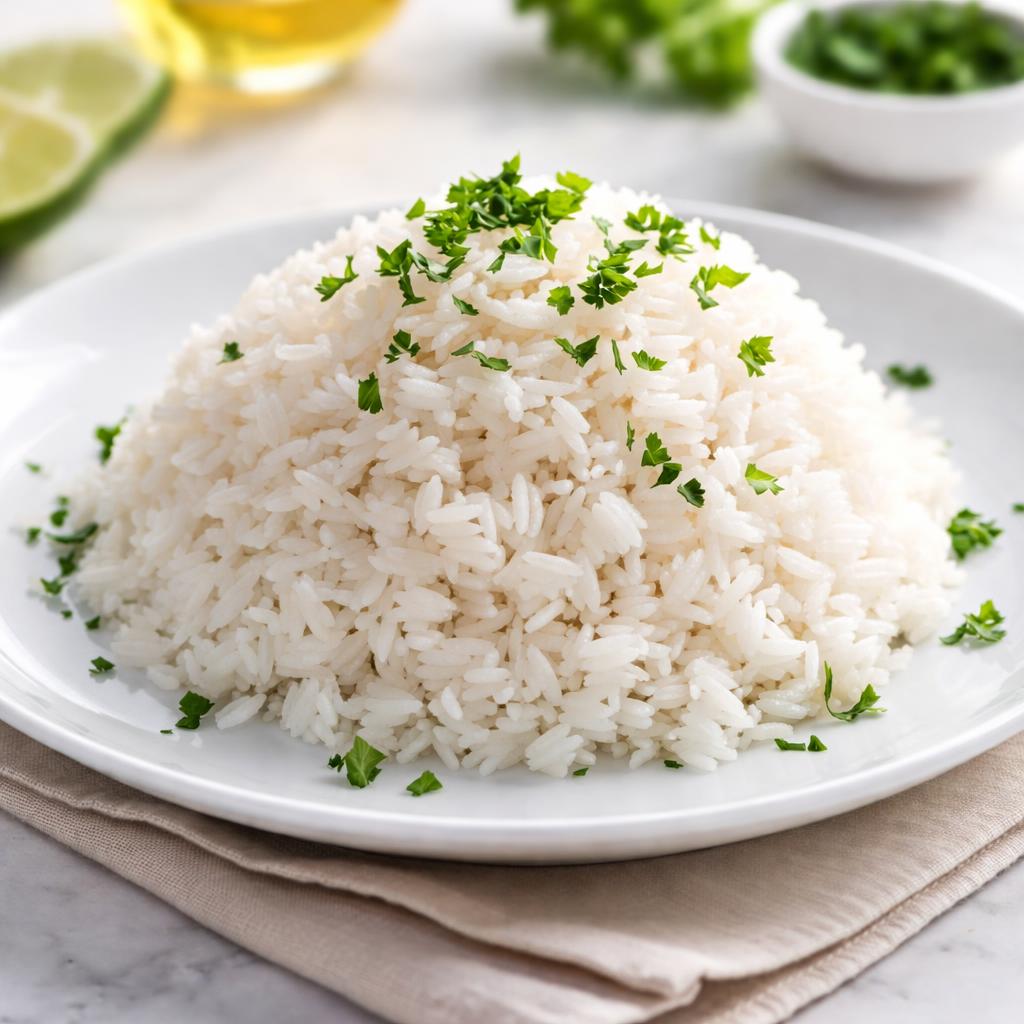
Rice
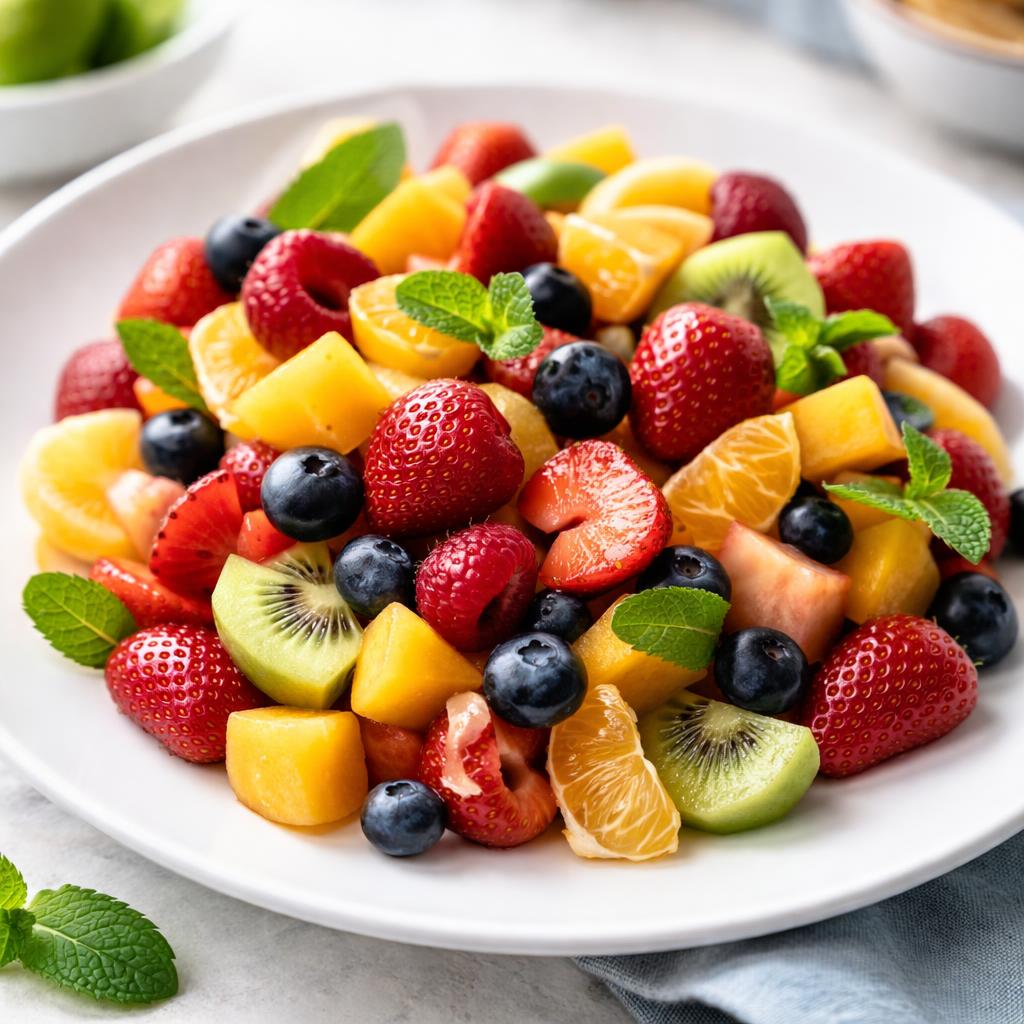
Fruit Salad
🎯 Quick Verdict
Rice and fruit salad serve very different dietary purposes. Rice is a higher-calorie, carbohydrate-rich grain that offers moderate protein and minimal fiber, ideal for energy replenishment. Fruit salad, on the other hand, is lower in calories, rich in fiber, and packed with essential vitamins and antioxidants, making it an excellent choice for snacking or supporting overall health with nutrient density.

Smart Nutrition Tracking with SnapCalorie

📊 Nutritional Comparison
Macronutrients
| Nutrient | Food 1 | Food 2 | Winner |
|---|---|---|---|
| Calories | 130 calories per 1 cup (cooked) | 85 calories per 1 cup | − |
| Protein | 2.7g per 1 cup | 1g per 1 cup | − |
| Carbs | 28g per 1 cup (cooked) | 22g per 1 cup | − |
| Fat | 0.3g per 1 cup | 0.7g per 1 cup | − |
| Fiber | 0.6g per 1 cup | 3g per 1 cup | − |
Vitamins & Minerals
| Nutrient | Food 1 | Food 2 | Winner |
|---|---|---|---|
| Vitamin C | 0mg | 30mg per 1 cup | − |
| Vitamin A | 0IU | 100IU per 1 cup | − |
| Potassium | 35mg per 1 cup | 250mg per 1 cup | − |
🏆 Category Winners
Protein
Rice has nearly three times more protein compared to fruit salad per serving.
Fiber
Fruit salad contains five times more fiber per serving.
Calories
Fruit salad has 35% fewer calories compared to rice per serving.
Vitamins
Fruit salad is rich in Vitamin C, Vitamin A, and Potassium, while rice lacks these nutrients.
🥗 Diet Compatibility
Keto
Food 1: Not Compatible
Food 2: Not Compatible
Both are relatively high in carbs, making them unsuitable for keto diets.
Vegan
Food 1: Compatible
Food 2: Compatible
Both foods are plant-based.
Gluten Free
Food 1: Compatible
Food 2: Compatible
Neither contains gluten.
Paleo
Food 1: Not Compatible
Food 2: Compatible
Rice is excluded in paleo diets but fruit salad is compliant.
Low Carb
Food 1: Not Compatible
Food 2: Not Compatible
Both foods are high in carbohydrates and unsuitable for low-carb diets.
💪 Health Benefits Comparison
Food 1 Benefits
- Provides sustained energy for physical activity due to complex carbs
- Low in fat, making it suitable for low-fat diets
- Source of trace minerals like selenium and manganese for metabolism
Food 2 Benefits
- High in antioxidants that support overall health and reduce inflammation
- Rich in dietary fiber that promotes digestive health
- Loaded with Vitamin C for immune system boosting
- Contains natural sugars for quick energy without added sweeteners
✅ The Bottom Line
Rice is ideal for those seeking a source of sustained energy, especially post-workout or as part of a balanced meal with protein and vegetables. Fruit salad is an excellent choice for a lower-calorie snack, rich in vitamins, fiber, and antioxidants, making it great for overall health and weight maintenance. Combine both for a balanced diet when needed.
Choose Food 1 for: Energy replenishment, post-workout meals, weight gain diets
Choose Food 2 for: Snacks, weight maintenance or loss, vitamin-rich diets


