Rice VS Fried Onions
A detailed nutritional comparison
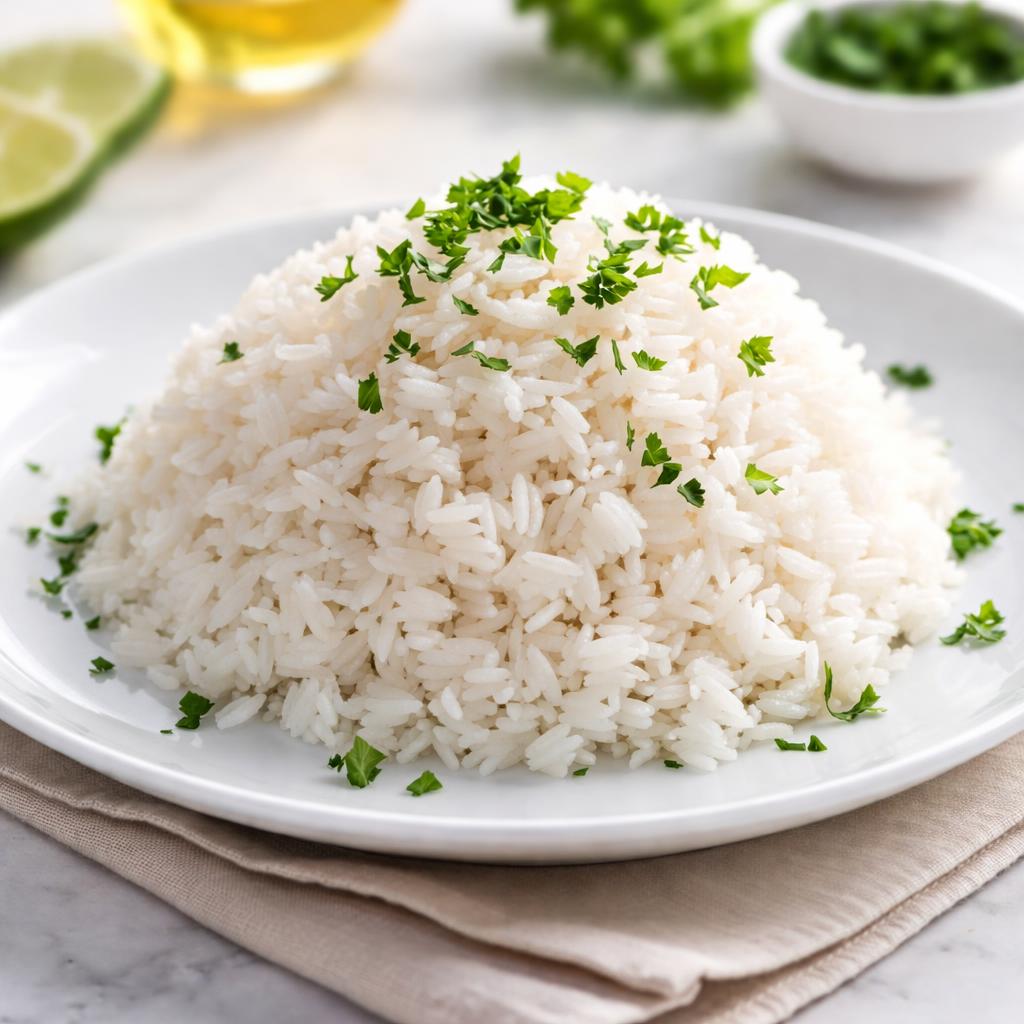
Rice
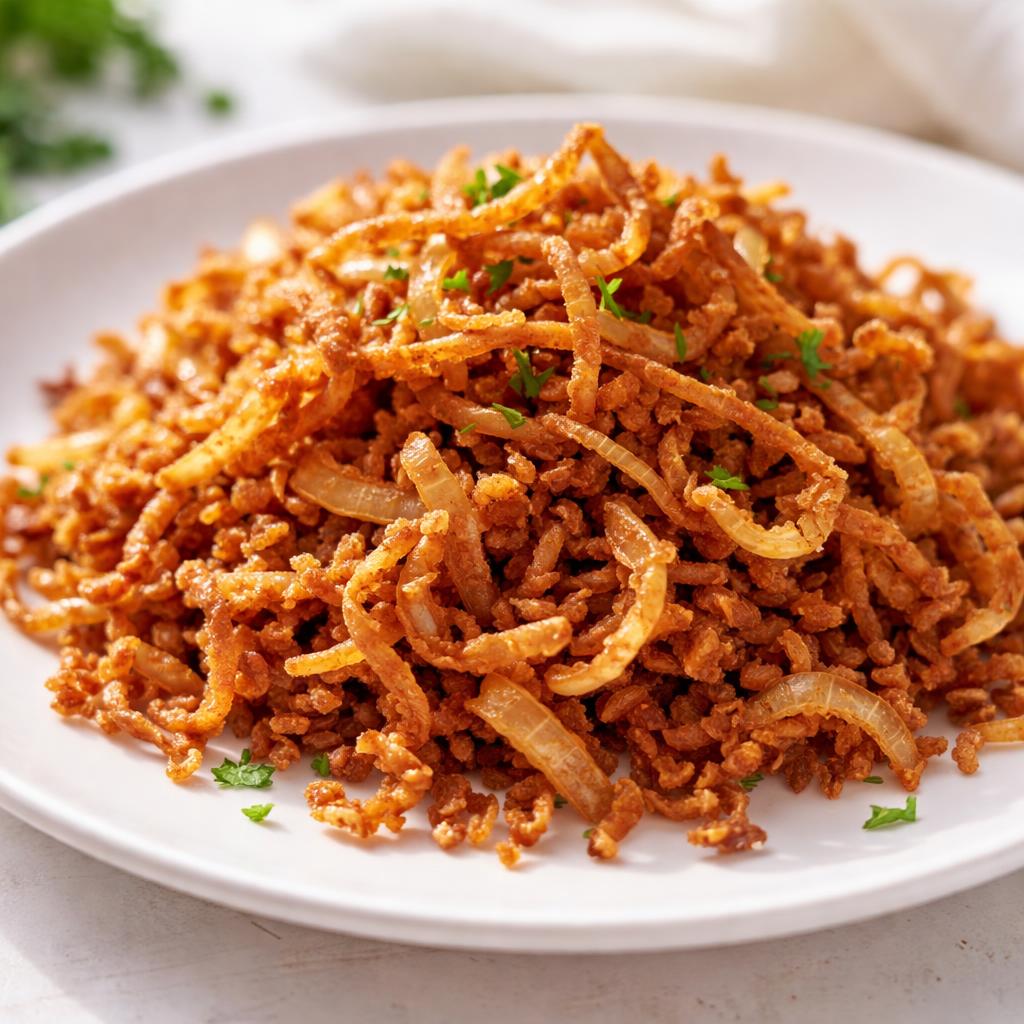
Fried Onions
🎯 Quick Verdict
Rice is a low-calorie, carb-rich staple and provides more protein per serving, making it a versatile base for any meal. Fried onions, while calorie-dense, offer more fiber and healthy fats, along with additional flavor and antioxidants, making them ideal as a topping or garnish rather than a base food.

Smart Nutrition Tracking with SnapCalorie

📊 Nutritional Comparison
Macronutrients
| Nutrient | Food 1 | Food 2 | Winner |
|---|---|---|---|
| Calories | 130 per 100g (cooked) | 410 per 100g | ✓ |
| Protein | 2.7g | 1.6g | ✓ |
| Carbs | 28g | 39g | ✓ |
| Fat | 0.3g | 24g | ✓ |
| Fiber | 0.4g | 3.7g | ✓ |
Vitamins & Minerals
| Nutrient | Food 1 | Food 2 | Winner |
|---|---|---|---|
| Vitamin C | 0mg | 7mg | ✓ |
| Iron | 0.2mg | 0.5mg | ✓ |
| Potassium | 35mg | 166mg | ✓ |
🏆 Category Winners
Protein
Rice contains 69% more protein per serving compared to fried onions.
Fiber
Fried onions deliver 9 times more fiber than rice per serving.
Calories
Rice is significantly lower in calories, making it a better choice for weight management.
🥗 Diet Compatibility
Keto
Food 1: Not Compatible
Food 2: Not Compatible
Both foods are high in carbohydrates.
Vegan
Food 1: Compatible
Food 2: Compatible
Both foods are plant-based and suitable for vegan diets.
Gluten Free
Food 1: Compatible
Food 2: Compatible
Neither rice nor fried onions contain gluten naturally.
Paleo
Food 1: Compatible
Food 2: Compatible
Both rice and fried onions meet paleo criteria when unprocessed.
Low Carb
Food 1: Not Compatible
Food 2: Not Compatible
Both foods exceed the daily carb limit for low-carb diets.
💪 Health Benefits Comparison
Food 1 Benefits
- Low-fat and low-calorie food ideal for energy and weight management.
- Provides quick carbohydrates for sustained energy.
- Gentle on digestion, suitable for sensitive stomachs.
Food 2 Benefits
- Rich in fiber, supporting gut health and digestion.
- Contains antioxidants like quercetin which may help reduce inflammation.
- Provides potassium and iron, contributing to heart health and oxygen transport.
✅ The Bottom Line
Rice is the better option as a daily staple due to its lower calories, higher protein, and versatile use for meals. Fried onions are better suited as a flavorful topping or side for their fiber and micronutrient content but should be consumed sparingly due to their calorie density and fat content.
Choose Food 1 for: Weight management, everyday meals, sustained energy
Choose Food 2 for: Flavor enhancement, gut health, antioxidant benefits


