Rice VS Fennel
A detailed nutritional comparison
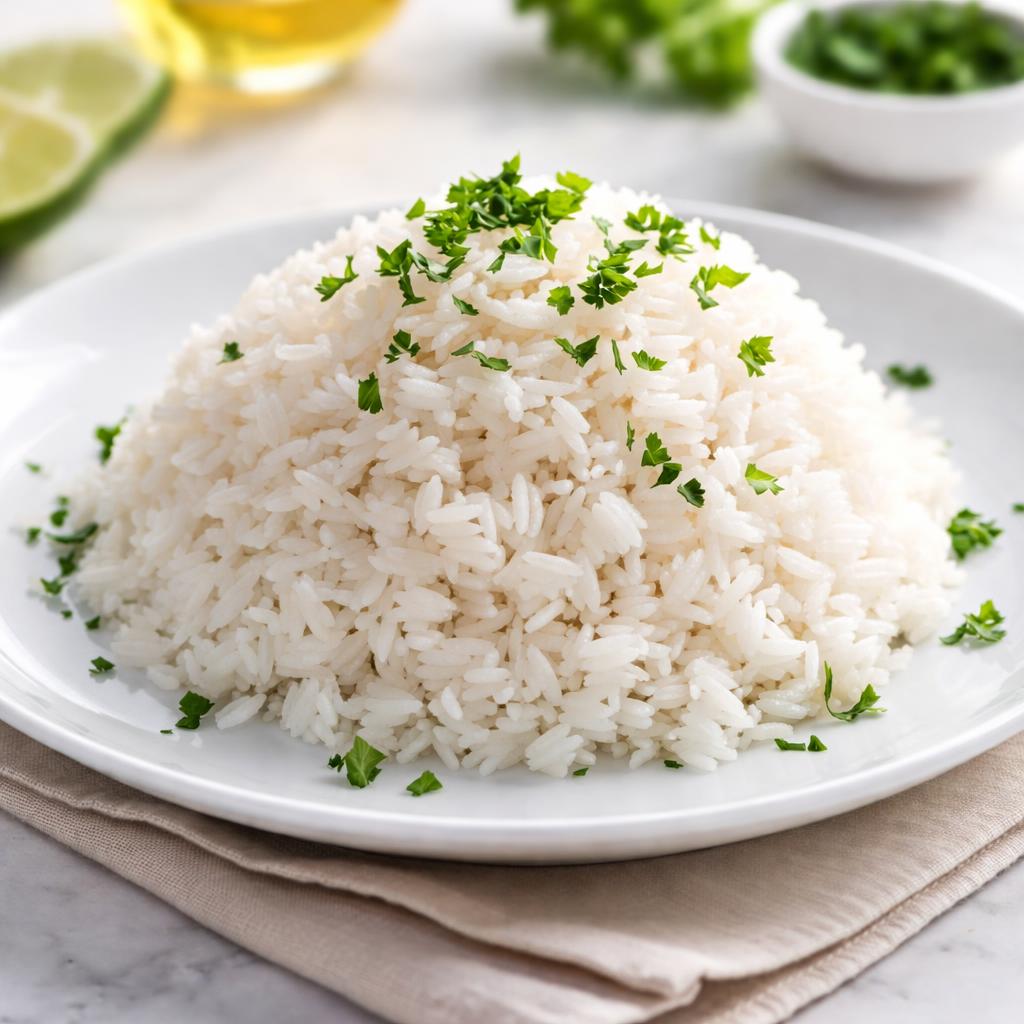
Rice
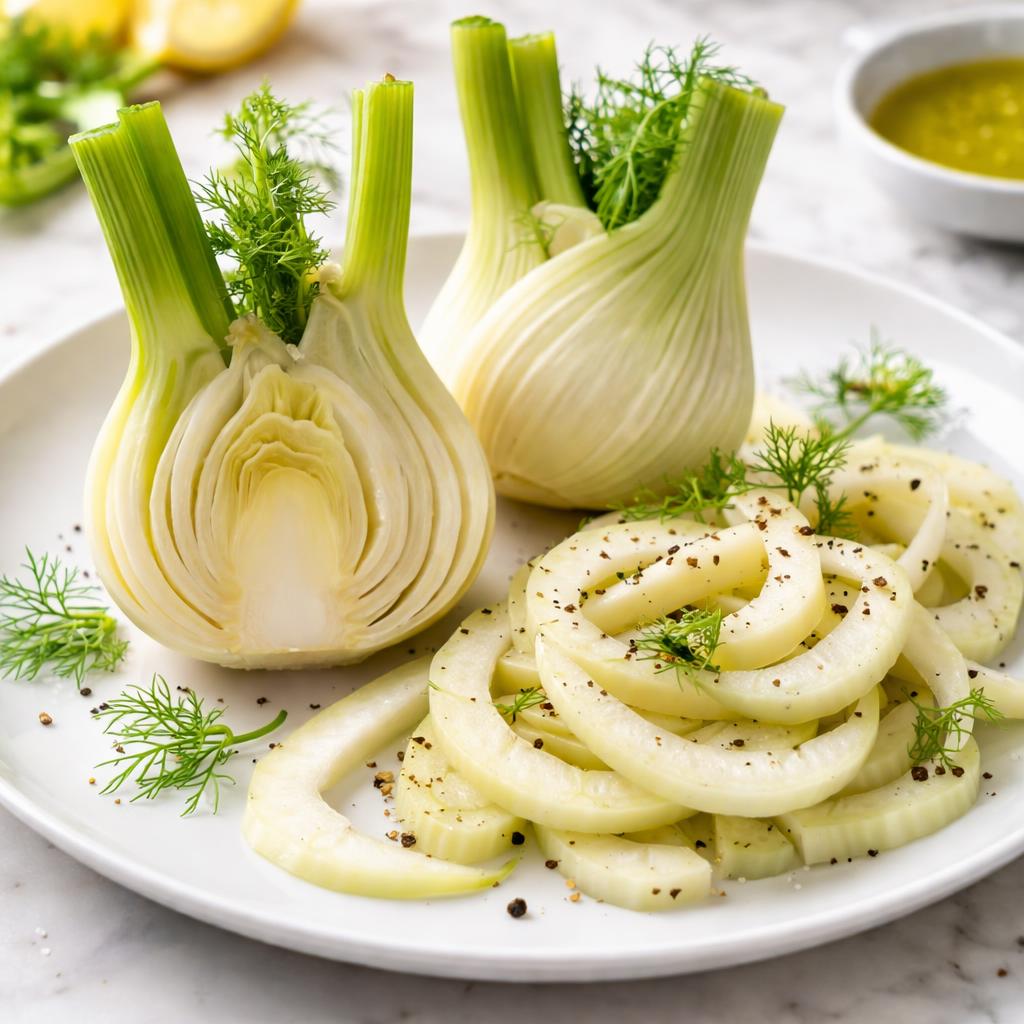
Fennel
🎯 Quick Verdict
Rice and fennel vary greatly in nutritional composition. Rice is primarily a carbohydrate source and offers sustained energy, while fennel is lower in calories, higher in fiber, and packed with vitamins and minerals. Rice is better for energy-demanding activities, while fennel supports digestion and overall nutrient intake due to its vitamin and fiber content.

Smart Nutrition Tracking with SnapCalorie

📊 Nutritional Comparison
Macronutrients
| Nutrient | Food 1 | Food 2 | Winner |
|---|---|---|---|
| Calories | 130 (white rice, cooked, 1 cup) | 27 (fennel, raw, 1 cup) | − |
| Protein | 2.7g | 1.1g | − |
| Carbs | 28g | 6g | − |
| Fat | 0.3g | 0.2g | − |
| Fiber | 0.4g | 2.7g | − |
Vitamins & Minerals
| Nutrient | Food 1 | Food 2 | Winner |
|---|---|---|---|
| Vitamin C | 0mg | 10mg (17% DV) | − |
| Potassium | 35mg | 360mg (8% DV) | − |
| Folate | 2mcg | 40mcg (10% DV) | − |
🏆 Category Winners
Protein
Rice provides more protein per serving (2.7g vs 1.1g).
Fiber
Fennel provides significantly more fiber, aiding digestion.
Calories
Fennel has approximately 80% fewer calories than rice.
Vitamins
Fennel is richer in key vitamins like vitamin C, potassium, and folate.
🥗 Diet Compatibility
Keto
Food 1: Not Compatible
Food 2: Compatible
Rice is high in carbs, while fennel is low-carb.
Vegan
Food 1: Compatible
Food 2: Compatible
Both are plant-based foods.
Gluten Free
Food 1: Compatible
Food 2: Compatible
Neither contains gluten.
Paleo
Food 1: Compatible
Food 2: Compatible
Both align with paleo principles.
Low-Carb
Food 1: Not Compatible
Food 2: Compatible
Rice contains significantly higher carbs, while fennel is low-carb (6g carbs per 1 cup).
💪 Health Benefits Comparison
Food 1 Benefits
- Provides sustained energy due to high carbohydrate content
- Low in fat, making it heart-friendly
- Easy to digest, suitable for sensitive stomachs
Food 2 Benefits
- High in fiber, promoting digestion and gut health
- Rich in antioxidants like vitamin C for immune support
- Contains potassium, important for heart and muscle function
✅ The Bottom Line
Rice and fennel serve different purposes in a diet. Choose rice if you require energy for physical activity or quick meal options that are easy to pair with other foods. Opt for fennel if you're watching calories, require more fiber, or want to incorporate vitamins and minerals into your meals.
Choose Food 1 for: High-energy diets, easy-to-digest meals, pairing with sauces
Choose Food 2 for: Weight loss, digestion support, vitamin-rich foods


