Rice VS Fajita Veggies
A detailed nutritional comparison
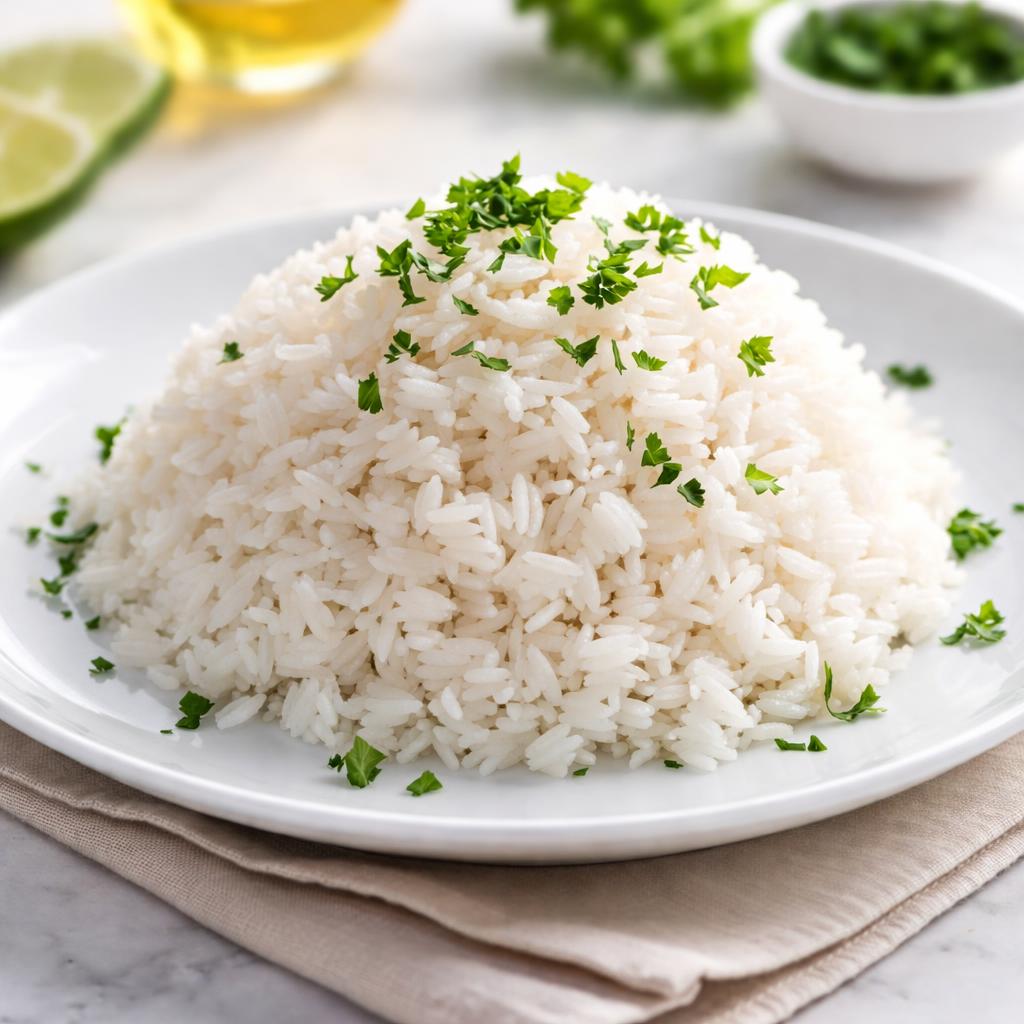
Rice
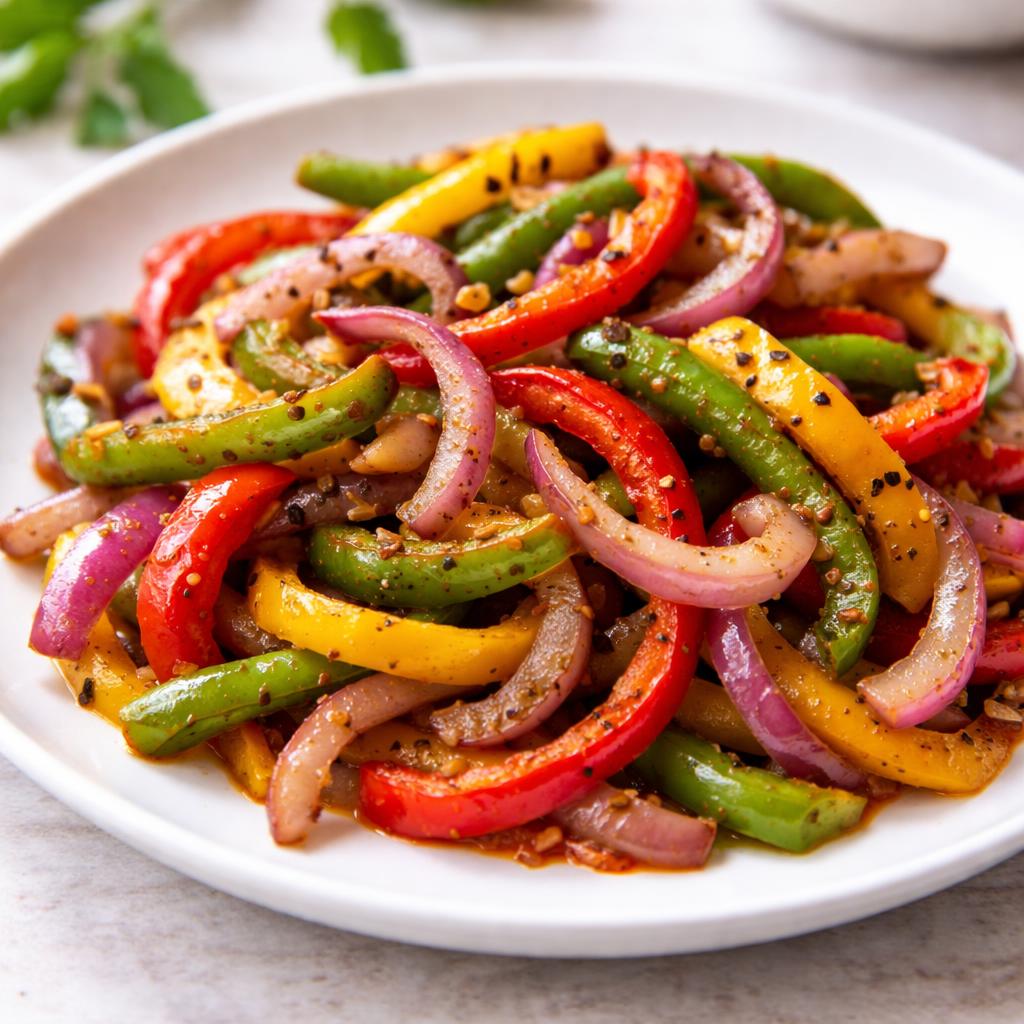
Fajita Veggies
🎯 Quick Verdict
Rice is a calorie-dense source of carbohydrates that provides quick energy but lacks significant protein or fiber. Fajita veggies are lower in calories and carbs, while offering notable amounts of fiber, vitamins, and antioxidants, making them better for nutrient density and weight management. Rice is ideal for energy-intensive activities, while fajita veggies complement nutrient-focused diets.

Smart Nutrition Tracking with SnapCalorie

📊 Nutritional Comparison
Macronutrients
| Nutrient | Food 1 | Food 2 | Winner |
|---|---|---|---|
| Calories | 206 (per cooked cup) | 50 (per 1 cup cooked) | ✓ |
| Protein | 4g | 2g | ✓ |
| Carbs | 45g | 8g | ✓ |
| Fat | 0.5g | 0.3g | ✓ |
| Fiber | 0.6g | 3g | ✓ |
Vitamins & Minerals
| Nutrient | Food 1 | Food 2 | Winner |
|---|---|---|---|
| Vitamin C | 0mg | 20mg | ✓ |
| Vitamin A | 0IU | 1200IU | ✓ |
| Potassium | 55mg | 230mg | ✓ |
🏆 Category Winners
Protein
While neither provides much protein, rice has twice the amount of protein per serving compared to fajita veggies.
Fiber
Fajita veggies offer five times more fiber, aiding digestion and satiety.
Calories
Fajita veggies have 75% fewer calories, making them better for calorie-controlled diets.
Vitamins
Fajita veggies are rich in essential vitamins like Vitamin C and A, whereas rice has very few vitamin contributions.
🥗 Diet Compatibility
Keto
Food 1: Not Compatible
Food 2: Compatible
Rice is high in carbs, while fajita veggies are low-carb and keto-friendly.
Vegan
Food 1: Compatible
Food 2: Compatible
Both foods are plant-based.
Gluten Free
Food 1: Compatible
Food 2: Compatible
Neither food contains gluten.
Paleo
Food 1: Compatible
Food 2: Compatible
Both are minimally processed and align with Paleo guidelines.
Low-Carb
Food 1: Not Compatible
Food 2: Compatible
Rice is carb-heavy, but fajita veggies have only 8g carbs per cup.
💪 Health Benefits Comparison
Food 1 Benefits
- Provides quick energy due to high carbohydrate content
- Low in fat, supporting low-fat diets
- Gluten-free option for those with sensitivities
Food 2 Benefits
- Rich in antioxidants like vitamin C for immune support
- High in fiber, aiding digestion and satiety
- Low in calories, ideal for weight management or calorie-controlled diets
- Contains vitamin A, supporting eye health
✅ The Bottom Line
Rice is a great option for energy and pairing with meals where a carbohydrate base is needed, such as during physically demanding activities or sports. Fajita veggies are better suited for weight management, nutrient-dense diets, and calorie control due to their high fiber and vitamin content. Choose rice for sustained energy needs and fajita veggies for nutrition-packed meal enhancements.
Choose Food 1 for: High-energy needs, pairing with proteins, fueling workouts
Choose Food 2 for: Weight loss, nutrient density, digestion improvement, balanced meals


