Rice VS Eggs Over Easy
A detailed nutritional comparison

Rice
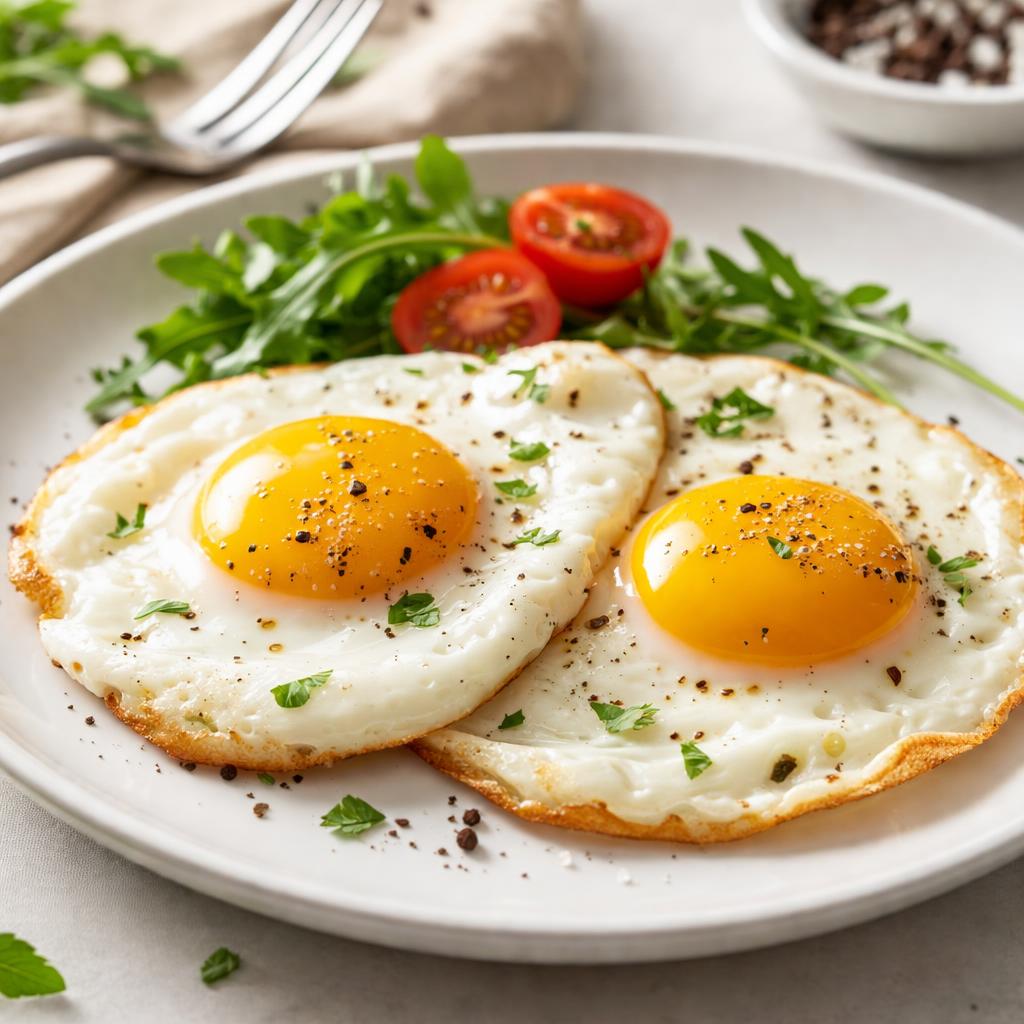
Eggs Over Easy
🎯 Quick Verdict
Rice is a carbohydrate-rich food with more fiber but low protein. Eggs are a superior protein source, offering high nutrient density, including essential vitamins and minerals. Rice works well for energy needs, while eggs excel in muscle-building diets and keto plans.

Smart Nutrition Tracking with SnapCalorie

📊 Nutritional Comparison
Macronutrients
| Nutrient | Food 1 | Food 2 | Winner |
|---|---|---|---|
| Calories | 130 (1 cup cooked) | 140 (2 large eggs) | − |
| Protein | 2g | 12g | ✓ |
| Carbs | 28g | 1g | ✓ |
| Fat | 0.2g | 10g | ✓ |
| Fiber | 0.4g | 0g | ✓ |
Vitamins & Minerals
| Nutrient | Food 1 | Food 2 | Winner |
|---|---|---|---|
| Vitamin A | 0mcg | 100mcg | ✓ |
| Vitamin D | 0mcg | 2mcg | ✓ |
| Iron | 0.2mg | 1.75mg | ✓ |
| Calcium | 10mg | 50mg | ✓ |
🏆 Category Winners
Protein
Eggs provide 600% more protein than rice per serving.
Fiber
Rice contains dietary fiber, while eggs have none.
Calories
Both foods deliver similar calorie content at standard serving sizes.
Vitamins
Eggs are rich in vitamin D, vitamin A, and minerals like calcium and iron, unlike rice.
🥗 Diet Compatibility
Keto
Food 1: Not Compatible
Food 2: Compatible
Eggs are low-carb, making them ideal for keto diets. Rice is carb-heavy.
Vegan
Food 1: Compatible
Food 2: Not Compatible
Eggs are animal-derived, whereas rice is plant-based.
Gluten Free
Food 1: Compatible
Food 2: Compatible
Neither food contains gluten.
Paleo
Food 1: Not Compatible
Food 2: Compatible
Eggs align with paleo principles; rice is a modern grain and excluded from paleo diets.
Low-Carb
Food 1: Not Compatible
Food 2: Compatible
Eggs are ideal for low-carb diets with 1g carbs, while rice has 28g carbs.
💪 Health Benefits Comparison
Food 1 Benefits
- Provides energy through complex carbohydrates
- Contains small amounts of essential minerals like magnesium
- Easy to digest, making it suitable for sensitive stomachs
- Can be fortified with additional nutrients in certain varieties
Food 2 Benefits
- Excellent source of complete protein for muscle repair
- Rich in vitamin D for bone health and immune function
- Provides healthy fats for satiety and cardiovascular health
- Includes antioxidants like lutein and zeaxanthin for eye health
✅ The Bottom Line
Choose rice when you need quick energy from carbohydrates or are following a vegan diet. Opt for eggs when prioritizing protein, essential vitamins, and overall nutrient density, particularly on keto, paleo, or low-carb diets.
Choose Food 1 for: Energy for endurance activities, vegan diets, easy digestion
Choose Food 2 for: Muscle building, keto/paleo diets, nutrient-rich breakfast


