Rice VS Duck
A detailed nutritional comparison
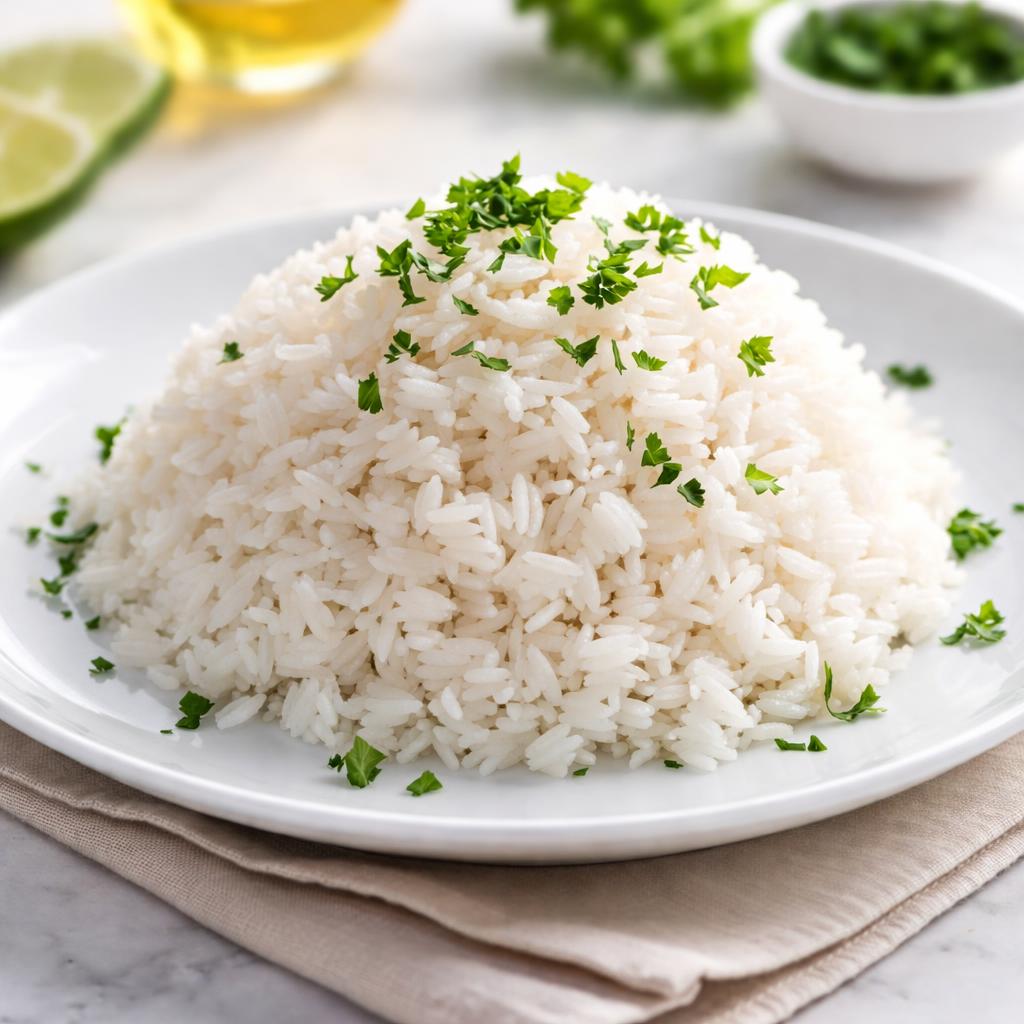
Rice
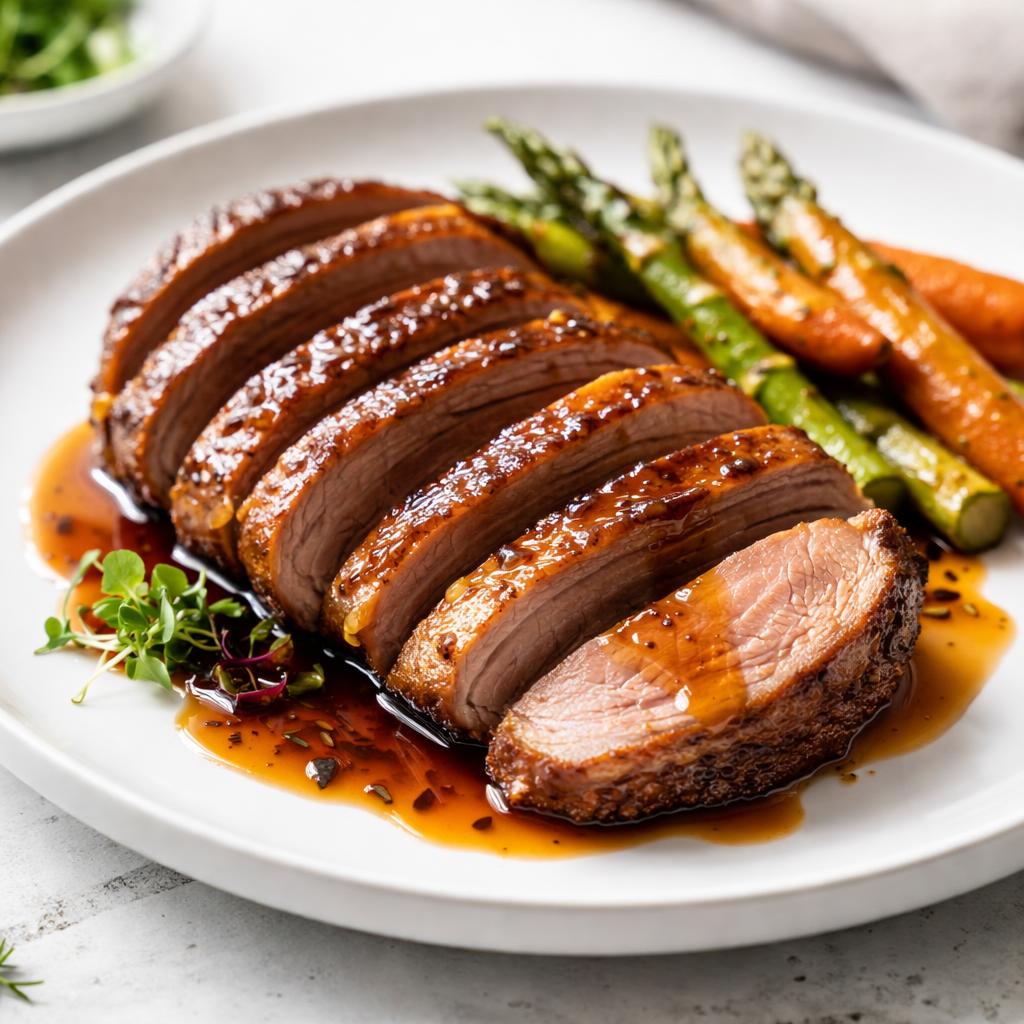
Duck
🎯 Quick Verdict
Rice and duck complement each other nutritionally but serve different purposes. Rice is a carb-rich, low-fat food while duck excels in protein and fat, making it suitable for high-protein diets. Duck provides significantly higher vitamin and mineral content, but rice is lower in calories and offers fiber for digestion, catering to lighter meals and energy needs.

Smart Nutrition Tracking with SnapCalorie

📊 Nutritional Comparison
Macronutrients
| Nutrient | Food 1 | Food 2 | Winner |
|---|---|---|---|
| Calories | 130 (per 100g) | 337 (per 100g) | ✓ |
| Protein | 2.7g | 19g | ✓ |
| Carbs | 28g | 0g | ✓ |
| Fat | 0.3g | 28g | ✓ |
| Fiber | 0.4g | 0g | ✓ |
Vitamins & Minerals
| Nutrient | Food 1 | Food 2 | Winner |
|---|---|---|---|
| Vitamin D | 0mcg | 5.4mcg (27% DV) | ✓ |
| Vitamin B12 | 0mcg | 0.41mcg (17% DV) | ✓ |
| Iron | 0.2mg | 2.7mg (15% DV) | ✓ |
🏆 Category Winners
Protein
Duck contains 600% more protein than rice per serving.
Fiber
Rice has a small amount of fiber, while duck has none.
Calories
Rice has 60% fewer calories than duck.
Vitamins
Duck provides several essential vitamins such as Vitamin D, B12, and iron, which rice lacks.
🥗 Diet Compatibility
Keto
Food 1: Not Compatible
Food 2: Compatible
Rice is high in carbs, while duck is carb-free and fits into keto diets.
Vegan
Food 1: Compatible
Food 2: Not Compatible
Rice is plant-based; duck is an animal product.
Gluten Free
Food 1: Compatible
Food 2: Compatible
Neither contains gluten.
Paleo
Food 1: Not Compatible
Food 2: Compatible
Rice is not suitable for paleo diets, while duck aligns with paleo principles.
Low Carb
Food 1: Not Compatible
Food 2: Compatible
Rice contains 28g of carbs per serving, whereas duck is carb-free.
💪 Health Benefits Comparison
Food 1 Benefits
- Provides a quick source of energy due to high carbohydrate content
- Low in fat, ideal for light meals
- Contains small amounts of fiber for digestive support
Food 2 Benefits
- Rich in protein for muscle building and repair
- High in Vitamin D, supporting bone health and immunity
- Contains healthy fats that can support satiety and energy
✅ The Bottom Line
Choose rice for energy-packed meals and as a carb source, especially if trying to reduce fat intake or need a light digestive option. Duck is better for those on high-protein, low-carb, or keto diets and aims to improve vitamin intake or sustain satiety.
Choose Food 1 for: Quick energy, vegan diets, lower calorie meals
Choose Food 2 for: High-protein diets, keto compatibility, vitamin-rich meals


