Rice VS Dry White Wine
A detailed nutritional comparison
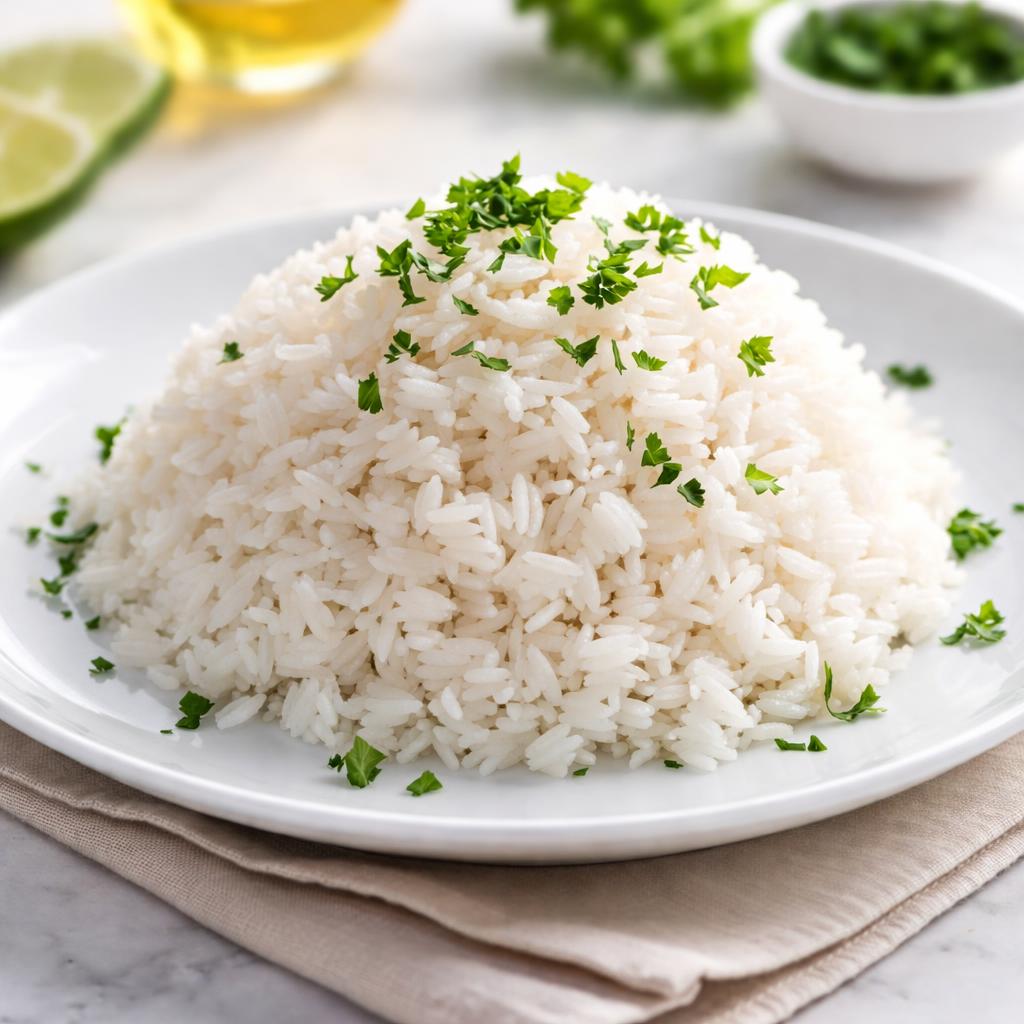
Rice

Dry White Wine
🎯 Quick Verdict
Rice and dry white wine serve completely different dietary purposes. Rice is higher in calories, protein, and fiber, making it a more nutrient-dense food suitable for energy and balanced nutrition. Dry white wine is lower in calories and primarily consumed for enjoyment rather than nutritional benefits, but it provides antioxidants and small amounts of minerals like potassium. Rice is a better option for fueling physical activity, while wine may have limited health benefits in moderation due to antioxidant content.

Smart Nutrition Tracking with SnapCalorie

📊 Nutritional Comparison
Macronutrients
| Nutrient | Food 1 | Food 2 | Winner |
|---|---|---|---|
| Calories | 206 (per cooked cup) | 120 (per 5 oz glass) | ✓ |
| Protein | 4.2g | 0g | ✓ |
| Carbs | 45g | 4g | ✓ |
| Fat | 0.4g | 0g | ✓ |
| Fiber | 0.6g | 0g | ✓ |
Vitamins & Minerals
| Nutrient | Food 1 | Food 2 | Winner |
|---|---|---|---|
| Vitamin D | 0mcg | 0mcg | − |
| Calcium | 10mg | 10mg | − |
| Iron | 0.3mg | 0mg | ✓ |
| Potassium | 55mg | 100mg | ✓ |
🏆 Category Winners
Protein
Rice contains 4.2g of protein per serving, whereas dry white wine contains none.
Fiber
Rice provides fiber for digestion, while wine has no fiber content.
Calories
Dry white wine has lower calorie content than rice.
Vitamins
Both foods provide small amounts of calcium, but other vitamin contributions are negligible.
🥗 Diet Compatibility
Keto
Food 1: Not Compatible
Food 2: Compatible
Rice is high-carb (45g per serving), while dry white wine is low-carb (4g per serving).
Vegan
Food 1: Compatible
Food 2: Compatible
Both foods are plant-based and suitable for vegans.
Gluten Free
Food 1: Compatible
Food 2: Compatible
Neither rice nor dry white wine contains gluten.
Paleo
Food 1: Compatible
Food 2: Not Compatible
Rice is an acceptable grain for some paleo diets, while alcohol is typically avoided.
Low-Carb
Food 1: Not Compatible
Food 2: Compatible
Rice is rich in carbs, making it unsuitable for low-carb diets; wine has minimal carbs.
💪 Health Benefits Comparison
Food 1 Benefits
- Provides sustained energy from carbohydrates
- Contains small amounts of iron for oxygen transport
- Low in fat, making it suitable for heart-healthy diets
- Gluten-free and hypoallergenic, suitable for most individuals
Food 2 Benefits
- Provides antioxidants like resveratrol, which can promote heart health
- Low-carb and low-calorie for general weight management
- Contains small amounts of potassium for electrolyte balance
- May reduce stress when consumed in moderation
✅ The Bottom Line
Choose rice when you need a nutrient-dense food for energy, balanced macros, and fueling physical activity. Dry white wine can be enjoyed occasionally as a low-calorie beverage with antioxidant benefits, but it is not nutritionally complete. Rice is better suited for a meal, while wine complements social or celebratory occasions.
Choose Food 1 for: Sustained energy, balanced nutrition, gluten-free diets, high-carb intake
Choose Food 2 for: Low-carb diets, social occasions, relaxation, moderate antioxidant intake


