Rice VS Drink
A detailed nutritional comparison
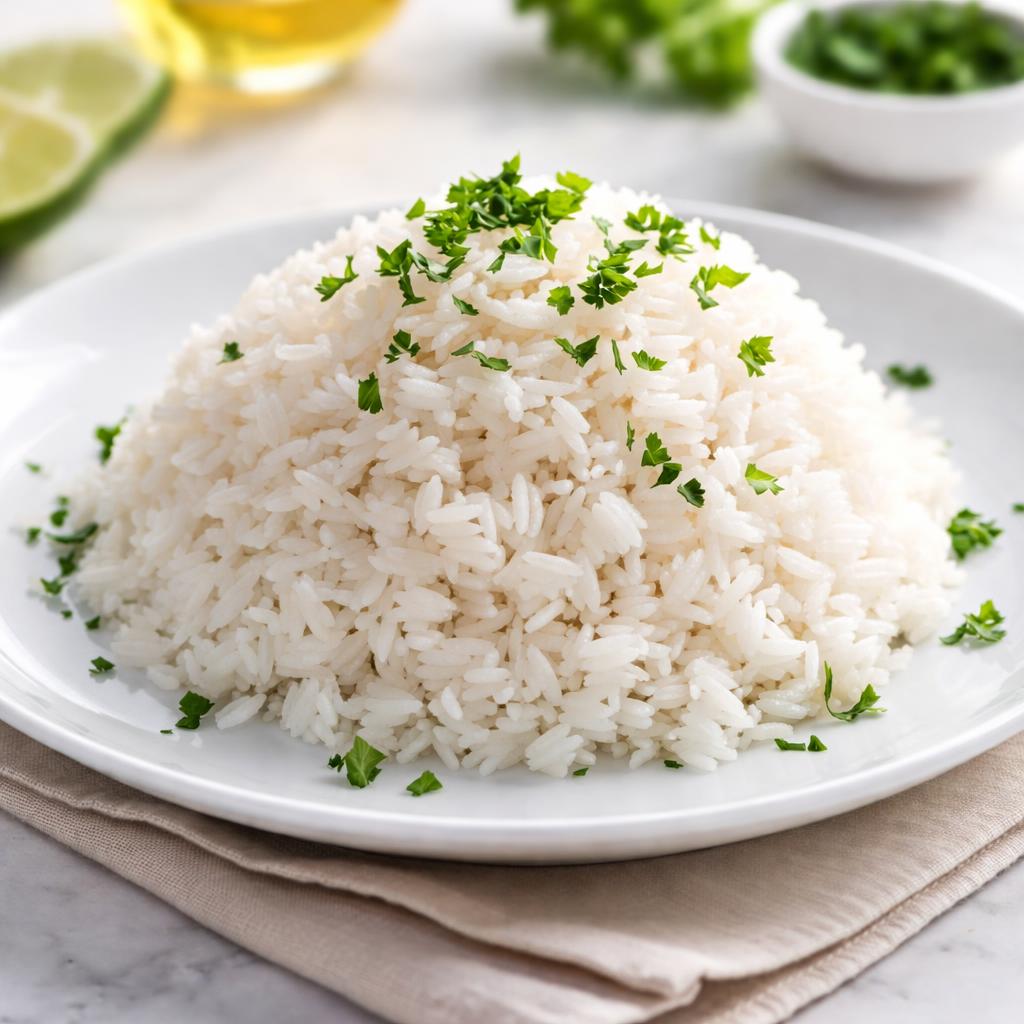
Rice
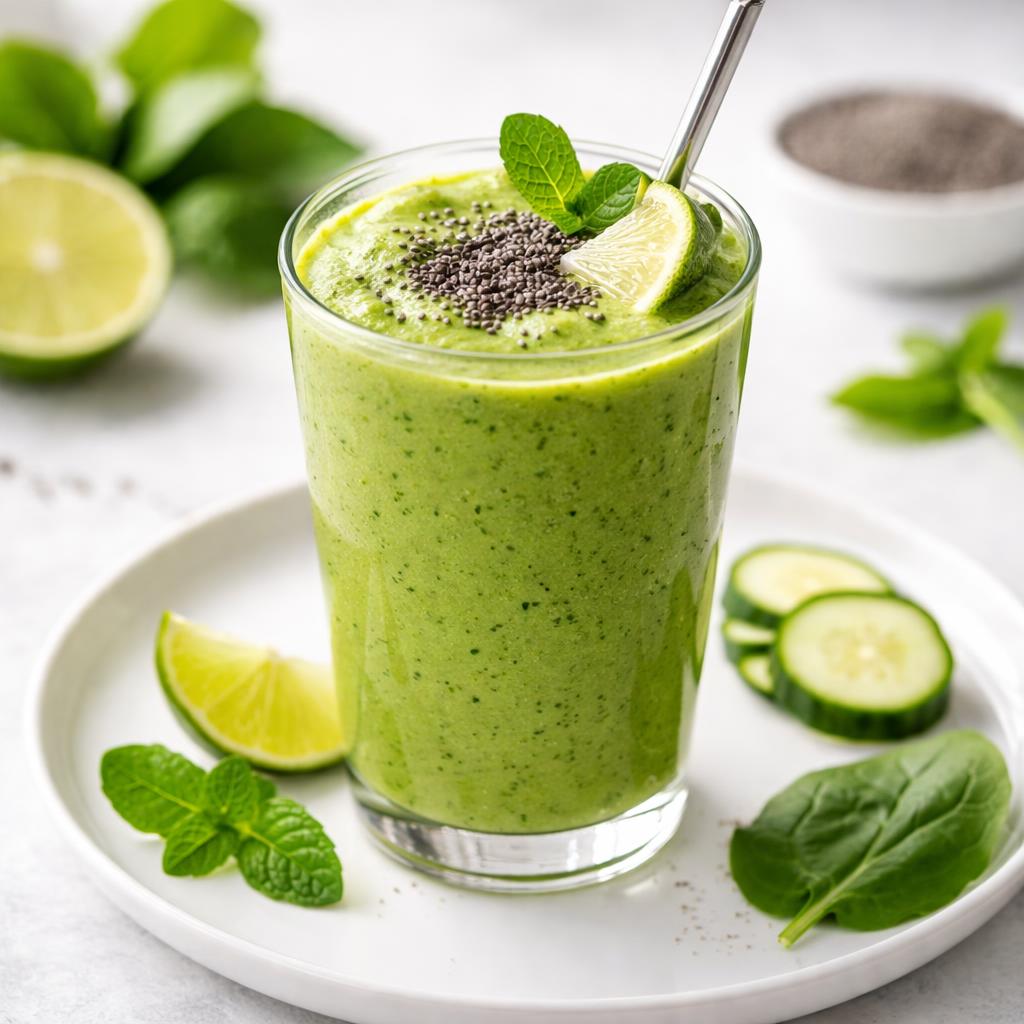
Drink
🎯 Quick Verdict
Rice is more nutrient-dense with significant protein, fiber, and vitamins, making it a better option for a balanced meal. A standard drink offers fewer calories, but typically lacks macronutrients and is primarily hydrating, making it better suited as a beverage or snack companion.

Smart Nutrition Tracking with SnapCalorie

📊 Nutritional Comparison
Macronutrients
| Nutrient | Food 1 | Food 2 | Winner |
|---|---|---|---|
| Calories | 205 | 50 | ✓ |
| Protein | 4.3g | 0g | ✓ |
| Carbs | 44g | 12g | ✓ |
| Fat | 0.4g | 0g | ✓ |
| Fiber | 0.6g | 0g | ✓ |
Vitamins & Minerals
| Nutrient | Food 1 | Food 2 | Winner |
|---|---|---|---|
| Vitamin D | 0mcg | 0mcg | − |
| Calcium | 10mg | 20mg | ✓ |
| Iron | 0.4mg | 0mg | ✓ |
🏆 Category Winners
Protein
Rice provides 4.3g of protein, whereas the drink has none.
Fiber
Rice contains 0.6g of fiber, essential for digestion, while the drink has no fiber.
Calories
The drink is significantly lower in calories (50 vs. 205).
🥗 Diet Compatibility
Keto
Food 1: Not Compatible
Food 2: Compatible
Rice is high in carbs (44g per serving), whereas the drink is low-carb.
Vegan
Food 1: Compatible
Food 2: Compatible
Both foods are plant-based and suitable for vegan diets.
Gluten Free
Food 1: Compatible
Food 2: Compatible
Neither contains gluten.
Paleo
Food 1: Compatible
Food 2: Not Compatible
Rice fits paleo guidelines, but many drinks (especially fortified or sweetened ones) may not.
Low Carb
Food 1: Not Compatible
Food 2: Compatible
Rice is high-carb, while the drink is low-carb, making it suitable for low-carb diets.
💪 Health Benefits Comparison
Food 1 Benefits
- Provides complex carbohydrates for sustained energy
- Contains protein for muscle repair and maintenance
- Low in fat and cholesterol
Food 2 Benefits
- Hydrating and low-calorie option
- May provide calcium for bone health (if fortified)
- Accessible energy source with minimal digestion effort
✅ The Bottom Line
Rice is the better choice for a filling, nutrient-dense meal, offering protein, fiber, and complex carbohydrates. The drink is a lower-calorie hydrating option, but lacks significant nutritional benefits and works better alongside meals or as a light refreshment.
Choose Food 1 for: Balanced meals, energy provision, muscle repair
Choose Food 2 for: Hydration, low-calorie diets, snacks


