Rice VS Dill Pickle
A detailed nutritional comparison
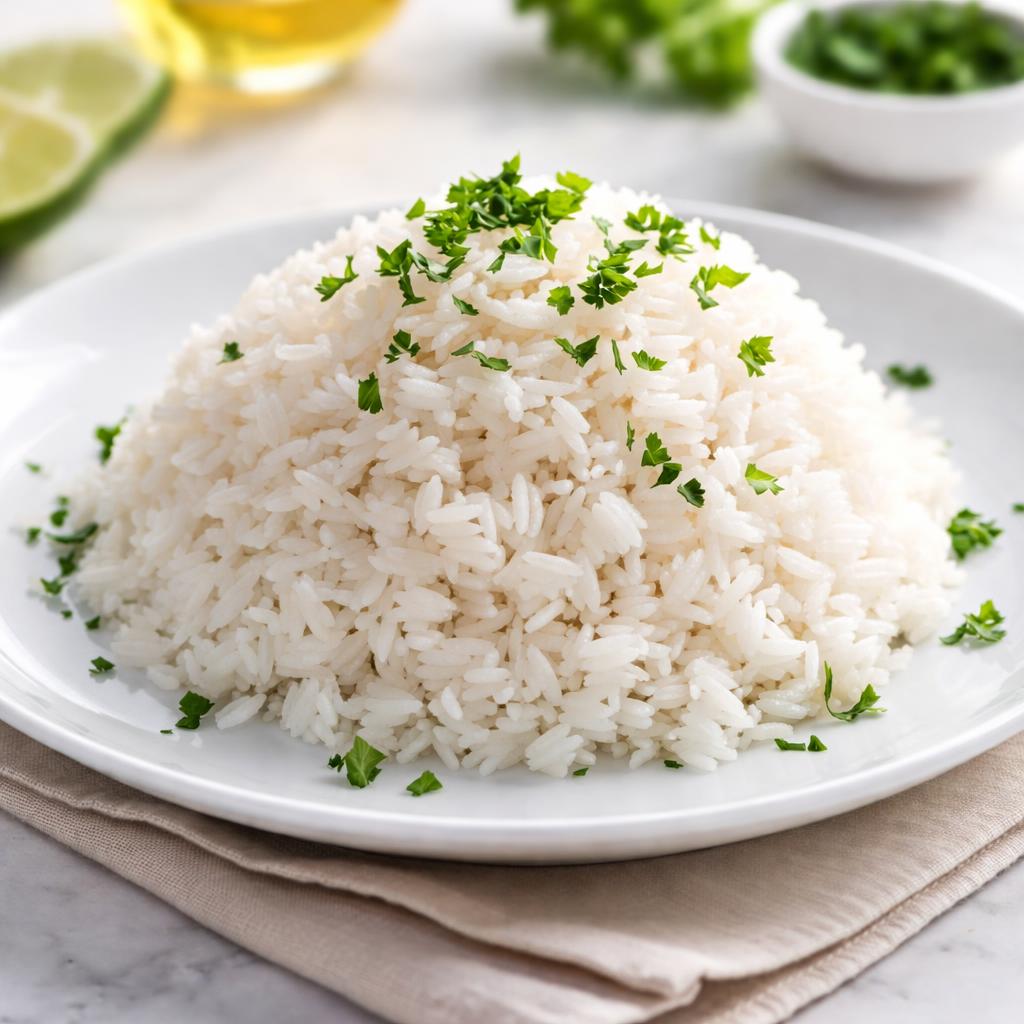
Rice
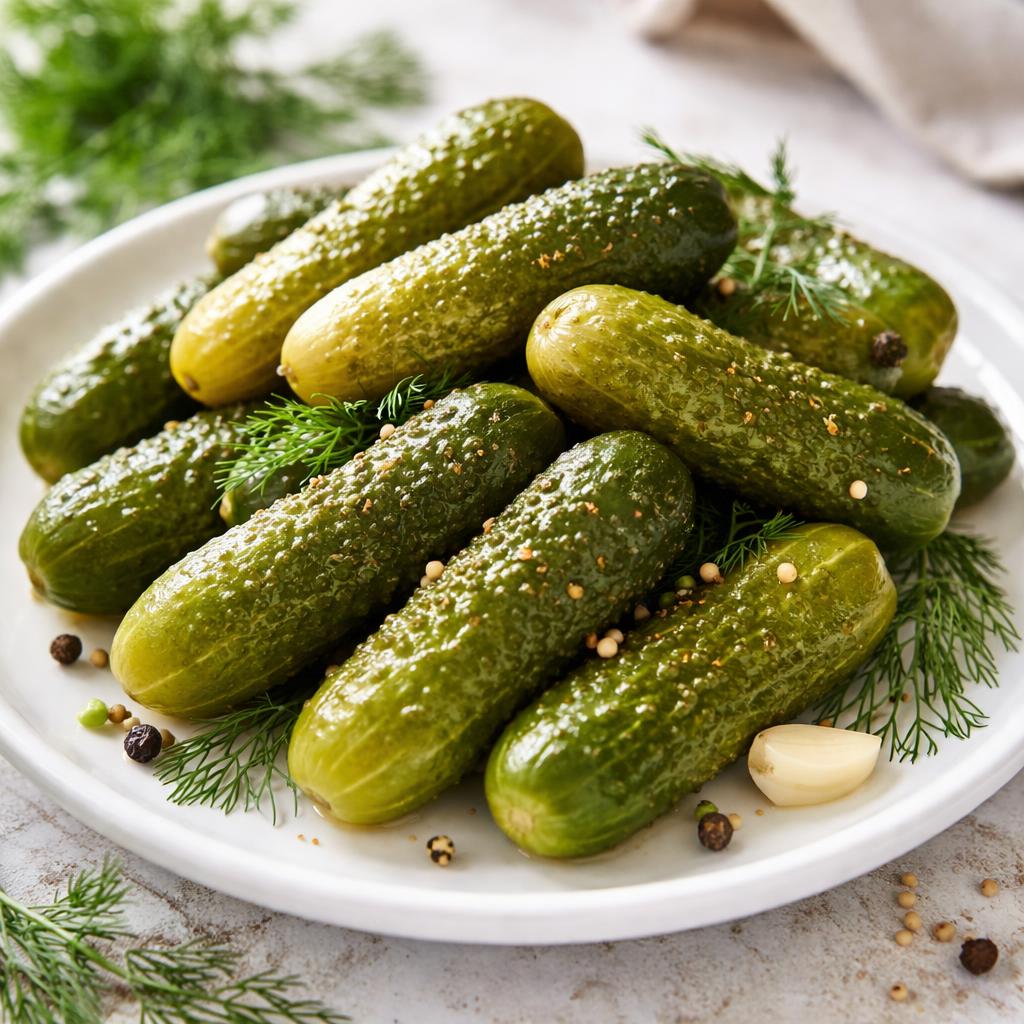
Dill Pickle
🎯 Quick Verdict
Rice is a high-carb staple that provides energy and moderate amounts of protein. Dill pickles, on the other hand, are very low in calories and offer fiber and hydration alongside essential minerals like sodium. Rice is great for fueling activities and meals, while dill pickles work well as a low-calorie snack or flavor enhancer.

Smart Nutrition Tracking with SnapCalorie

📊 Nutritional Comparison
Macronutrients
| Nutrient | Food 1 | Food 2 | Winner |
|---|---|---|---|
| Calories | 206 | 12 | ✓ |
| Protein | 4.3g | 0.2g | ✓ |
| Carbs | 44.5g | 2.26g | ✓ |
| Fat | 0.4g | 0.1g | ✓ |
| Fiber | 0.6g | 1g | ✓ |
Vitamins & Minerals
| Nutrient | Food 1 | Food 2 | Winner |
|---|---|---|---|
| Vitamin C | 0mg | 2mg | ✓ |
| Calcium | 20mg | 25mg | ✓ |
| Iron | 1.79mg | 0.43mg | ✓ |
🏆 Category Winners
Protein
Rice has significantly more protein per serving than dill pickles.
Fiber
Dill pickles contain almost double the fiber content of rice per serving.
Calories
Dill pickles are extremely low in calories compared to rice.
Vitamins
Dill pickles provide more vitamin C and calcium per serving.
🥗 Diet Compatibility
Keto
Food 1: Not Compatible
Food 2: Compatible
Dill pickles are very low carb, while rice is high in carbohydrates.
Vegan
Food 1: Compatible
Food 2: Compatible
Both foods are plant-based and suitable for vegan diets.
Gluten Free
Food 1: Compatible
Food 2: Compatible
Neither contains gluten, making them suitable for gluten-free diets.
Paleo
Food 1: Not Compatible
Food 2: Compatible
Rice is a grain and not allowed on paleo diets, but dill pickles are allowed.
Low-Carb
Food 1: Not Compatible
Food 2: Compatible
Rice is high in carbs, while dill pickles are very low-carb.
💪 Health Benefits Comparison
Food 1 Benefits
- Provides energy through complex carbohydrates
- Moderate protein content supporting muscle repair and maintenance
- Source of iron, beneficial for oxygen transport in the body
Food 2 Benefits
- Very low in calories, ideal for calorie-conscious diets
- Good source of hydration due to high water content
- Contains fiber, promoting digestion and gut health
- Provides minerals like calcium and vitamin C, supporting bone and immune health
✅ The Bottom Line
Rice is best for energy-demanding meals and diets needing more substantial caloric and macronutrient intake, making it ideal for athletes and those seeking to gain weight or fuel active lifestyles. Dill pickles excel as a low-calorie snack, hydration booster, or flavor enhancer for low-carb and weight management diets.
Choose Food 1 for: Energy-boosting meals, weight gain, active lifestyle fueling
Choose Food 2 for: Low-calorie diets, hydration, snacks, heart health


