Rice VS Dates
A detailed nutritional comparison
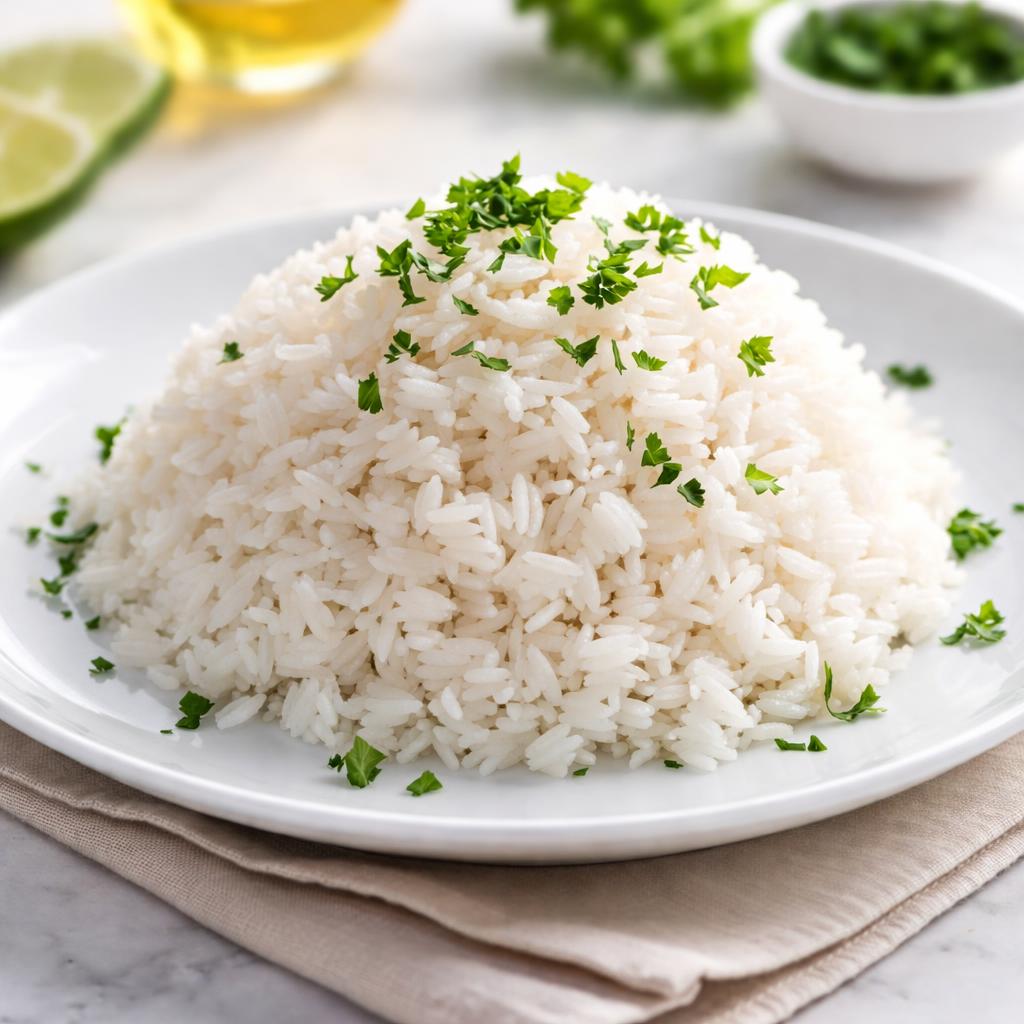
Rice
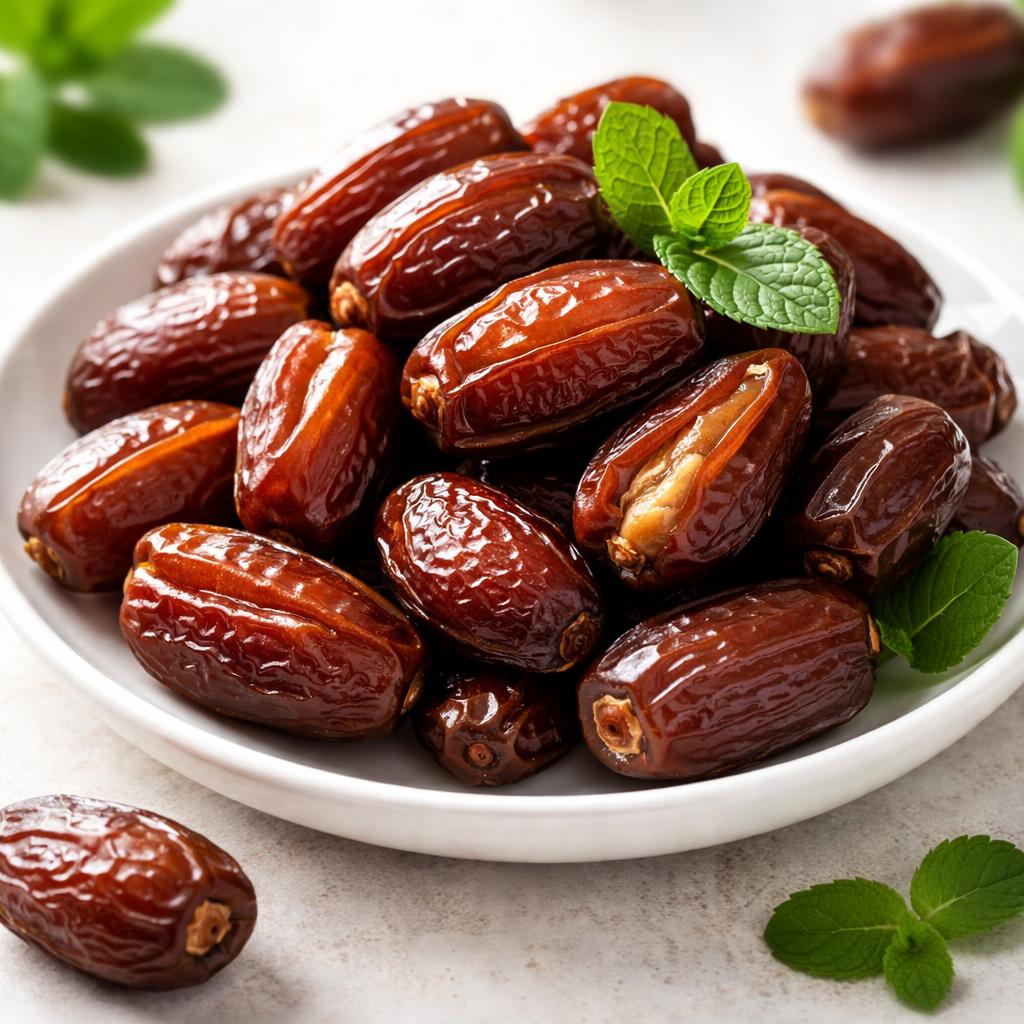
Dates
🎯 Quick Verdict
Rice is lower in calories and provides slightly more protein, making it a better option for low-calorie and higher-protein diets. However, dates are packed with fiber, antioxidants, and natural sugars, ideal for quick energy and digestive health. Choose rice for versatility in meals or dates for a nutritious snack or energy boost.

Smart Nutrition Tracking with SnapCalorie

📊 Nutritional Comparison
Macronutrients
| Nutrient | Food 1 | Food 2 | Winner |
|---|---|---|---|
| Calories | 130 (per 100g cooked white rice) | 277 (per 100g) | − |
| Protein | 2.7g | 1.8g | − |
| Carbs | 28g | 75g | − |
| Fat | 0.3g | 0.2g | − |
| Fiber | 0.5g | 6.7g | − |
Vitamins & Minerals
| Nutrient | Food 1 | Food 2 | Winner |
|---|---|---|---|
| Vitamin A | 0mcg | 149IU | − |
| Vitamin C | 0mg | 0.4mg | − |
| Iron | 0.2mg | 0.9mg | − |
| Calcium | 10mg | 14mg | − |
🏆 Category Winners
Protein
Rice contains 50% more protein per serving compared to dates.
Fiber
Dates provide 13x more fiber than rice, aiding digestive health.
Calories
Rice has less than half the calories of dates per 100g.
Vitamins
Dates are richer in iron, calcium, and Vitamin A compared to rice.
🥗 Diet Compatibility
Keto
Food 1: Not Compatible
Food 2: Not Compatible
Both are high in carbohydrates and not suitable for keto diets.
Vegan
Food 1: Compatible
Food 2: Compatible
Both foods are plant-based and vegan-friendly.
Gluten Free
Food 1: Compatible
Food 2: Compatible
Neither rice nor dates contain gluten.
Paleo
Food 1: Compatible
Food 2: Compatible
Both foods are considered appropriate for paleo diets.
Low-Carb
Food 1: Not Compatible
Food 2: Not Compatible
Both foods are high in carbohydrates and do not align with low-carb diets.
💪 Health Benefits Comparison
Food 1 Benefits
- Provides a stable source of energy due to complex carbohydrates
- Low in fat for a heart-friendly diet
- Versatile base for meals to balance macronutrients
Food 2 Benefits
- Rich in fiber for improved digestion and gut health
- High in natural sugars for a quick energy boost
- Contains antioxidants that support cell health and immunity
✅ The Bottom Line
Rice is a better option for low-calorie diets, protein intake, and meal versatility, while dates are an excellent choice for fiber, quick energy, and antioxidant benefits. Both are nutritious in their own regard depending on the dietary goal.
Choose Food 1 for: Weight management, balanced meals, post-workout carb replenishment
Choose Food 2 for: Digestive health, energy boost, nutrient-dense snacking


