Rice VS Daal
A detailed nutritional comparison
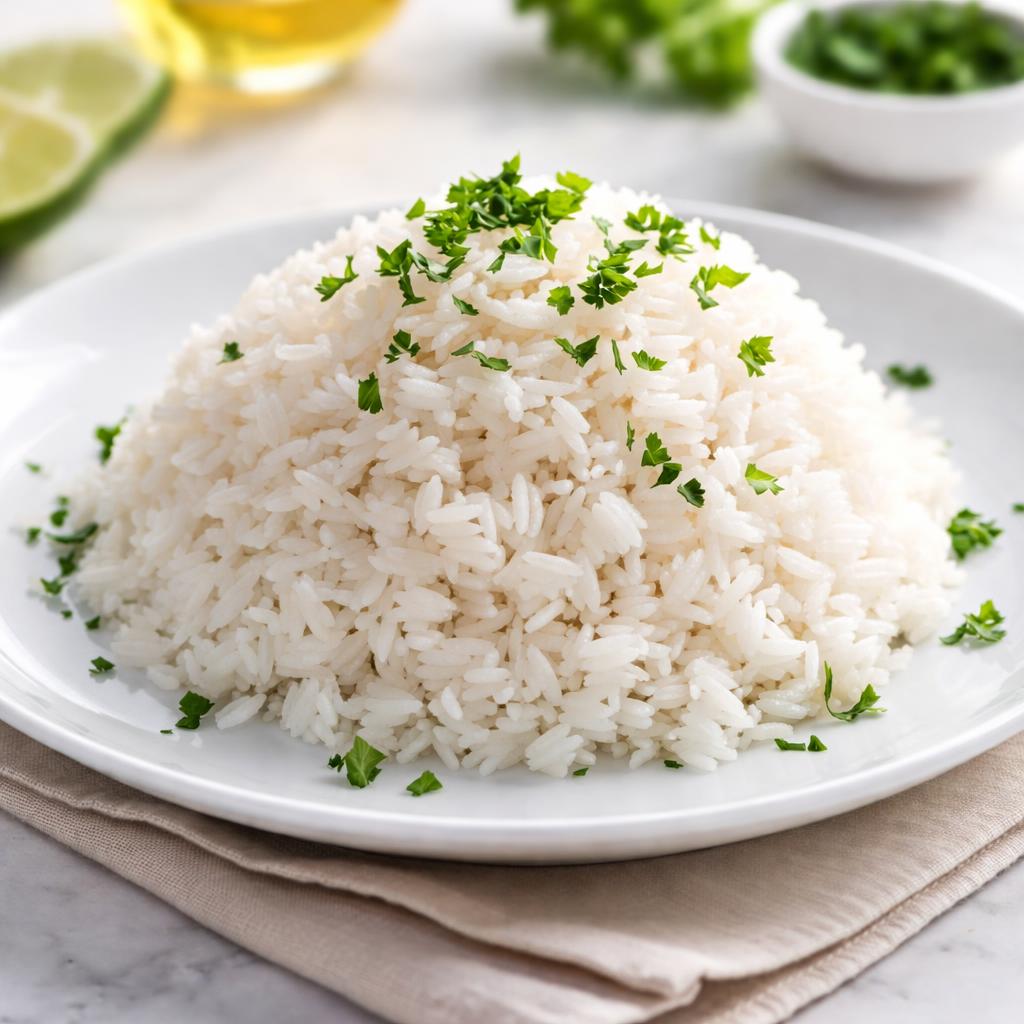
Rice
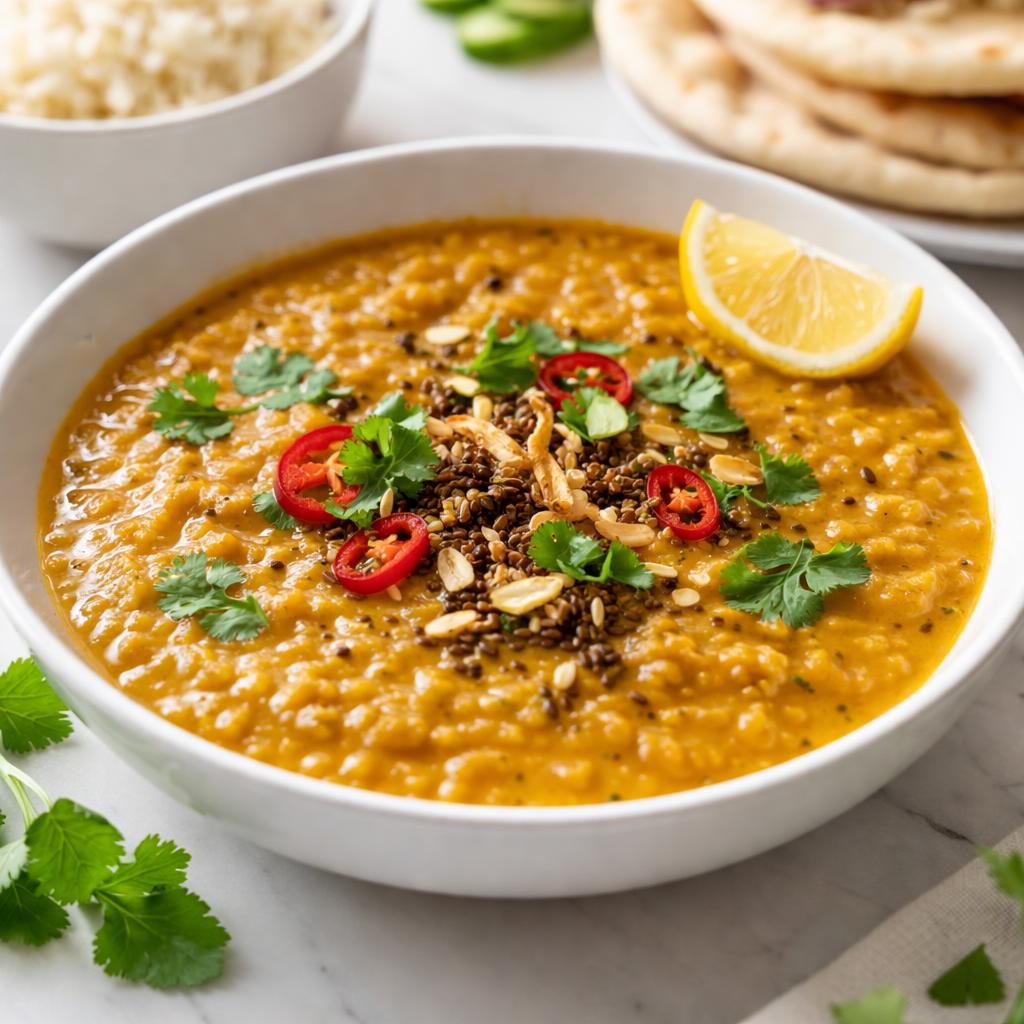
Daal
🎯 Quick Verdict
Rice and daal are complementary staples in many diets, with rice offering a low-calorie, high-carb energy source and daal being rich in protein and fiber. Daal is the better overall option for nutritional density, while rice works well for quick energy and lighter meals. Together, they form a balanced meal supplying essential macronutrients and vitamins.

Smart Nutrition Tracking with SnapCalorie

📊 Nutritional Comparison
Macronutrients
| Nutrient | Food 1 | Food 2 | Winner |
|---|---|---|---|
| Calories | 130 kcal (1/2 cup cooked) | 116 kcal (1/2 cup cooked) | ✓ |
| Protein | 2.7g | 6g | ✓ |
| Carbs | 28.2g | 20.1g | ✓ |
| Fat | 0.3g | 0.4g | − |
| Fiber | 0.4g | 4g | ✓ |
Vitamins & Minerals
| Nutrient | Food 1 | Food 2 | Winner |
|---|---|---|---|
| Vitamin D | 0mcg | 0mcg | − |
| Calcium | 10mg | 30mg | ✓ |
| Iron | 0.2mg | 3mg | ✓ |
🏆 Category Winners
Protein
Daal has over twice the protein content compared to rice (6g vs. 2.7g).
Fiber
Daal provides 10 times more fiber than rice (4g vs. 0.4g).
Calories
Although slightly lower-calorie, daal is nutritionally superior while providing fewer calories.
🥗 Diet Compatibility
Keto
Food 1: Not Compatible
Food 2: Not Compatible
Both are carb-heavy and therefore unsuitable for keto diets.
Vegan
Food 1: Compatible
Food 2: Compatible
Both rice and daal are plant-based and vegan-friendly.
Gluten Free
Food 1: Compatible
Food 2: Compatible
Neither food contains gluten.
Paleo
Food 1: Not Compatible
Food 2: Compatible
Rice is not acceptable for paleo diets, but daal (lentils) can be included in modified paleo approaches.
Low-Carb
Food 1: Not Compatible
Food 2: Not Compatible
Both foods are high in carbohydrates and not suitable for low-carb diets.
💪 Health Benefits Comparison
Food 1 Benefits
- Good source of quick energy due to high carbohydrate content
- Easily digestible, making it suitable for sensitive stomachs
- Low in fat and sodium
Food 2 Benefits
- Rich in plant-based protein for muscle repair and growth
- High fiber content supports digestion and gut health
- Contains essential minerals such as iron and calcium
✅ The Bottom Line
Daal is the more nutrient-dense option, offering higher protein, fiber, and essential minerals, making it ideal for balanced meals, promoting gut health, and muscle recovery. Rice, on the other hand, is better for quick energy and lighter meals but lacks nutritional density. Pairing them together creates a wholesome, balanced dish.
Choose Food 1 for: Quick energy, easy-to-digest meals, lighter calorie options
Choose Food 2 for: Protein-rich meals, fiber support, maintaining overall nutrition


