Rice VS Couscous
A detailed nutritional comparison
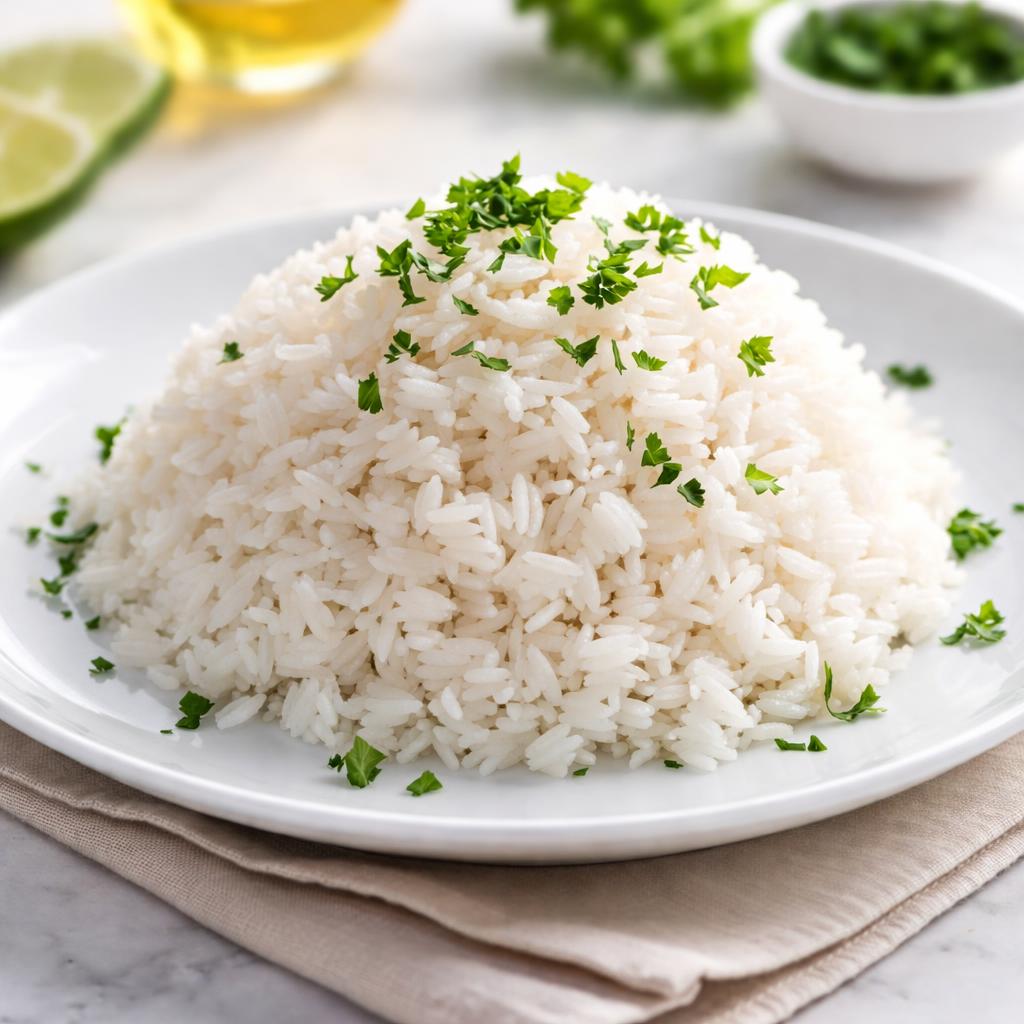
Rice
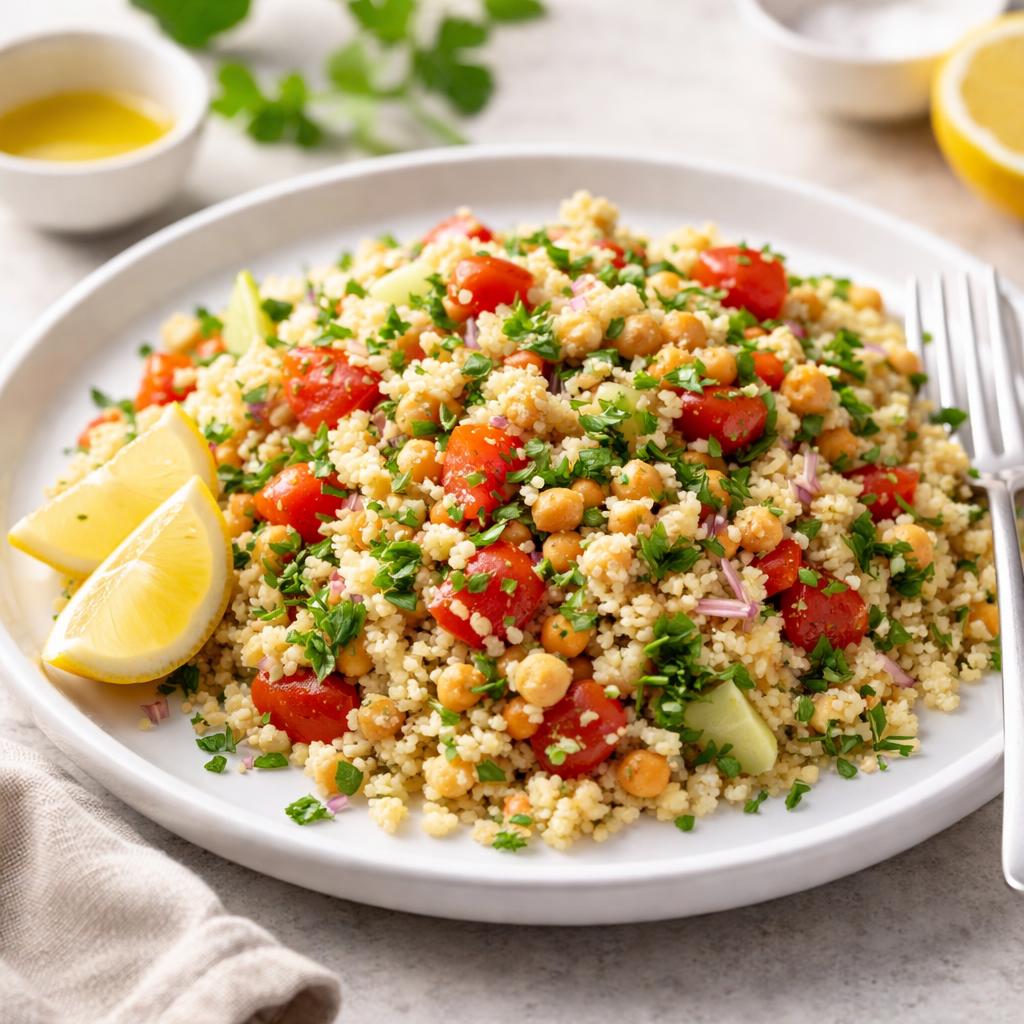
Couscous
🎯 Quick Verdict
Rice and couscous are both versatile staples, but they differ nutritionally. Rice is lower in calories and has a higher carb content, making it suitable for energy-intensive activities. Couscous, on the other hand, offers slightly more protein and fiber, making it better for digestion and muscle recovery. Both are excellent options depending on dietary priorities.

Smart Nutrition Tracking with SnapCalorie

📊 Nutritional Comparison
Macronutrients
| Nutrient | Food 1 | Food 2 | Winner |
|---|---|---|---|
| Calories | 130 per 100g cooked | 175 per 100g cooked | − |
| Protein | 2.7g per 100g | 3.8g per 100g | − |
| Carbs | 28g per 100g | 36g per 100g | − |
| Fat | 0.3g per 100g | 0.25g per 100g | − |
| Fiber | 0.4g per 100g | 1.2g per 100g | − |
Vitamins & Minerals
| Nutrient | Food 1 | Food 2 | Winner |
|---|---|---|---|
| Vitamin B6 | 0.09mg per 100g | 0.11mg per 100g | − |
| Thiamin (Vitamin B1) | 0.02mg per 100g | 0.05mg per 100g | − |
| Iron | 0.28mg per 100g | 0.6mg per 100g | − |
🏆 Category Winners
Protein
Couscous provides 40% more protein compared to rice, making it better for muscle maintenance.
Fiber
Couscous has 3x more fiber than rice, supporting better digestion.
Calories
Rice is lower in calories, making it more suitable for calorie-conscious diets.
Vitamins
Couscous offers higher levels of B vitamins and minerals like iron.
🥗 Diet Compatibility
Keto
Food 1: Not Compatible
Food 2: Not Compatible
Both rice and couscous are high-carb and unsuitable for ketogenic diets.
Vegan
Food 1: Compatible
Food 2: Compatible
Both foods are plant-based and vegan-friendly.
Gluten Free
Food 1: Compatible
Food 2: Not Compatible
Rice is naturally gluten-free, while couscous is made from wheat and contains gluten.
Paleo
Food 1: Not Compatible
Food 2: Not Compatible
Neither rice nor couscous is considered paleo due to their grain-based nature.
Low Carb
Food 1: Not Compatible
Food 2: Not Compatible
Both foods are too high in carbohydrate content for traditional low-carb diets.
💪 Health Benefits Comparison
Food 1 Benefits
- Provides quick energy due to high carbohydrate content
- Naturally gluten-free, ideal for those with gluten intolerance
- A versatile grain that pairs well with a variety of foods
Food 2 Benefits
- Higher fiber content supports digestion
- Contains more protein for muscle repair and maintenance
- Rich in B vitamins and iron for energy production and blood health
✅ The Bottom Line
Rice is a better choice for those looking to lower calorie intake while maintaining energy levels, particularly for high-carb meal plans. Couscous, with its higher protein and fiber content, is ideal for muscle recovery and digestive support. Both are versatile staples that can fit different dietary priorities.
Choose Food 1 for: Calorie-conscious diets, gluten-free meals, energy boost
Choose Food 2 for: Muscle maintenance, digestion, and nutrient-rich diets


