Rice VS Cous Cous
A detailed nutritional comparison

Rice
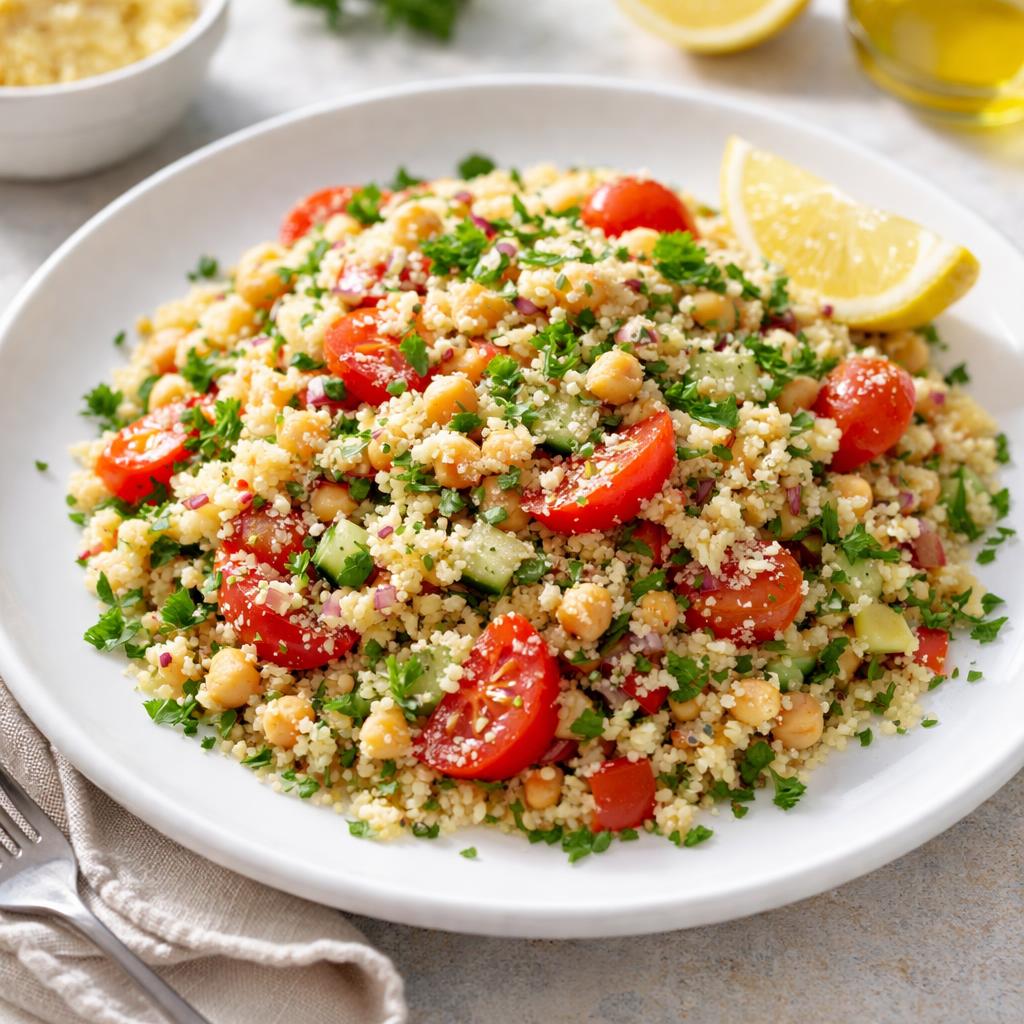
Cous Cous
🎯 Quick Verdict
Rice and couscous are both versatile grains commonly used as bases in meals, but they differ in their nutritional profiles. Couscous offers slightly more protein and fiber, making it a better option for sustained energy and digestive health, while rice is lower in calories and carbs, which can be helpful for weight management or lower-carb diets overall.

Smart Nutrition Tracking with SnapCalorie

📊 Nutritional Comparison
Macronutrients
| Nutrient | Food 1 | Food 2 | Winner |
|---|---|---|---|
| Calories | 130 | 176 | ✓ |
| Protein | 2.7g | 5.95g | ✓ |
| Carbs | 28.2g | 36g | ✓ |
| Fat | 0.3g | 0.25g | ✓ |
| Fiber | 0.4g | 2.3g | ✓ |
Vitamins & Minerals
| Nutrient | Food 1 | Food 2 | Winner |
|---|---|---|---|
| Vitamin B6 | 0.1mg | 0.025mg | ✓ |
| Magnesium | 12mg | 8mg | ✓ |
| Iron | 0.2mg | 0.38mg | ✓ |
🏆 Category Winners
Protein
Couscous provides more than double the protein per serving compared to rice.
Fiber
Couscous offers significantly more fiber, supporting digestion.
Calories
Rice is lower in calories, which may aid in weight management.
Vitamins
Rice has slightly more Vitamin B6 and magnesium, beneficial for metabolism and muscle function.
🥗 Diet Compatibility
Keto
Food 1: Not Compatible
Food 2: Not Compatible
Both foods are high in carbohydrates, exceeding typical keto allowances.
Vegan
Food 1: Compatible
Food 2: Compatible
Both rice and couscous are plant-based and fit into vegan diets.
Gluten Free
Food 1: Compatible
Food 2: Not Compatible
Rice naturally contains no gluten, while couscous, made from wheat, is not gluten-free.
Paleo
Food 1: Not Compatible
Food 2: Not Compatible
Both foods are processed grains and not compliant with a strict paleo diet.
Low-Carb
Food 1: Better Option
Food 2: Not Ideal
Rice has fewer carbohydrates per serving compared to couscous.
💪 Health Benefits Comparison
Food 1 Benefits
- Low in fat, supporting heart health
- Moderate calorie count for weight management
- Contains magnesium to support muscle and nerve function
Food 2 Benefits
- Higher protein content for muscle repair and energy
- Rich in fiber to promote digestion and satiety
- Contains iron, aiding oxygen transport in the body
✅ The Bottom Line
Choose rice if you need a lower-calorie base and are following gluten-free or low-carb diets. Opt for couscous if you seek higher protein and fiber for sustained energy and digestive health. Both are versatile and suitable for vegan diets.
Choose Food 1 for: Weight management, gluten-free diets, simple side dishes
Choose Food 2 for: High-fiber diets, protein boosts, hearty meals


