Rice VS Coffee
A detailed nutritional comparison
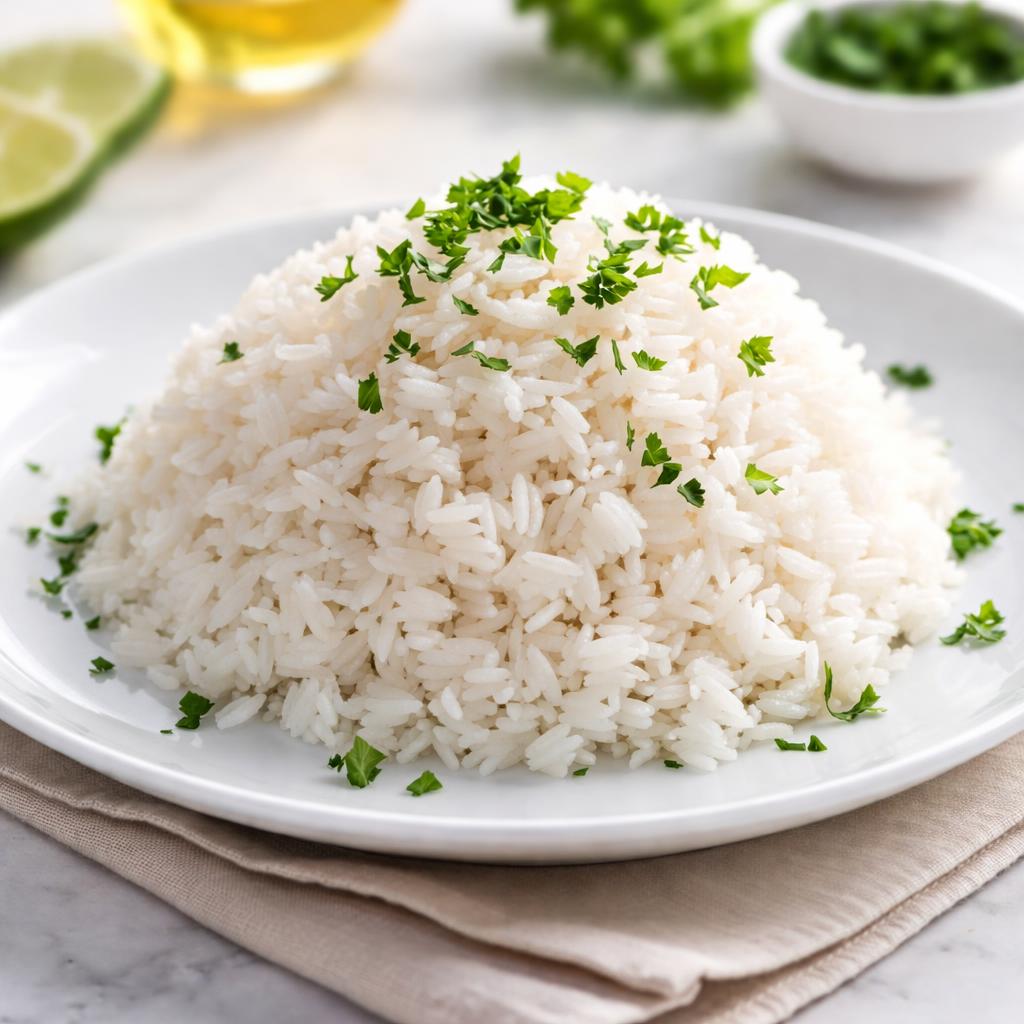
Rice

Coffee
🎯 Quick Verdict
Rice and coffee serve vastly different roles in a diet. Rice is calorie-dense and provides complex carbohydrates, making it ideal for energy and satiety. Coffee is nearly calorie-free and rich in antioxidants, beneficial for mental alertness and heart health. Choose rice for meals and coffee for a low-calorie beverage option with added health benefits.

Smart Nutrition Tracking with SnapCalorie

📊 Nutritional Comparison
Macronutrients
| Nutrient | Food 1 | Food 2 | Winner |
|---|---|---|---|
| Calories | 130 (per 100g cooked) | 2 (per cup) | ✓ |
| Protein | 2.7g | 0g | − |
| Carbs | 28g | 0g | ✓ |
| Fat | 0.3g | 0g | ✓ |
| Fiber | 0.4g | 0g | ✓ |
Vitamins & Minerals
| Nutrient | Food 1 | Food 2 | Winner |
|---|---|---|---|
| Vitamin D | 0mcg | 0mcg | − |
| Calcium | 10mg | 4mg | ✓ |
| Iron | 0.2mg | 0mg | ✓ |
🏆 Category Winners
Protein
Both foods are low in protein.
Fiber
Rice provides modest fiber compared to coffee's lack of fiber.
Calories
Coffee is nearly calorie-free compared to rice's 130 calories per 100g cooked.
Vitamins
Rice offers slightly more vitamins and minerals overall, including calcium and iron.
🥗 Diet Compatibility
Keto
Food 1: Not Compatible
Food 2: Compatible
Rice contains high carbs while coffee contains none.
Vegan
Food 1: Compatible
Food 2: Compatible
Both are plant-based.
Gluten Free
Food 1: Compatible
Food 2: Compatible
Neither rice nor coffee contains gluten.
Paleo
Food 1: Compatible
Food 2: Compatible
Both can fit within paleo guidelines.
Low Carb
Food 1: Not Compatible
Food 2: Compatible
Rice is carb-heavy while coffee is carb-free.
💪 Health Benefits Comparison
Food 1 Benefits
- Provides a reliable source of energy from complex carbohydrates
- Low in fat and cholesterol-free
- Contains small amounts of essential minerals such as iron and calcium
Food 2 Benefits
- Rich in antioxidants like polyphenols, which support heart health
- Improves mental alertness and focus thanks to caffeine
- Contains almost no calories, making it suitable for weight management
✅ The Bottom Line
Rice and coffee cater to different dietary needs. Rice is better for meal prep, offering energy and minor nutrients, while coffee serves as a calorie-free beverage that boosts antioxidants and mental clarity. Use rice to fuel physical activity while incorporating coffee for focus and heart health benefits.
Choose Food 1 for: Energy for physical activity, balanced meals, weight maintenance
Choose Food 2 for: Mental focus, antioxidant boost, weight loss


