Rice VS Coconut Milk
A detailed nutritional comparison
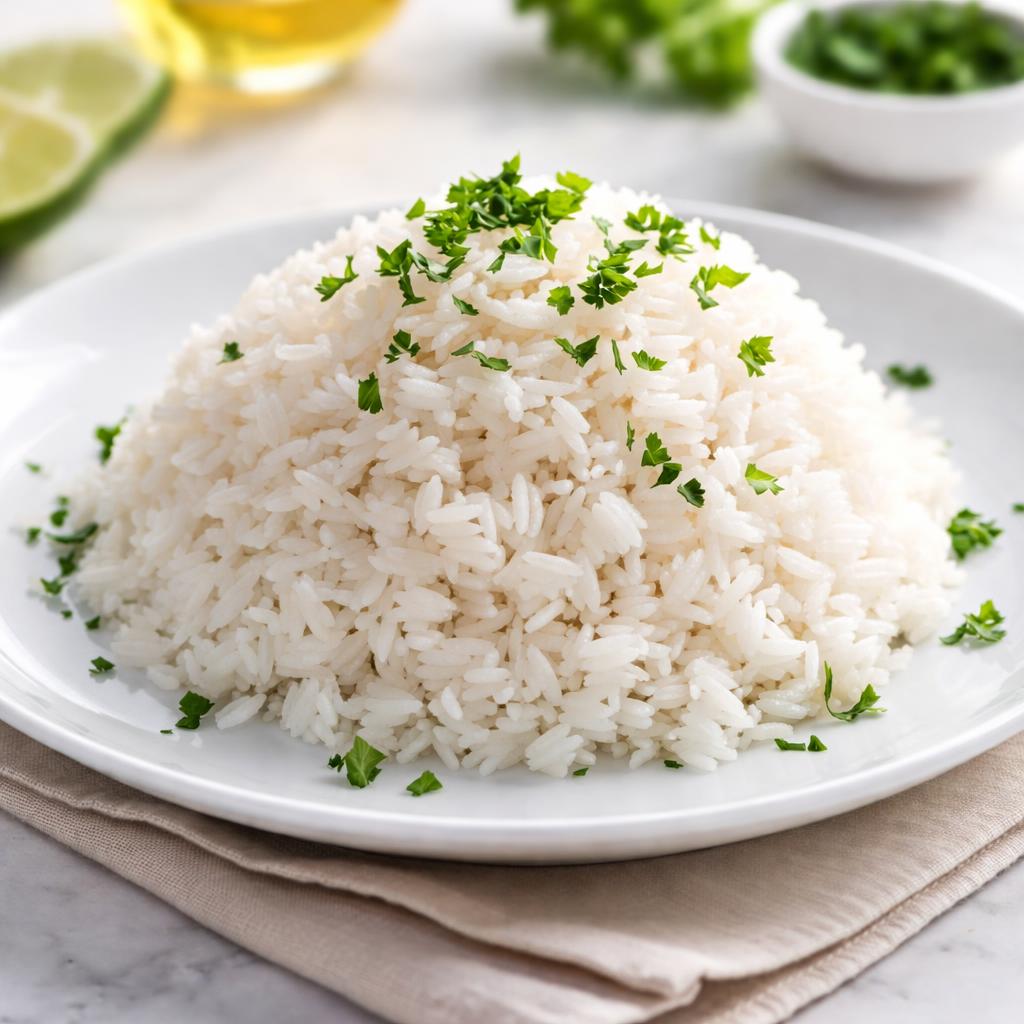
Rice
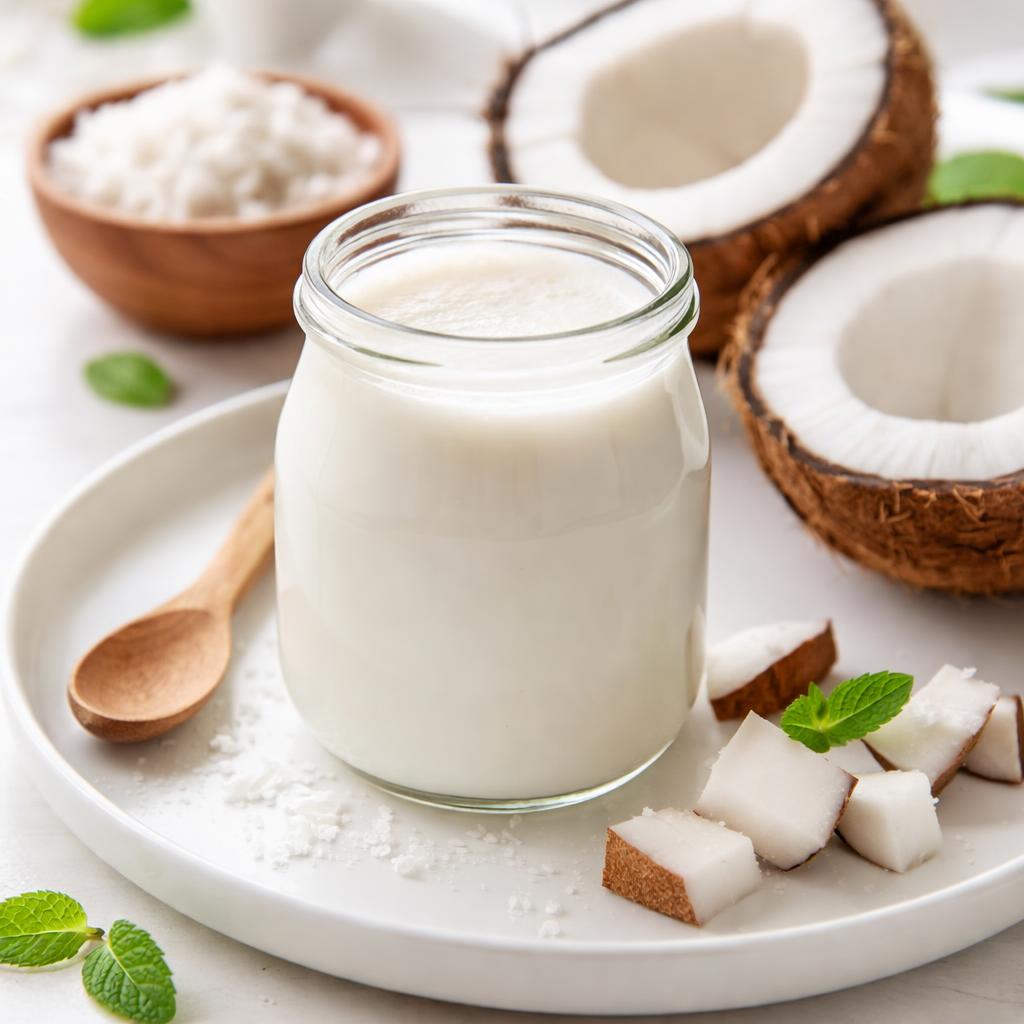
Coconut Milk
🎯 Quick Verdict
Rice and coconut milk serve very different nutritional roles. Rice provides more energy from carbohydrates and fiber, making it suitable for fueling physical activity. Coconut milk is richer in fats and contains fewer carbohydrates, making it suitable for keto diets or dairy-free recipes. The ideal choice depends on your dietary goals and recipes.

Smart Nutrition Tracking with SnapCalorie

📊 Nutritional Comparison
Macronutrients
| Nutrient | Food 1 | Food 2 | Winner |
|---|---|---|---|
| Calories | 130 per 1 cup cooked | 230 per 1 cup | ✓ |
| Protein | 2.7g per cup cooked | 2.8g per cup | − |
| Carbs | 28g per cup cooked | 3g per cup | ✓ |
| Fat | 0.3g per cup cooked | 23g per cup | ✓ |
| Fiber | 0.4g per cup cooked | 0g per cup | ✓ |
Vitamins & Minerals
| Nutrient | Food 1 | Food 2 | Winner |
|---|---|---|---|
| Vitamin D | 0mcg | 1mcg (fortified options) | ✓ |
| Calcium | 2mg | 38mg | ✓ |
| Iron | 0.2mg | 3.9mg | ✓ |
🏆 Category Winners
Protein
Both foods provide a similar amount of protein per serving.
Fiber
Rice contains a small amount of fiber, while coconut milk contains none.
Calories
Rice has significantly fewer calories compared to coconut milk.
Vitamins
Coconut milk is richer in calcium and iron, making it more nutrient-dense in terms of minerals.
🥗 Diet Compatibility
Keto
Food 1: Not Compatible
Food 2: Compatible
Coconut milk is very low in carbs, making it ideal for keto diets.
Vegan
Food 1: Compatible
Food 2: Compatible
Both foods are plant-based and suitable for vegan diets.
Gluten Free
Food 1: Compatible
Food 2: Compatible
Both foods are naturally gluten-free.
Paleo
Food 1: Not Compatible
Food 2: Compatible
Coconut milk fits well within paleo dietary guidelines; rice does not.
Low-Carb
Food 1: Not Compatible
Food 2: Compatible
Rice is high in carbs, whereas coconut milk is very low-carb.
💪 Health Benefits Comparison
Food 1 Benefits
- Provides quick and sustained energy from carbs
- Naturally gluten-free and easily digestible
- Low in fat and calories
Food 2 Benefits
- High in healthy fats, particularly medium-chain triglycerides (MCTs), which support brain function and energy
- Rich in minerals like calcium and iron for bone health and oxygen transport
- A dairy-free alternative for those with lactose intolerance
✅ The Bottom Line
Rice is ideal for energy needs and low-fat diets, while coconut milk is great for healthy fats, keto-friendly recipes, and nutrient density. Both are versatile foods with distinct purposes in your diet.
Choose Food 1 for: Fueling activity, energy management, weight loss
Choose Food 2 for: Keto, dairy-free diets, rich and creamy recipes


