Rice VS Chips
A detailed nutritional comparison
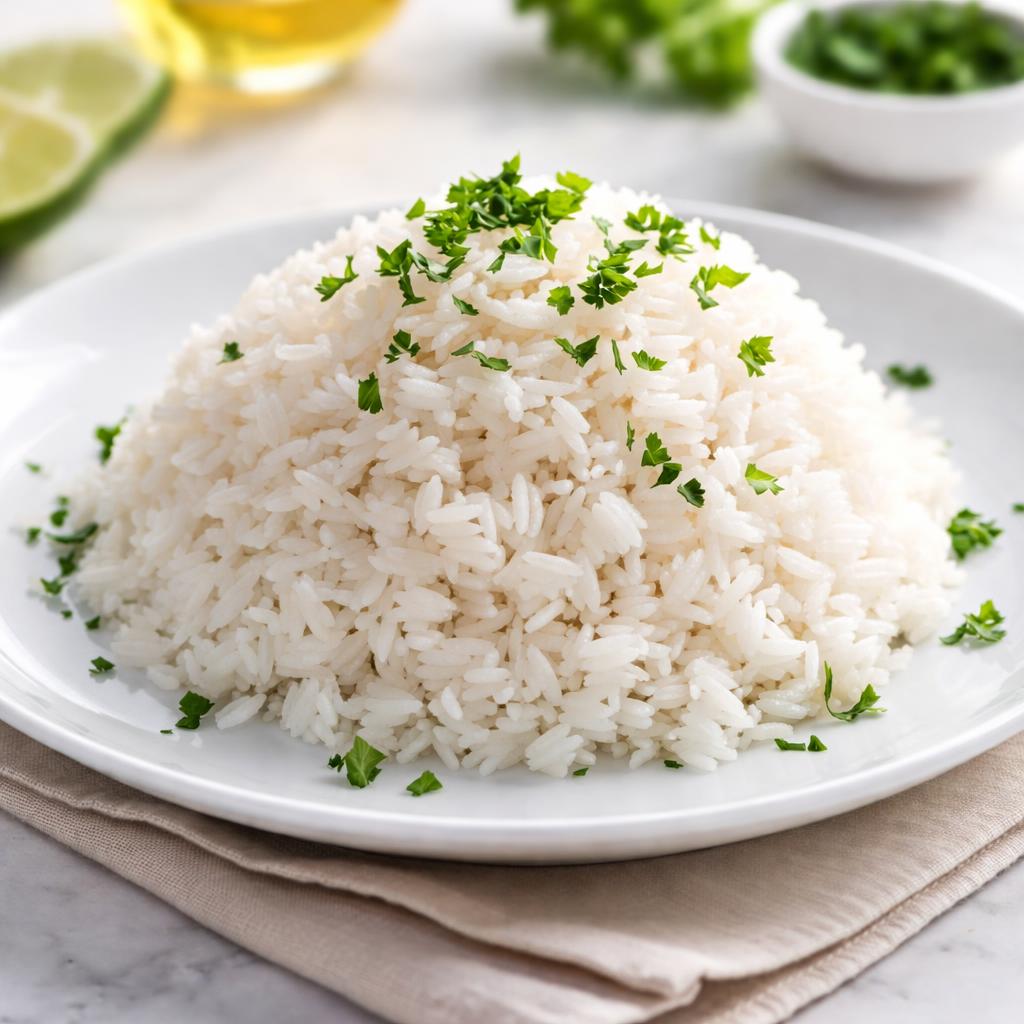
Rice
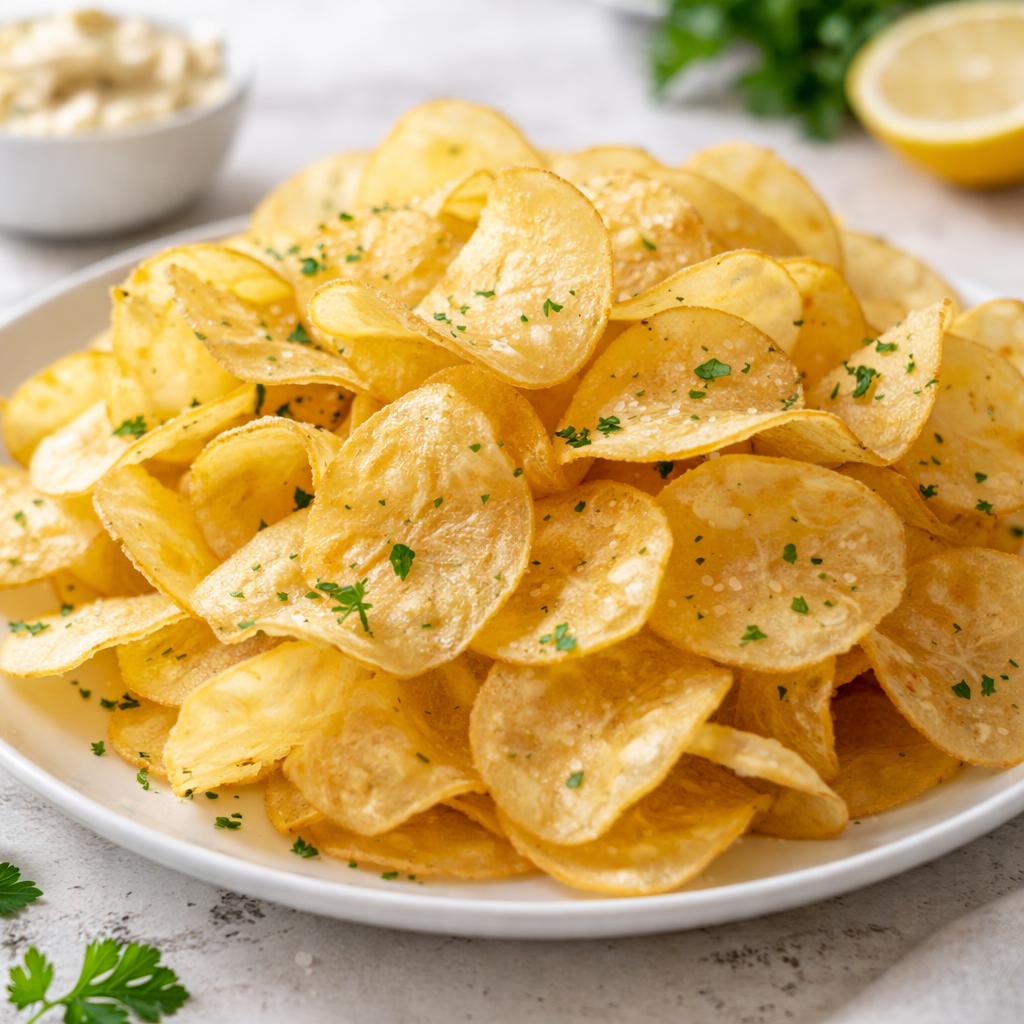
Chips
🎯 Quick Verdict
Rice is lower in calories and fat compared to chips, making it a better option for weight management. Chips, on the other hand, are higher in fat and calories, providing energy for more active days or indulgence, but they lack nutritional density compared to rice. Rice is ideal for balanced meals while chips are suited for occasional snacking or energy boosts.

Smart Nutrition Tracking with SnapCalorie

📊 Nutritional Comparison
Macronutrients
| Nutrient | Food 1 | Food 2 | Winner |
|---|---|---|---|
| Calories | 130 per 100g | 536 per 100g | ✓ |
| Protein | 2.7g per 100g | 7g per 100g | ✓ |
| Carbs | 28g per 100g | 52g per 100g | ✓ |
| Fat | 0.3g per 100g | 35g per 100g | ✓ |
| Fiber | 0.4g per 100g | 3g per 100g | ✓ |
Vitamins & Minerals
| Nutrient | Food 1 | Food 2 | Winner |
|---|---|---|---|
| Vitamin D | 0mcg | 0mcg | − |
| Calcium | 10mg | 20mg | ✓ |
| Iron | 0.2mg | 0.5mg | ✓ |
🏆 Category Winners
Protein
Chips have nearly triple the protein compared to rice.
Fiber
Chips have significantly more fiber per serving, aiding digestion.
Calories
Rice has 76% fewer calories than chips.
🥗 Diet Compatibility
Keto
Food 1: Not Compatible
Food 2: Not Compatible
Both foods are high in carbohydrates.
Vegan
Food 1: Compatible
Food 2: Depends on preparation
Rice is vegan, but chips may contain animal-based seasonings.
Gluten Free
Food 1: Compatible
Food 2: Depends on preparation
Rice is naturally gluten-free, but chips may have cross-contamination or added gluten ingredients.
Paleo
Food 1: Compatible
Food 2: Not Compatible
Rice fits better into a paleo-style diet compared to processed chips.
Low Carb
Food 1: Not Compatible
Food 2: Not Compatible
Both foods are carb-heavy and not suited for low-carb diets.
💪 Health Benefits Comparison
Food 1 Benefits
- Low in fat, supporting heart health
- Provides energy through complex carbohydrates
- Naturally gluten-free, suitable for sensitive diets
Food 2 Benefits
- Contains fiber, aiding digestion
- Provides a quick energy boost due to high calorie density
- Rich in flavor and crunch for satisfying snacks
✅ The Bottom Line
Choose rice for lower calorie meals, sustained energy, and balanced nutrition. Opt for chips occasionally for a satisfying snack or an energy-dense food option when needed. Moderation is key for chips due to their high fat and calorie content.
Choose Food 1 for: Weight management, balanced meals, gluten-free diets
Choose Food 2 for: Snack cravings, quick energy boosts, indulgence


