Rice VS Chimichurri
A detailed nutritional comparison
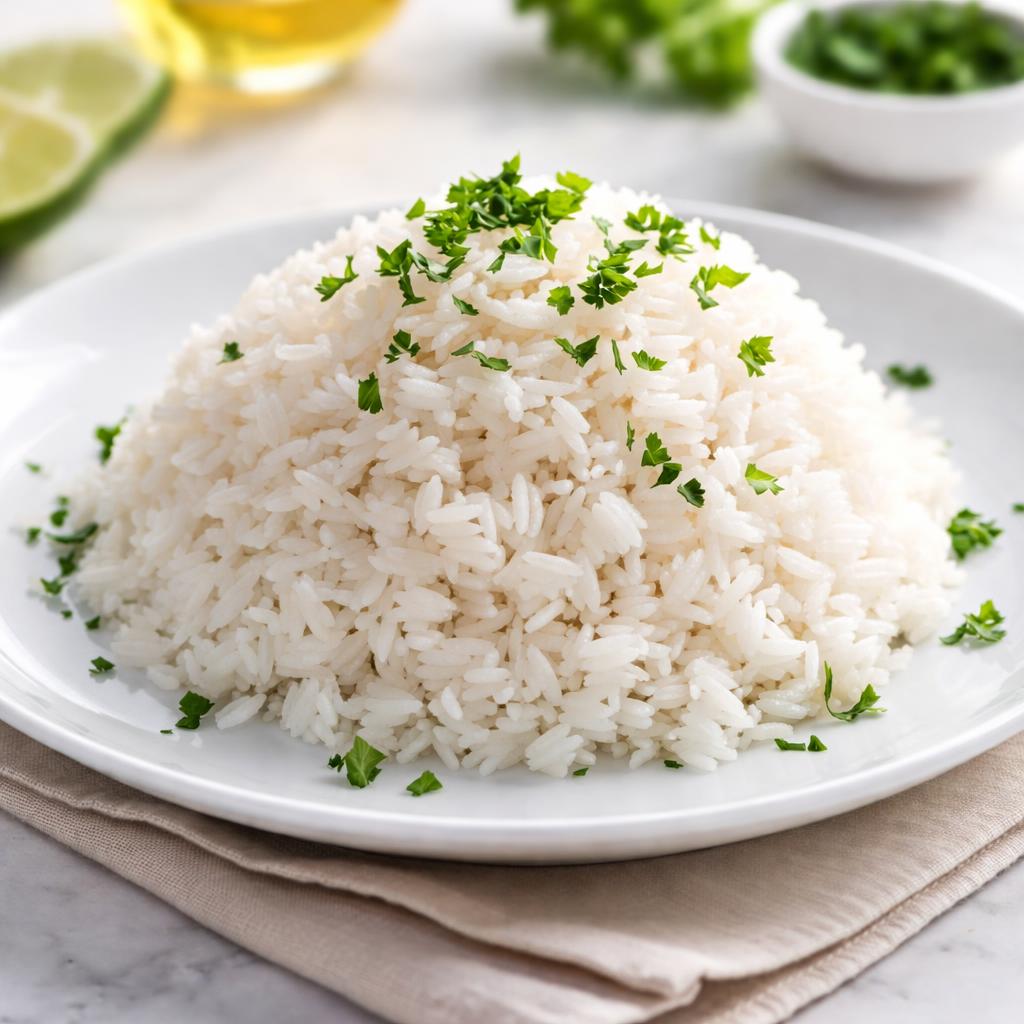
Rice
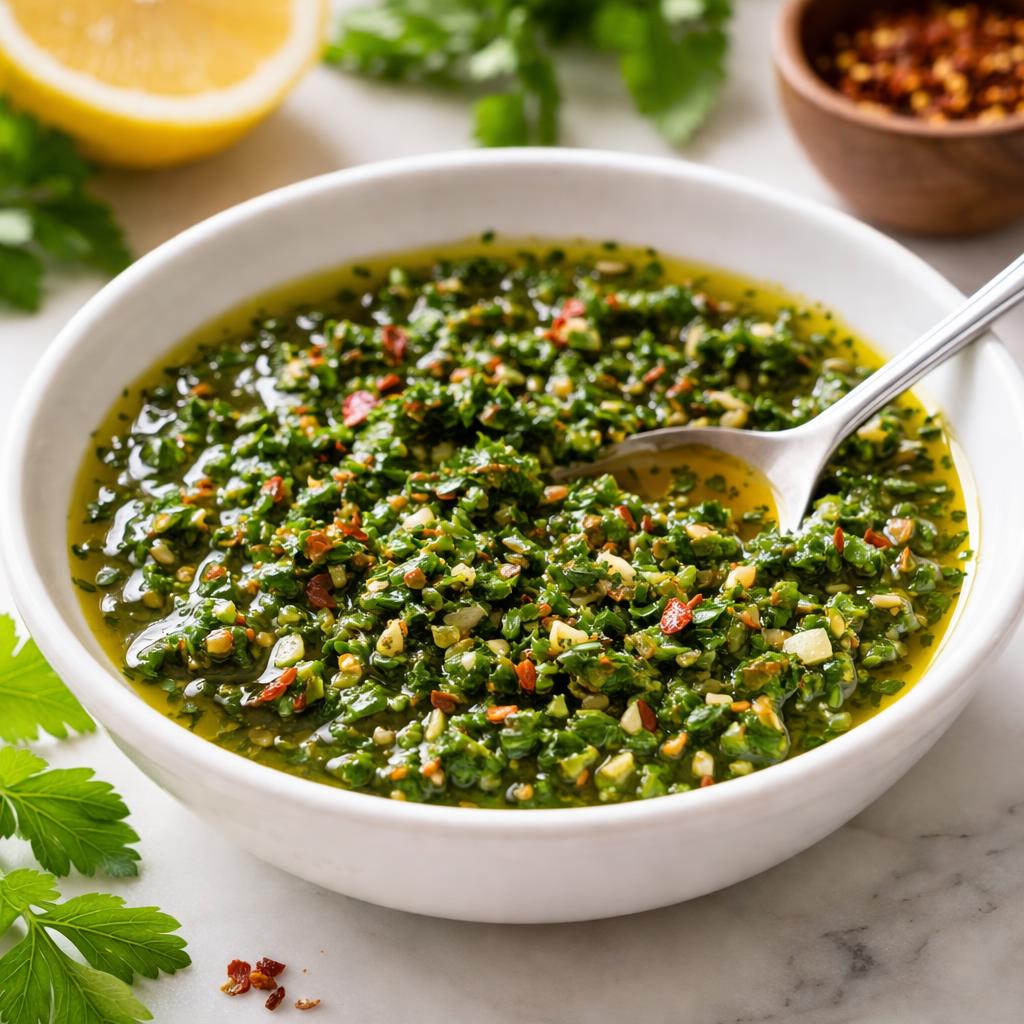
Chimichurri
🎯 Quick Verdict
Rice and chimichurri offer contrasting nutritional profiles. Rice is calorie-dense and rich in carbs, making it an energy source, while chimichurri is low-calorie and high in healthy fats with added fiber. Choose rice for energy and chimichurri for flavor and micronutrients.

Smart Nutrition Tracking with SnapCalorie

📊 Nutritional Comparison
Macronutrients
| Nutrient | Food 1 | Food 2 | Winner |
|---|---|---|---|
| Calories | 130 (per 1 cup cooked) | 40 (per 2 tbsp) | − |
| Protein | 2.7g | 0.5g | − |
| Carbs | 28g | 1g | − |
| Fat | 0.3g | 4g | − |
| Fiber | 0.4g | 1g | − |
Vitamins & Minerals
| Nutrient | Food 1 | Food 2 | Winner |
|---|---|---|---|
| Vitamin D | 0mcg | 0mcg | − |
| Calcium | 10mg | 20mg | − |
| Iron | 0.2mg | 0.4mg | − |
| Vitamin C | 0mg | 4mg | − |
🏆 Category Winners
Protein
Both foods provide minimal protein per serving.
Fiber
Chimichurri has over double the fiber content of rice per serving.
Calories
Rice provides higher caloric energy, which may be preferable for energy-demanding diets.
Vitamins
Chimichurri contains more micronutrients, including Vitamin C, iron, and calcium.
🥗 Diet Compatibility
Keto
Food 1: Not Compatible
Food 2: Compatible
Rice is high in carbs, while chimichurri is low-carb and fits a ketogenic diet easily.
Vegan
Food 1: Compatible
Food 2: Compatible
Both foods are plant-based and suitable for vegan diets.
Gluten Free
Food 1: Compatible
Food 2: Compatible
Neither rice nor chimichurri contains gluten.
Paleo
Food 1: Compatible
Food 2: Compatible
Both adhere to paleo dietary guidelines when prepared traditionally.
Low-Carb
Food 1: Not Compatible
Food 2: Compatible
Rice is carbohydrate-heavy, while chimichurri is carb-light and suitable for low-carb diets.
💪 Health Benefits Comparison
Food 1 Benefits
- Rich energy source for active individuals
- Low fat, making it a heart-friendly option
- Naturally gluten-free for dietary restrictions
Food 2 Benefits
- High in healthy fats like olive oil for heart health
- Contains herbs with antioxidants to combat free radicals
- Vitamin C in parsley supports immune function and skin health
✅ The Bottom Line
Rice and chimichurri cater to vastly different dietary purposes. Rice is best for energy and as a staple carb source, while chimichurri enhances dishes with flavor and micronutrients. Opt for rice for a filling base meal, and chimichurri for healthful seasoning or in low-carb diets.
Choose Food 1 for: Energy-dense meals, weight gain, meals needing a carbohydrate base
Choose Food 2 for: Heart health, low-carb diets, flavor enhancement


