Rice VS Chickpea Stew
A detailed nutritional comparison
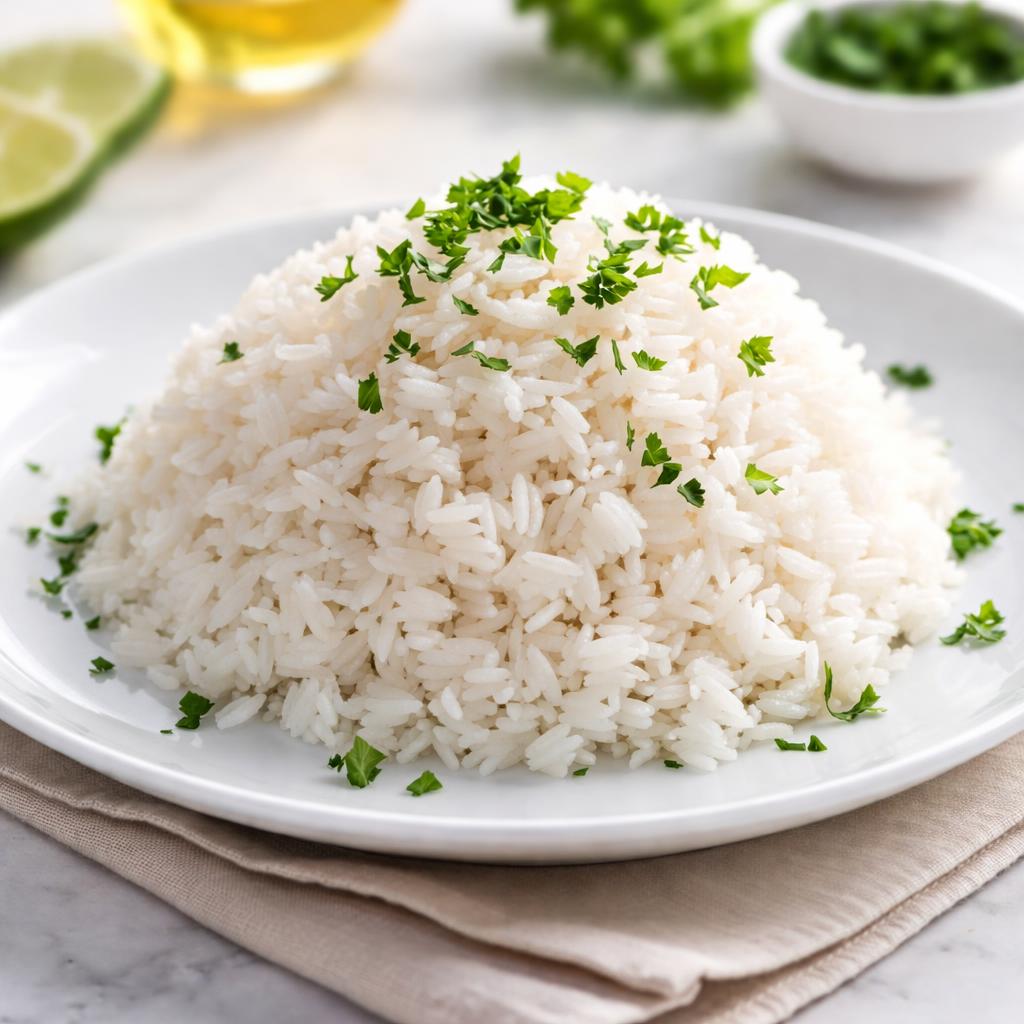
Rice
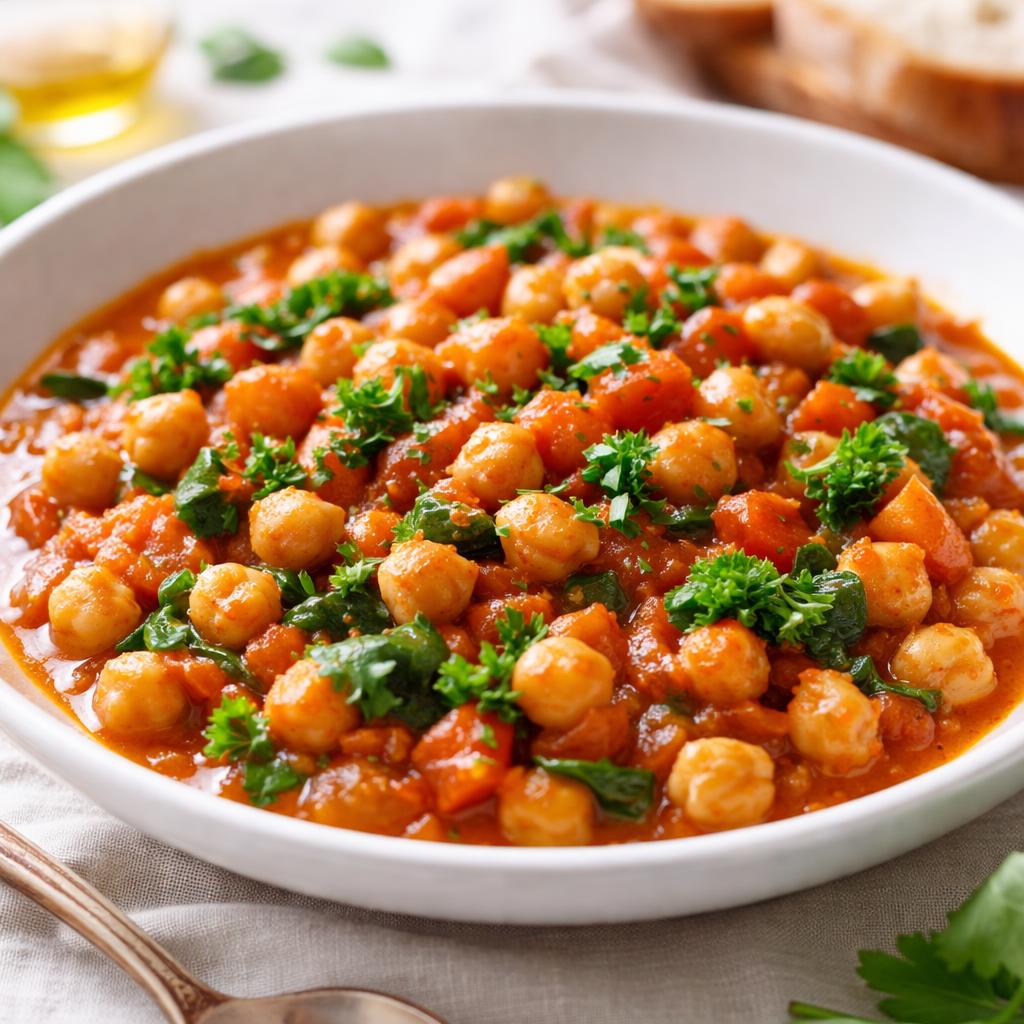
Chickpea Stew
🎯 Quick Verdict
Rice is lower in calories and suitable for energy-dense meals, but chickpea stew offers significantly more protein, fiber, and essential nutrients, making it a nutrient-dense food. Rice is ideal for simplicity and carb-heavy diets, while chickpea stew works well for balanced, protein-rich meals with additional vitamins and minerals.

Smart Nutrition Tracking with SnapCalorie

📊 Nutritional Comparison
Macronutrients
| Nutrient | Food 1 | Food 2 | Winner |
|---|---|---|---|
| Calories | 200 | 150 | ✓ |
| Protein | 4g | 10g | ✓ |
| Carbs | 45g | 20g | ✓ |
| Fat | 0.5g | 6g | ✓ |
| Fiber | 1g | 6g | ✓ |
Vitamins & Minerals
| Nutrient | Food 1 | Food 2 | Winner |
|---|---|---|---|
| Vitamin D | 0mcg | 0mcg | − |
| Calcium | 10mg | 80mg | ✓ |
| Iron | 0.5mg | 4mg | ✓ |
🏆 Category Winners
Protein
Food2 (chickpea stew) has 150% more protein per serving.
Fiber
Food2 offers six times more fiber than food1 (rice).
Calories
Food2 is lower-calorie while providing more nutrients per serving.
Vitamins
Food2 provides higher levels of calcium and iron compared to food1.
🥗 Diet Compatibility
Keto
Food 1: Not Compatible
Food 2: Not Compatible
Both foods are moderate-to-high in carbohydrates.
Vegan
Food 1: Compatible
Food 2: Compatible
Both are plant-based and suitable for vegan diets.
Gluten Free
Food 1: Compatible
Food 2: Compatible
Neither contains gluten.
Paleo
Food 1: Not Compatible
Food 2: Partially Compatible
Rice is not paleo, chickpea stew is limited due to legumes not being strictly paleo.
Low-Carb
Food 1: Not Compatible
Food 2: Partially Compatible
Chickpea stew is lower-carb compared to rice but still moderate overall.
💪 Health Benefits Comparison
Food 1 Benefits
- Provides quick energy due to high carbohydrate content
- Easily digestible for sensitive stomachs
- Gluten-free option for those with gluten intolerance
Food 2 Benefits
- Rich in plant-based protein for muscle and tissue repair
- High fiber content aiding digestion and satiety
- Contains important minerals like iron to support blood health
- Offers healthy fats from added ingredients such as olive oil
✅ The Bottom Line
Chickpea stew is the clear winner for nutrient density, providing more protein, fiber, and minerals, making it suitable for balanced diets like vegan or vegetarian. Rice, however, is a better option for energy-dense meals or simplicity and works well for carb-heavy diets or when paired with nutrient-rich foods. Choose chickpea stew for a balanced meal or post-workout recovery; select rice for carb loading or quick meal prep.
Choose Food 1 for: Carbohydrate loading, simple meals, quick digestibility
Choose Food 2 for: Balanced nutrition, protein-rich diets, vegan meals


