Rice VS Chicken Shawarma
A detailed nutritional comparison
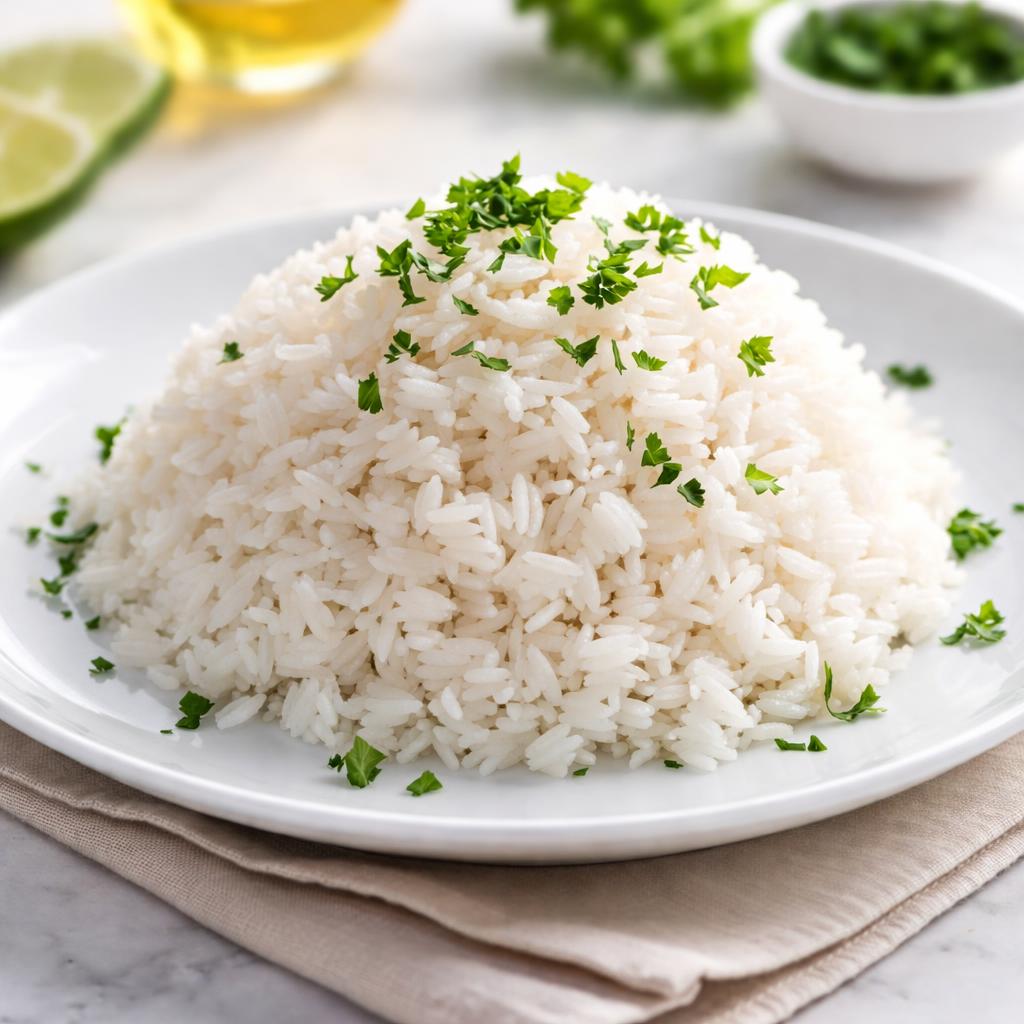
Rice
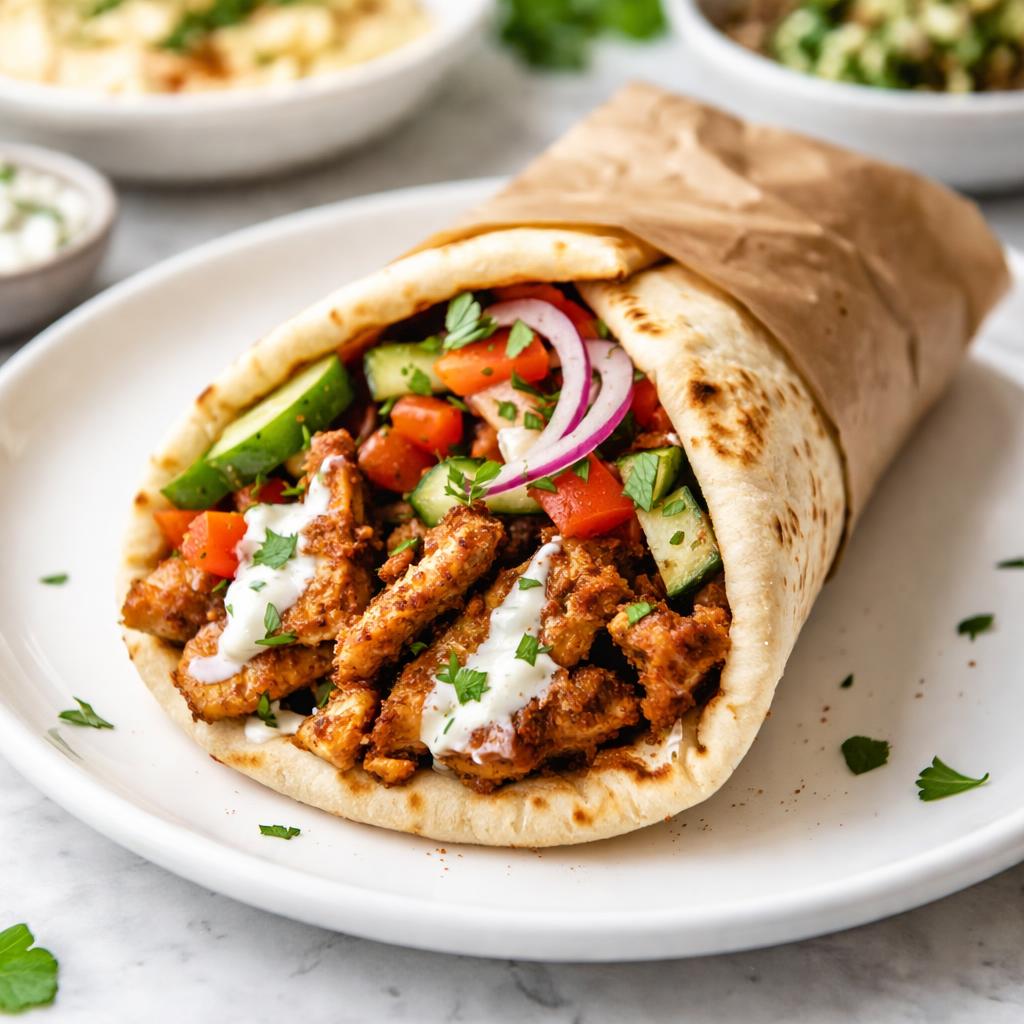
Chicken Shawarma
🎯 Quick Verdict
Chicken shawarma delivers significantly more protein compared to rice, making it an excellent choice for muscle building and satiety. However, rice is lower in calories and richer in fiber, suiting diets focused on digestion or weight management. Both serve different purposes depending on dietary goals.

Smart Nutrition Tracking with SnapCalorie

📊 Nutritional Comparison
Macronutrients
| Nutrient | Food 1 | Food 2 | Winner |
|---|---|---|---|
| Calories | 206 | 305 | ✓ |
| Protein | 4.2g | 29g | ✓ |
| Carbs | 45g | 8g | ✓ |
| Fat | 0.4g | 15g | ✓ |
| Fiber | 2g | 1g | ✓ |
Vitamins & Minerals
| Nutrient | Food 1 | Food 2 | Winner |
|---|---|---|---|
| Vitamin A | 0mcg | 50mcg | ✓ |
| Vitamin D | 0mcg | 1mcg | ✓ |
| Iron | 0.2mg | 1.7mg | ✓ |
| Sodium | 1mg | 535mg | ✓ |
🏆 Category Winners
Protein
Food2 (shawarma) has 6-7x more protein per serving, essential for muscle recovery and growth.
Fiber
Food1 (rice) provides double the fiber content, aiding digestion.
Calories
Food1 is lower in calories, making it more suitable for calorie-restricted diets.
Vitamins
Chicken shawarma contains higher levels of essential vitamins like Vitamin A, D, and iron.
🥗 Diet Compatibility
Keto
Food 1: Not Compatible
Food 2: Compatible
Food2 is low-carb (8g per serving) whereas Food1 is high-carb (45g per serving).
Vegan
Food 1: Compatible
Food 2: Not Compatible
Food1 is plant-based; Food2 contains meat.
Gluten Free
Food 1: Compatible
Food 2: Compatible
Both foods are naturally gluten-free if prepared without additives containing gluten.
Paleo
Food 1: Not Compatible
Food 2: Compatible
Rice is typically excluded from paleo diets, while chicken shawarma fits well within paleo guidelines.
Low Carb
Food 1: Not Compatible
Food 2: Compatible
Rice is high in carbs (45g), whereas chicken shawarma contains only 8g of carbs.
💪 Health Benefits Comparison
Food 1 Benefits
- Energy boost due to high carbohydrate content
- Low in fat, suitable for those watching fat intake
- Provides fiber for digestive health
Food 2 Benefits
- High protein content supports muscle maintenance and repair
- Source of healthy fats from spices and oils used in preparation
- Rich in essential vitamins, including Vitamin A and iron
✅ The Bottom Line
Chicken shawarma is ideal for high-protein diets and active individuals seeking sustained energy and essential nutrients. Rice, on the other hand, is best suited for those on lower-calorie diets or looking for a high-carb, plant-based energy source. Choose based on your dietary goals and activity level.
Choose Food 1 for: Weight management, vegan diets, energy boost
Choose Food 2 for: Muscle building, low-carb diets, nutrient density


