Rice VS Chicken Noodle Soup
A detailed nutritional comparison
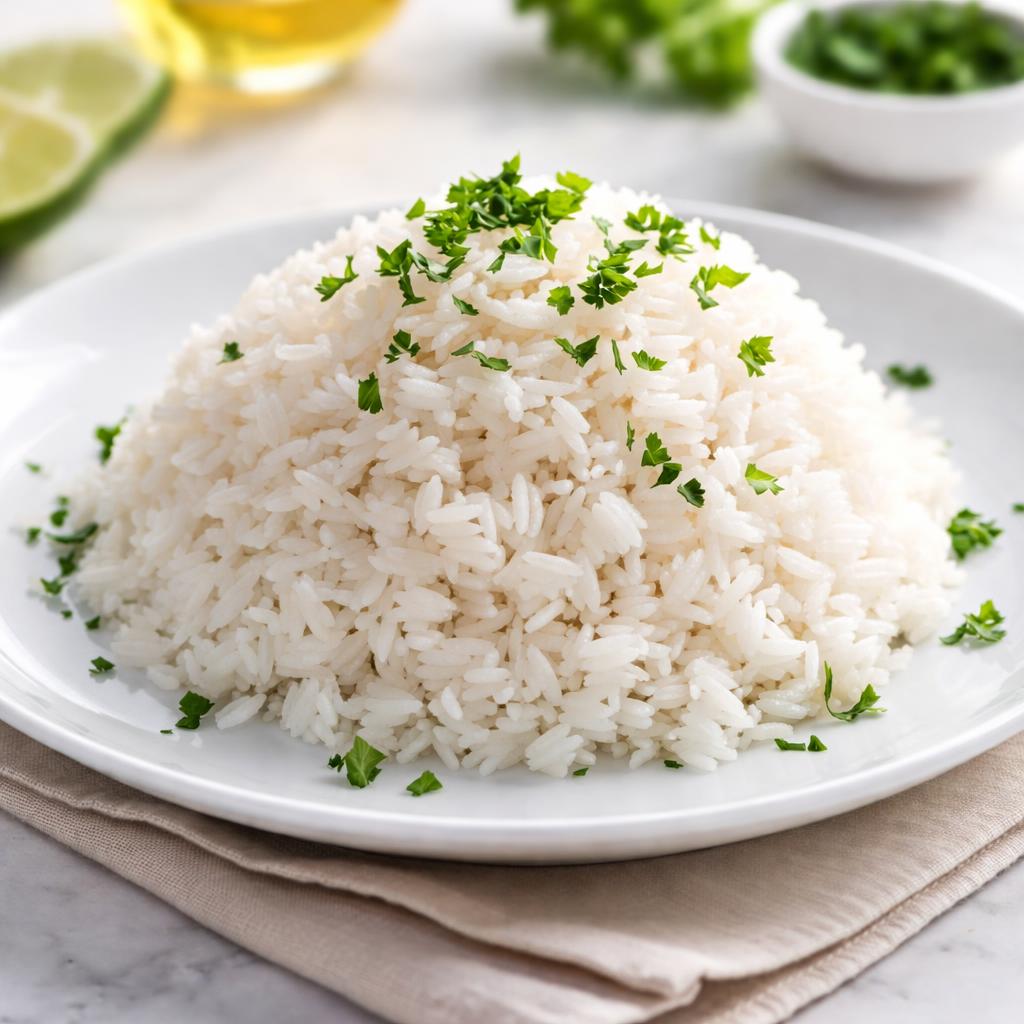
Rice
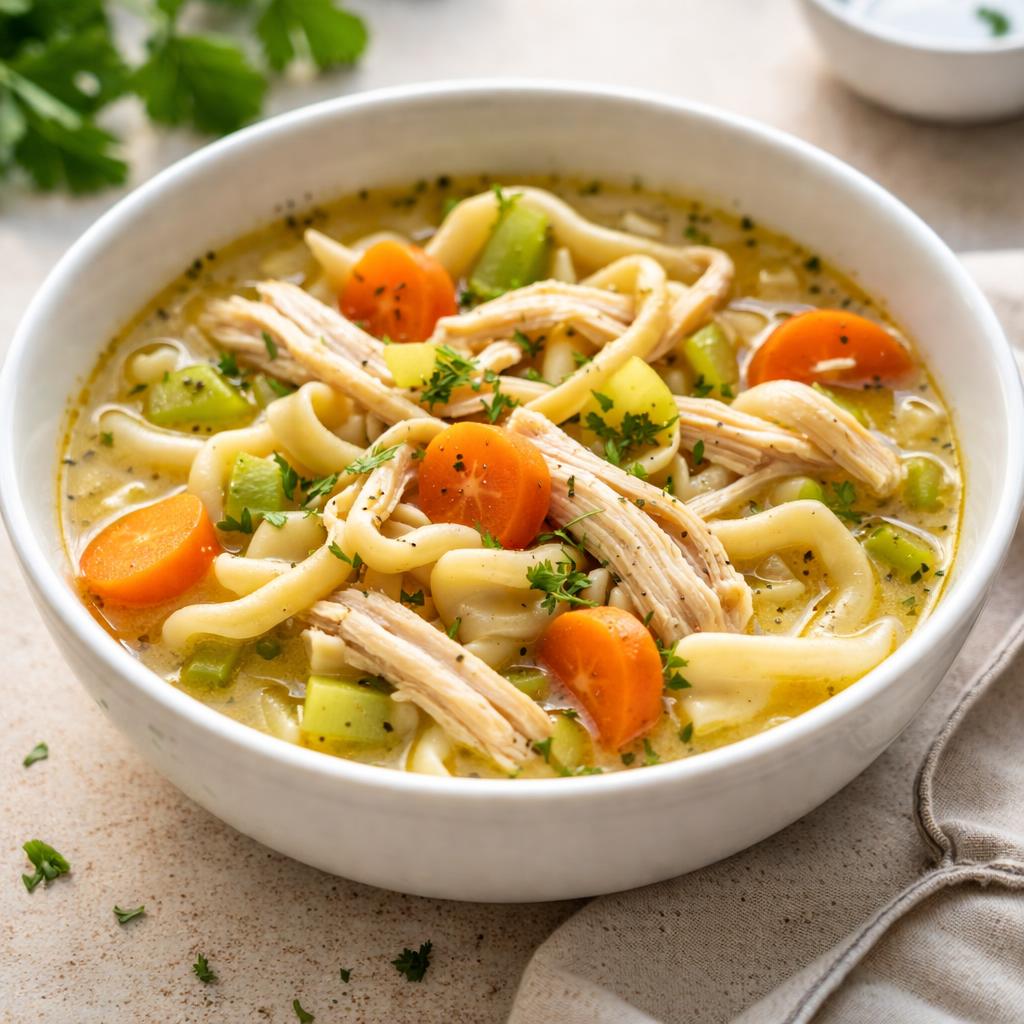
Chicken Noodle Soup
🎯 Quick Verdict
Rice is primarily a source of carbohydrates and fiber, whereas chicken noodle soup is a more nutrient-dense choice with higher protein, minerals, and vitamins. Rice suits vegan and gluten-free diets, while chicken noodle soup is good for protein-rich meals and cold-weather comfort food options.

Smart Nutrition Tracking with SnapCalorie

📊 Nutritional Comparison
Macronutrients
| Nutrient | Food 1 | Food 2 | Winner |
|---|---|---|---|
| Calories | 200 | 200 | − |
| Protein | 4g | 8g | ✓ |
| Carbs | 45g | 15g | ✓ |
| Fat | 0.5g | 3g | ✓ |
| Fiber | 2g | 1g | ✓ |
Vitamins & Minerals
| Nutrient | Food 1 | Food 2 | Winner |
|---|---|---|---|
| Vitamin A | 0mcg | 150mcg | ✓ |
| Vitamin C | 0mg | 2mg | ✓ |
| Calcium | 20mg | 30mg | ✓ |
| Iron | 1mg | 0.5mg | ✓ |
🏆 Category Winners
Protein
Chicken noodle soup contains twice as much protein as rice, making it better for muscle support.
Fiber
Rice provides twice the fiber content compared to chicken noodle soup.
Calories
Both foods offer similar calorie counts per serving, potentially suiting weight management diets.
Vitamins
Chicken noodle soup is more vitamin-rich, particularly in vitamin A and C.
🥗 Diet Compatibility
Keto
Food 1: Not Compatible
Food 2: Compatible
Chicken noodle soup is lower in carbs than rice and suitable for keto diets.
Vegan
Food 1: Compatible
Food 2: Not Compatible
Rice is plant-based, whereas chicken noodle soup typically contains animal products.
Gluten Free
Food 1: Compatible
Food 2: Not Compatible
Rice is gluten-free, while standard chicken noodle soup includes wheat-based noodles.
Paleo
Food 1: Compatible
Food 2: Not Compatible
Rice is suitable for paleo diets, whereas chicken noodle soup often contains processed ingredients.
Low Carb
Food 1: Not Compatible
Food 2: Compatible
Chicken noodle soup is lower in carbohydrates compared to rice.
💪 Health Benefits Comparison
Food 1 Benefits
- Rich source of carbohydrates for sustained energy
- Provides fiber for digestive health
- Naturally gluten-free and easy to digest
Food 2 Benefits
- High in protein for muscle repair and maintenance
- Contains vitamin A for eye health
- Hydrating and soothing, ideal for immune support during illness
✅ The Bottom Line
Choose rice for vegan, gluten-free, or paleo diets, and when you need a dense carbohydrate source for sustained energy. Opt for chicken noodle soup when looking for a nutrient-rich, protein-packed food, especially during recovery or cold weather.
Choose Food 1 for: Vegan diets, gluten-free meals, energy-rich carbs
Choose Food 2 for: Protein-rich diets, immune support, low-carb eating


