Rice VS Chicken Grilled
A detailed nutritional comparison

Rice
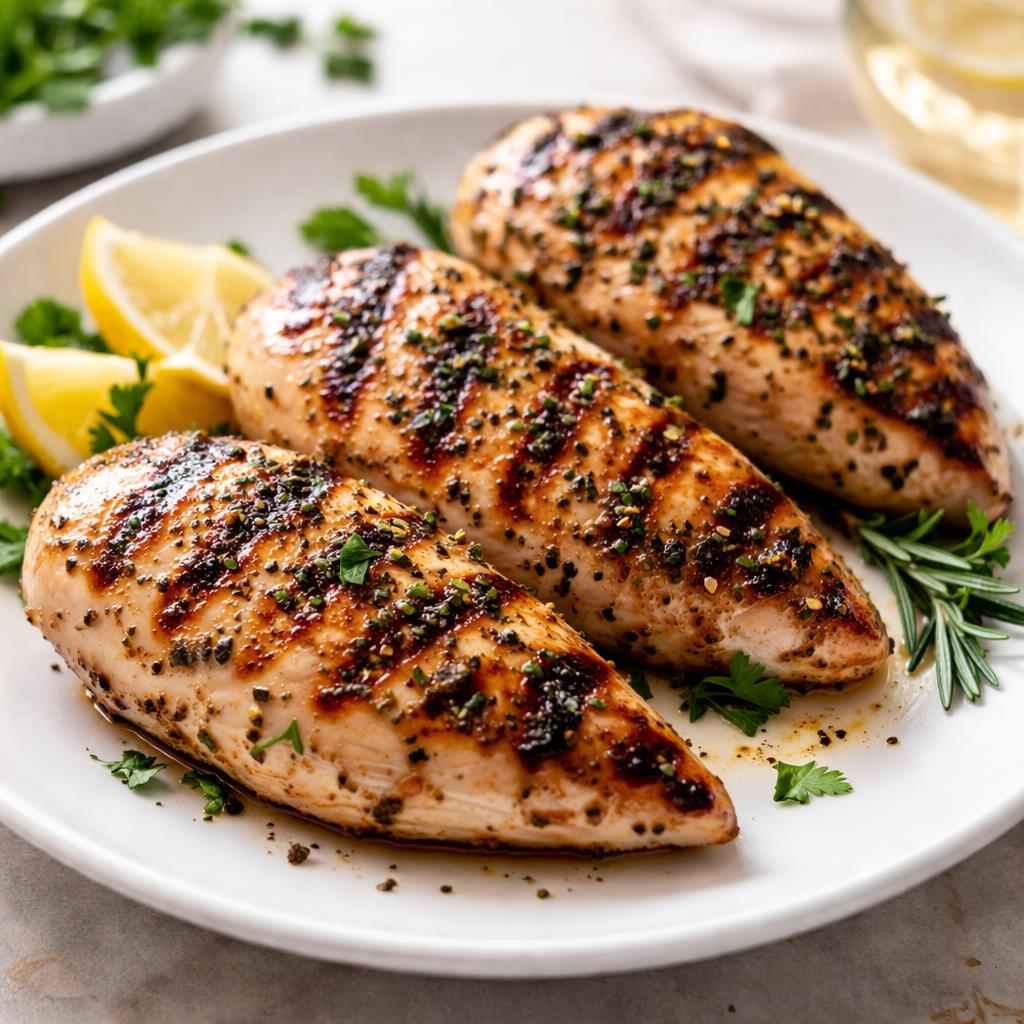
Chicken Grilled
🎯 Quick Verdict
Chicken (grilled) surpasses rice in protein content, calories efficiency, and overall nutrient density, making it ideal for muscle-building and weight management. Rice, on the other hand, is a better source of fiber and quick energy, making it a convenient option for carb-loading or adding bulk to meals.

Smart Nutrition Tracking with SnapCalorie

📊 Nutritional Comparison
Macronutrients
| Nutrient | Food 1 | Food 2 | Winner |
|---|---|---|---|
| Calories | 206 per cup (cooked) | 165 per 100g | ✓ |
| Protein | 4.3g per cup | 31g per 100g | ✓ |
| Carbs | 45g per cup | 0g per 100g | ✓ |
| Fat | 0.4g per cup | 3.6g per 100g | ✓ |
| Fiber | 0.6g per cup | 0g per 100g | ✓ |
Vitamins & Minerals
| Nutrient | Food 1 | Food 2 | Winner |
|---|---|---|---|
| Vitamin B6 | 0.1mg | 0.6mg | ✓ |
| Niacin (B3) | 1.2mg | 14.8mg | ✓ |
| Iron | 0.6mg | 1mg | ✓ |
| Magnesium | 13mg | 26mg | ✓ |
🏆 Category Winners
Protein
Chicken has over seven times the protein content of rice per serving.
Fiber
Rice provides 0.6g of fiber per cup, while chicken contains no fiber at all.
Calories
Chicken has fewer calories per gram compared to rice, making it more calorie-efficient.
Vitamins
Chicken is richer in B vitamins, iron, and magnesium compared to rice.
🥗 Diet Compatibility
Keto
Food 1: Not Compatible
Food 2: Compatible
Chicken is carb-free, while rice is carb-heavy.
Vegan
Food 1: Compatible
Food 2: Not Compatible
Rice is plant-based, while chicken is animal-derived.
Gluten Free
Food 1: Compatible
Food 2: Compatible
Neither food contains gluten.
Paleo
Food 1: Not Compatible
Food 2: Compatible
Rice isn't paleo-friendly, but grilled chicken aligns with the paleo diet.
Low-Carb
Food 1: Not Compatible
Food 2: Compatible
Rice is high in carbs (45g per cup), while chicken is low-carb.
💪 Health Benefits Comparison
Food 1 Benefits
- Provides a quick energy source due to high carbohydrate content
- Low fat, which makes it fitting for low-fat diets
- A gentle option for digestive concerns
Food 2 Benefits
- High protein supports muscle growth and repair
- Rich in essential B vitamins for energy metabolism
- Low carbohydrate content suits ketogenic and low-carb diets
- Contains micronutrients like iron and magnesium for overall health
✅ The Bottom Line
Grilled chicken is nutritionally superior to rice due to higher protein, lower calories, and richer vitamin content, making it better for muscle-building and weight loss. Rice is ideal for quick energy rather than long-term nutrition and pairs well with high-protein foods for balanced meals.
Choose Food 1 for: Carb-loading, quick energy, digestive ease
Choose Food 2 for: Muscle-building, weight loss, nutrient density


