Rice VS Chana Masala
A detailed nutritional comparison
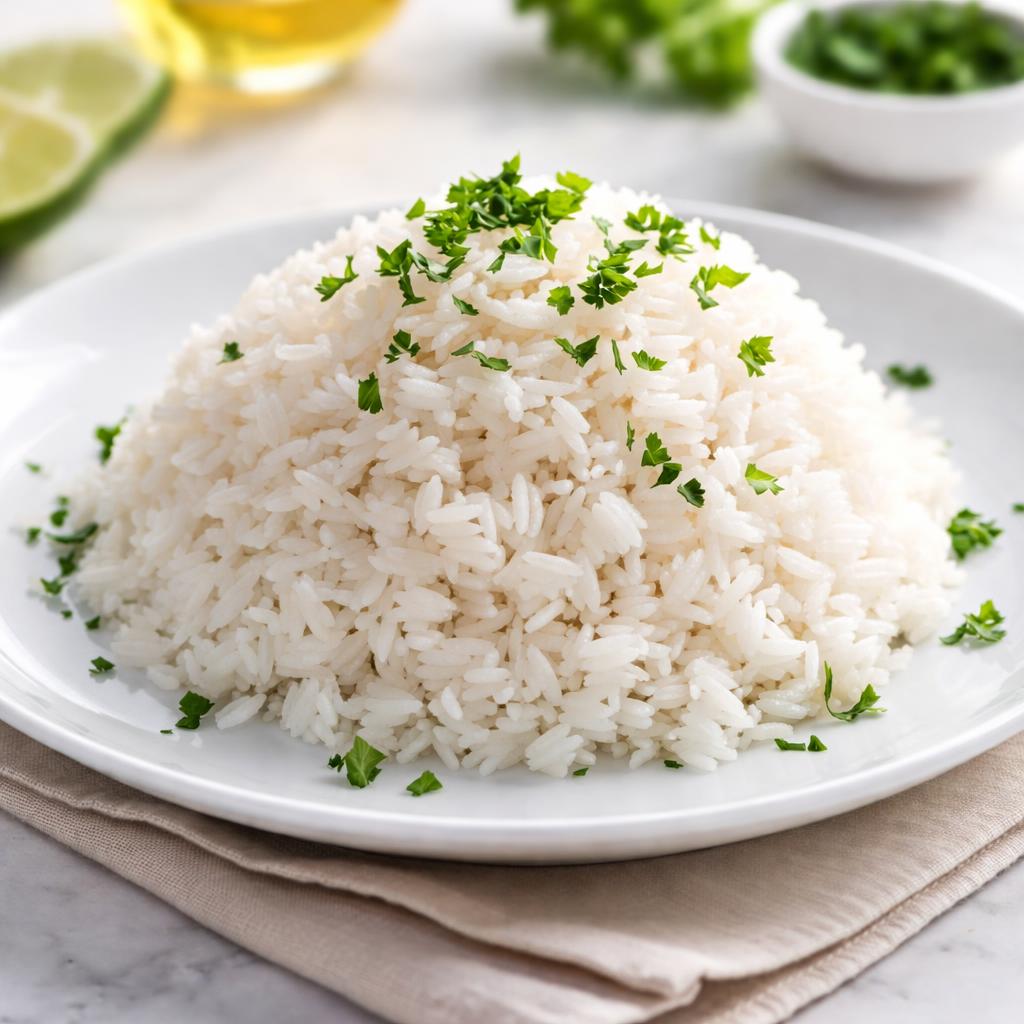
Rice
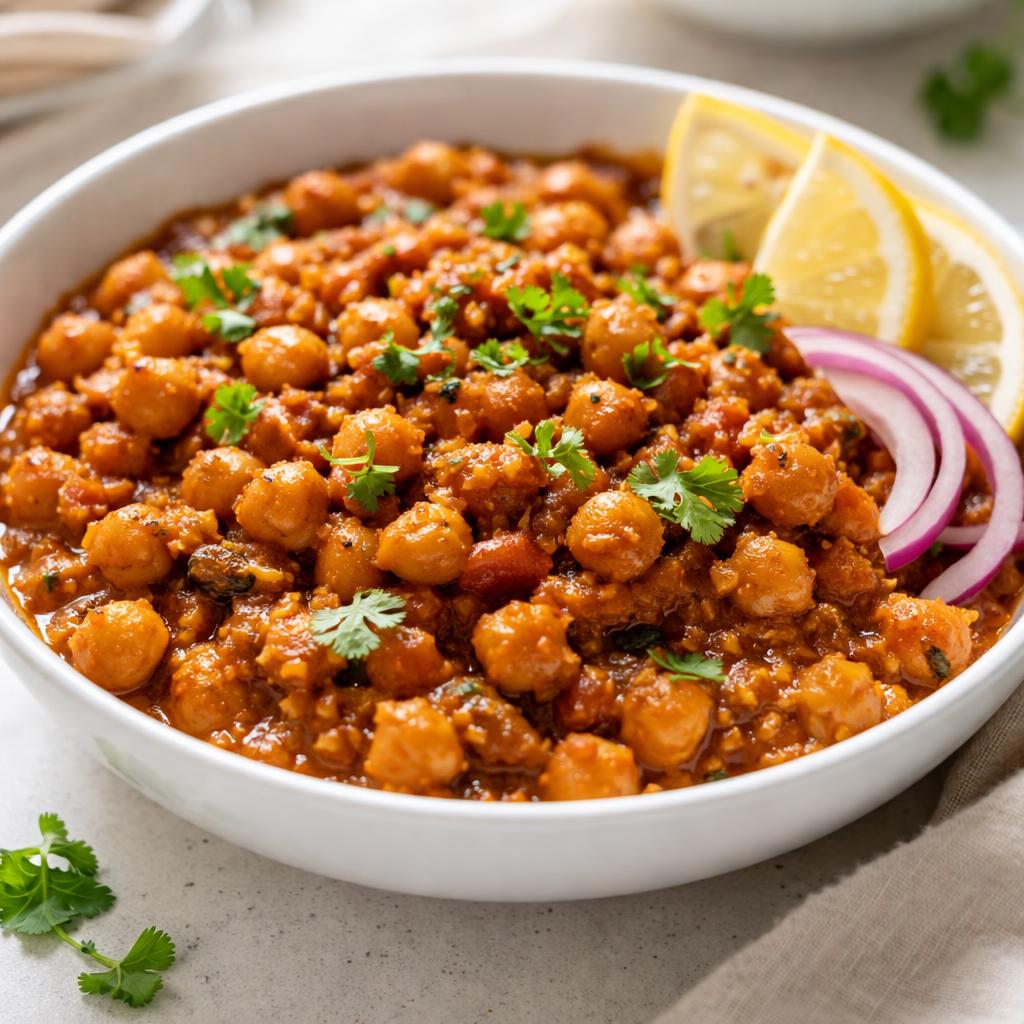
Chana Masala
🎯 Quick Verdict
Rice is a simple carb-rich staple, lower in calories but relatively poor in protein and fiber. Chana masala, made from chickpeas, offers significantly more protein, fiber, and micronutrients, making it ideal for nutrient-dense meals. Rice suits low-fat, quick energy needs, while chana masala is suitable for balanced diets needing higher nutrients like protein and fiber.

Smart Nutrition Tracking with SnapCalorie

📊 Nutritional Comparison
Macronutrients
| Nutrient | Food 1 | Food 2 | Winner |
|---|---|---|---|
| Calories | 206 (per 1 cup cooked) | 269 (per 1 cup cooked) | − |
| Protein | 4g | 11g | − |
| Carbs | 45g | 37g | − |
| Fat | 0.4g | 4g | − |
| Fiber | 0.6g | 10g | − |
Vitamins & Minerals
| Nutrient | Food 1 | Food 2 | Winner |
|---|---|---|---|
| Vitamin C | 0mg | 6mg | − |
| Iron | 1mg | 4mg | − |
| Calcium | 6mg | 80mg | − |
| Vitamin D | 0mcg | 0mcg | − |
🏆 Category Winners
Protein
Chana masala contains nearly 3x more protein, making it superior for building and repairing tissues.
Fiber
Chana masala has 10g of fiber compared to rice's negligible amount, helping with digestion and gut health.
Calories
Rice is lower in calories, making it a lighter side dish or base for meals.
Vitamins
Chana masala is significantly richer in essential vitamins like iron, calcium, and vitamin C, providing a more nutrient-dense profile.
🥗 Diet Compatibility
Keto
Food 1: Not Compatible
Food 2: Not Compatible
Both are high-carb foods unsuitable for ketogenic diets.
Vegan
Food 1: Compatible
Food 2: Compatible
Both are plant-based and suitable for vegan diets.
Gluten Free
Food 1: Compatible
Food 2: Compatible
Neither contains gluten, making them suitable for those with gluten sensitivities.
Paleo
Food 1: Not Compatible
Food 2: Not Compatible
Rice and legumes (chickpeas in chana masala) are excluded from the paleo diet.
Low-Carb
Food 1: Not Compatible
Food 2: Not Compatible
Both are too carb-heavy for strict low-carb diets.
💪 Health Benefits Comparison
Food 1 Benefits
- Provides quick energy from carbohydrates
- Low in fat, making it suitable for low-fat diets
- Gentle on digestion, ideal for sensitive stomachs
Food 2 Benefits
- Rich in protein to support muscle maintenance and growth
- High in fiber to promote gut health and reduce cholesterol
- Contains iron and calcium for improved bone strength and oxygen transport
- Offers antioxidants and anti-inflammatory nutrients via spices typically used in preparation
✅ The Bottom Line
Choose rice for a cost-effective, quick-energy base for meals, especially if calories are a concern. Opt for chana masala when seeking a nutrient-dense protein and fiber-rich dish that supports balanced nutrition and healthier eating. Pairing them may provide a balanced meal overall.
Choose Food 1 for: Low-fat diets, quick energy needs, simple meal accompaniments
Choose Food 2 for: Balanced diets, high-protein meals, nutrient-rich vegetarian options


