Rice VS Carrot
A detailed nutritional comparison
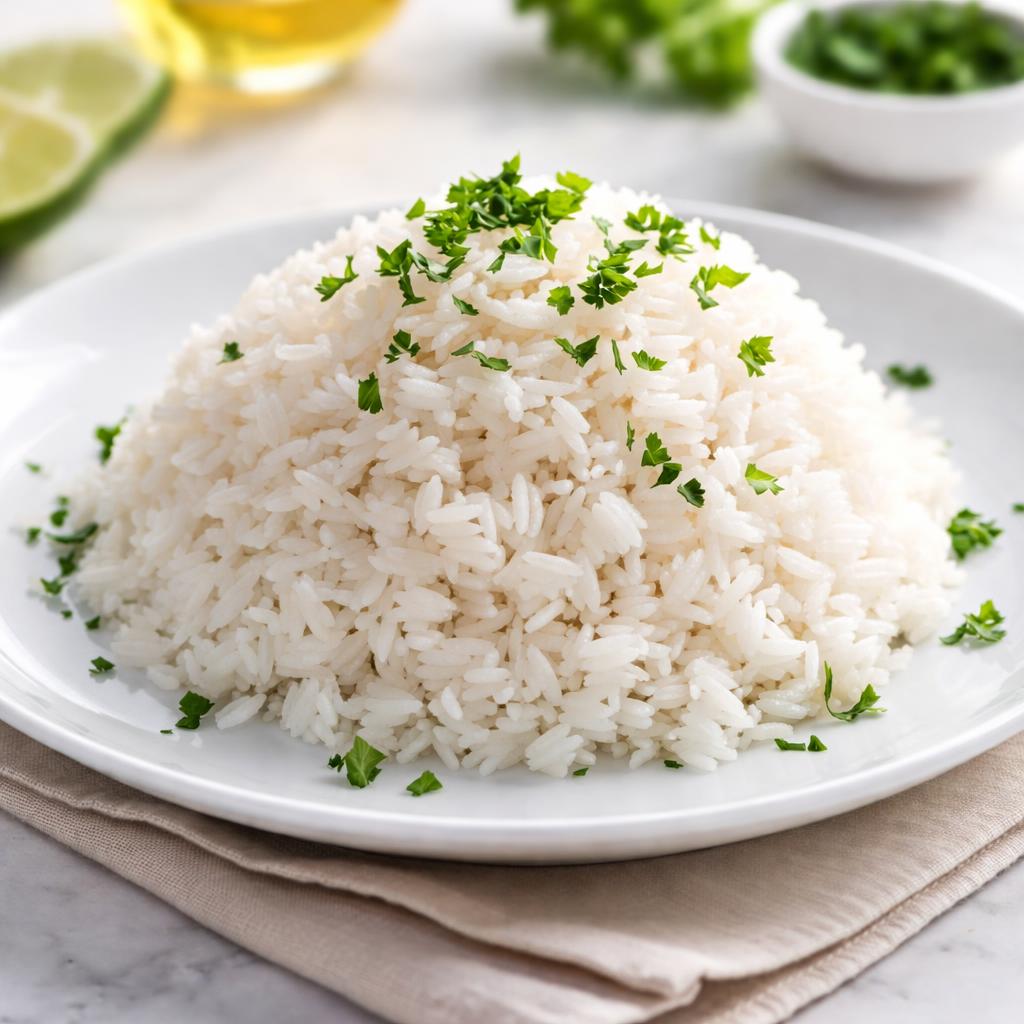
Rice
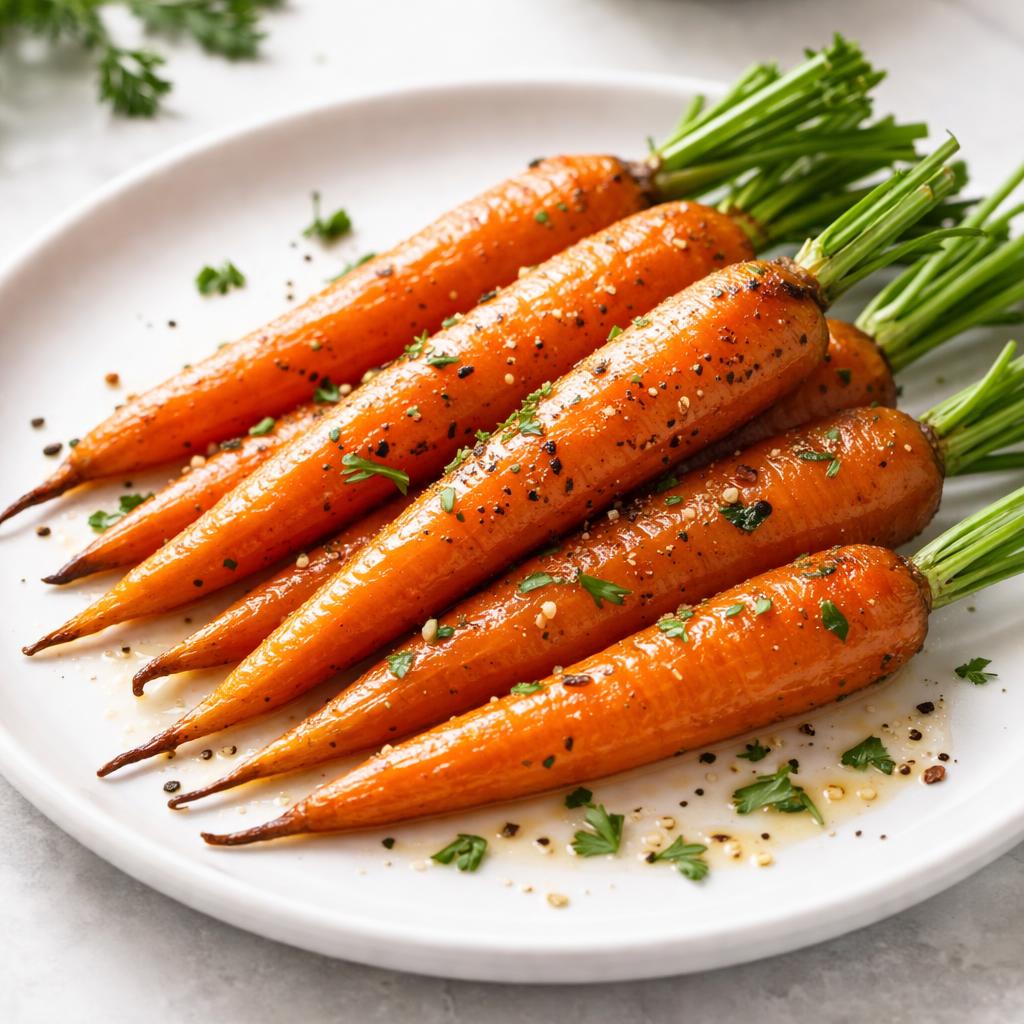
Carrot
🎯 Quick Verdict
Rice is a versatile and energy-dense grain, while carrots are low-calorie, fiber-rich root vegetables. Rice is ideal for providing quick energy and satiety due to its carbohydrate content, whereas carrots excel in delivering fiber and essential vitamins, making them a great addition for nutrient density and healthy digestion.

Smart Nutrition Tracking with SnapCalorie

📊 Nutritional Comparison
Macronutrients
| Nutrient | Food 1 | Food 2 | Winner |
|---|---|---|---|
| Calories | 130 (per 100g, cooked) | 41 (per 100g, raw) | ✓ |
| Protein | 2.7g | 0.9g | ✓ |
| Carbs | 28.2g | 9.6g | ✓ |
| Fat | 0.3g | 0.2g | ✓ |
| Fiber | 0.4g | 2.8g | ✓ |
Vitamins & Minerals
| Nutrient | Food 1 | Food 2 | Winner |
|---|---|---|---|
| Vitamin A | 0mcg | 835mcg | ✓ |
| Vitamin C | 0mg | 5.9mg | ✓ |
| Calcium | 10mg | 33mg | ✓ |
| Iron | 0.2mg | 0.3mg | ✓ |
🏆 Category Winners
Protein
Rice provides three times more protein than carrots.
Fiber
Carrots offer seven times more fiber, supporting digestion and satiety.
Calories
Carrots have significantly fewer calories, making them suitable for weight loss.
Vitamins
Carrots are an excellent source of Vitamin A and provide diverse micronutrients.
🥗 Diet Compatibility
Keto
Food 1: Not Compatible
Food 2: Compatible
Rice is carb-heavy while carrots contain fewer net carbs per serving.
Vegan
Food 1: Compatible
Food 2: Compatible
Both rice and carrots are plant-based and suitable for vegan diets.
Gluten Free
Food 1: Compatible
Food 2: Compatible
Both foods are naturally gluten-free.
Paleo
Food 1: Not Compatible
Food 2: Compatible
Rice is excluded from paleo diets as a grain, whereas carrots are approved.
Low Carb
Food 1: Not Compatible
Food 2: Compatible
Rice is high in carbs, while carrots are lower-carb-friendly in moderation.
💪 Health Benefits Comparison
Food 1 Benefits
- Provides quick and accessible energy due to high carbohydrate content.
- Low fat content makes it suitable for low-fat diets.
- Easily digested, making it ideal for people with sensitive stomachs.
Food 2 Benefits
- Rich in Vitamin A, promoting eye health and immunity.
- High in dietary fiber for improved digestion and gut health.
- Provides antioxidants that support overall health and help reduce inflammation.
✅ The Bottom Line
Rice is best for energy-dense meals that fuel high activity or recovery, whereas carrots are perfect for nutrient-rich, low-calorie snacks promoting digestion and overall health. Choose rice for a carbohydrate base and carrots for a vitamin-packed addition to your diet.
Choose Food 1 for: Quick energy, high activity, pairing with low-fiber meals.
Choose Food 2 for: Weight management, digestion, Vitamin A boost.


