Rice VS Capsicum
A detailed nutritional comparison
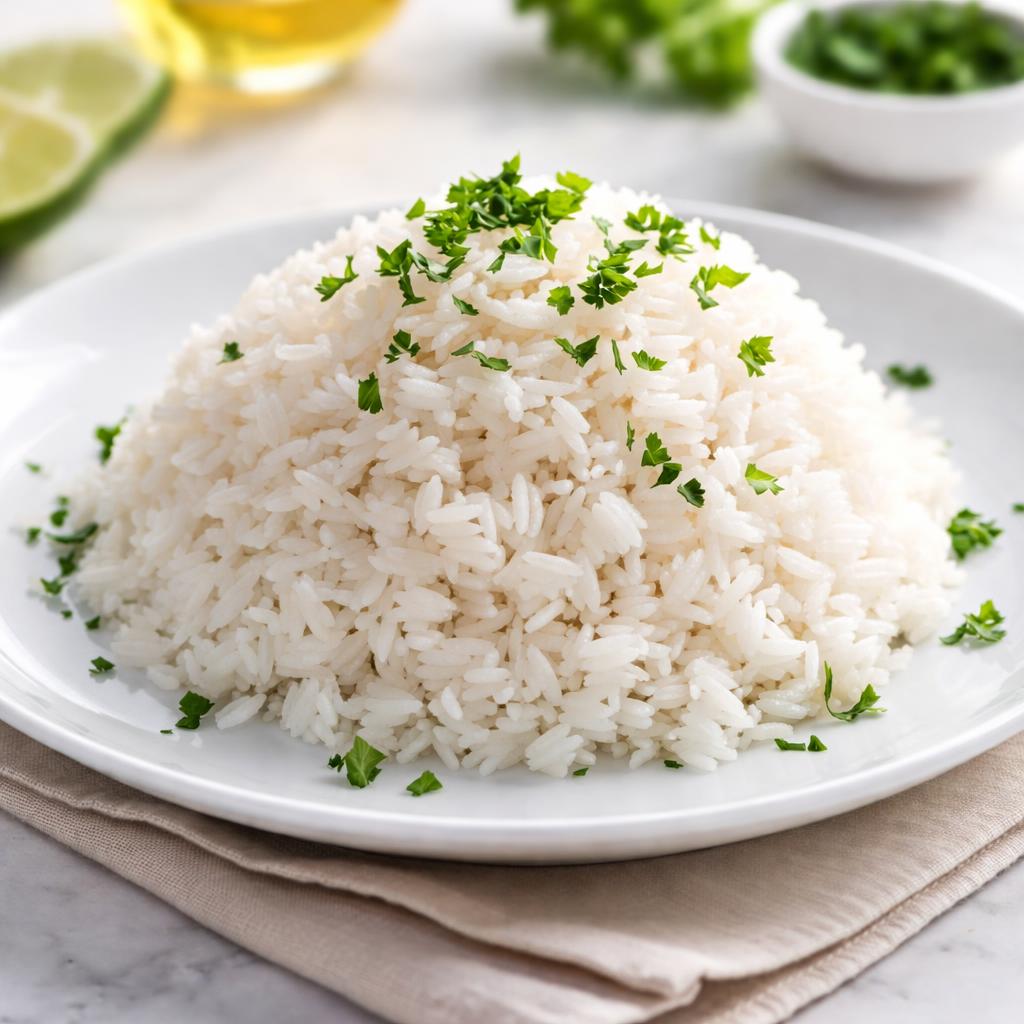
Rice
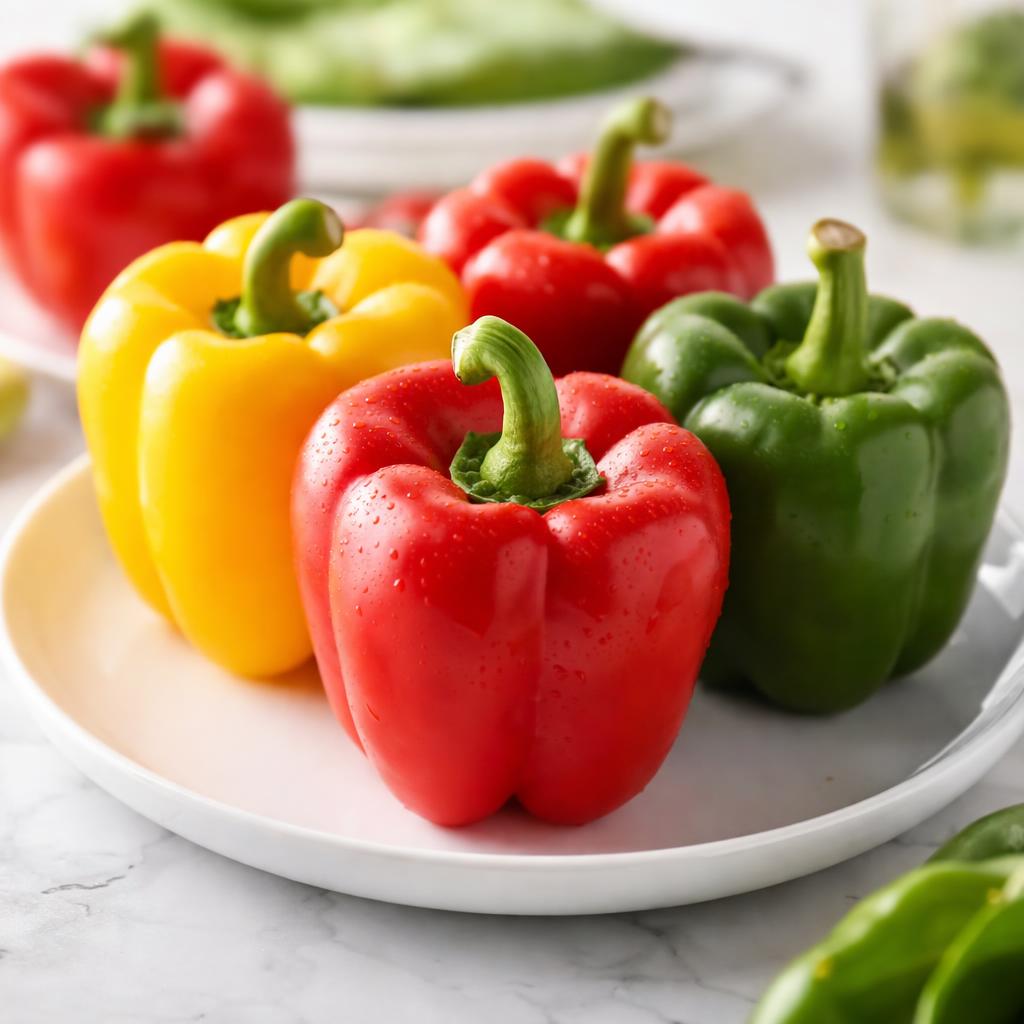
Capsicum
🎯 Quick Verdict
Capsicum is lower in calories, higher in fiber, and contains more vitamins compared to rice. Rice is a better source of carbohydrates and provides sustained energy, making it ideal for high-energy meals. Capsicum is nutrient-dense and better suited for low-calorie, high-vitamin diets such as keto or vegan plans.

Smart Nutrition Tracking with SnapCalorie

📊 Nutritional Comparison
Macronutrients
| Nutrient | Food 1 | Food 2 | Winner |
|---|---|---|---|
| Calories | 130 per 100g (cooked) | 26 per 100g | ✓ |
| Protein | 2.7g per 100g | 0.9g per 100g | ✓ |
| Carbs | 28g per 100g | 6g per 100g | ✓ |
| Fat | 0.3g per 100g | 0.1g per 100g | ✓ |
| Fiber | 0.4g per 100g | 2g per 100g | ✓ |
Vitamins & Minerals
| Nutrient | Food 1 | Food 2 | Winner |
|---|---|---|---|
| Vitamin C | 0mg | 120mg per 100g | ✓ |
| Vitamin A | 0μg | 157μg per 100g | ✓ |
| Potassium | 35mg | 211mg per 100g | ✓ |
🏆 Category Winners
Protein
Rice provides three times more protein per serving than capsicum.
Fiber
Capsicum offers five times more dietary fiber than rice.
Calories
Capsicum has significantly lower calories per serving (80% fewer).
Vitamins
Capsicum is a richer source of Vitamin C, Vitamin A, and Potassium.
🥗 Diet Compatibility
Keto
Food 1: Not Compatible
Food 2: Compatible
Capsicum is low in carbs, while rice is high-carb.
Vegan
Food 1: Compatible
Food 2: Compatible
Both are plant-based foods suitable for vegan diets.
Gluten Free
Food 1: Compatible
Food 2: Compatible
Neither rice nor capsicum contains gluten.
Paleo
Food 1: Compatible
Food 2: Compatible
Both align with paleo dietary principles.
Low Carb
Food 1: Not Compatible
Food 2: Compatible
Rice has high carbohydrate content, while capsicum is a low-carb vegetable.
💪 Health Benefits Comparison
Food 1 Benefits
- Great for sustained energy due to high carbohydrate content.
- Provides small amounts of protein for general muscle maintenance.
- Serves as a gluten-free starch alternative for sensitive diets.
Food 2 Benefits
- Rich in Vitamin C to support immune health.
- High in dietary fiber for enhanced digestion.
- Contains antioxidants that promote cell health and combat free radicals.
- Low-calorie and nutrient-dense, perfect for weight management.
✅ The Bottom Line
When choosing between rice and capsicum, consider your dietary goals. Capsicum is ideal for weight loss and low-carb diets given its lower calorie count and higher fiber content. Rice, on the other hand, is a high-energy carbohydrate source, perfect for those seeking fuel for intense physical activity or needing sustained energy throughout the day.
Choose Food 1 for: Athletes requiring energy, gluten-free meal bases, pairing with protein-rich foods
Choose Food 2 for: Low-calorie diets, immune system support, nutrient-dense, vegetarian meals


