Rice VS Buckwheat
A detailed nutritional comparison
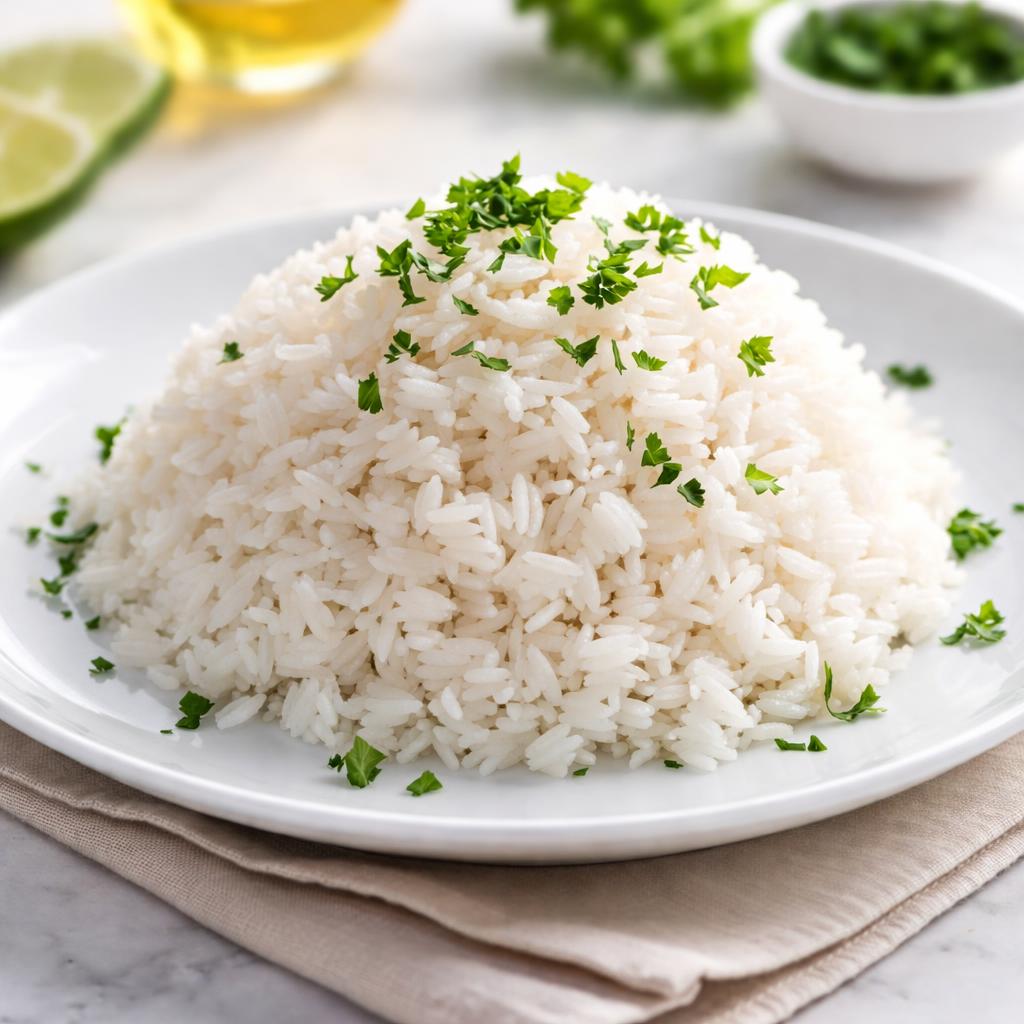
Rice
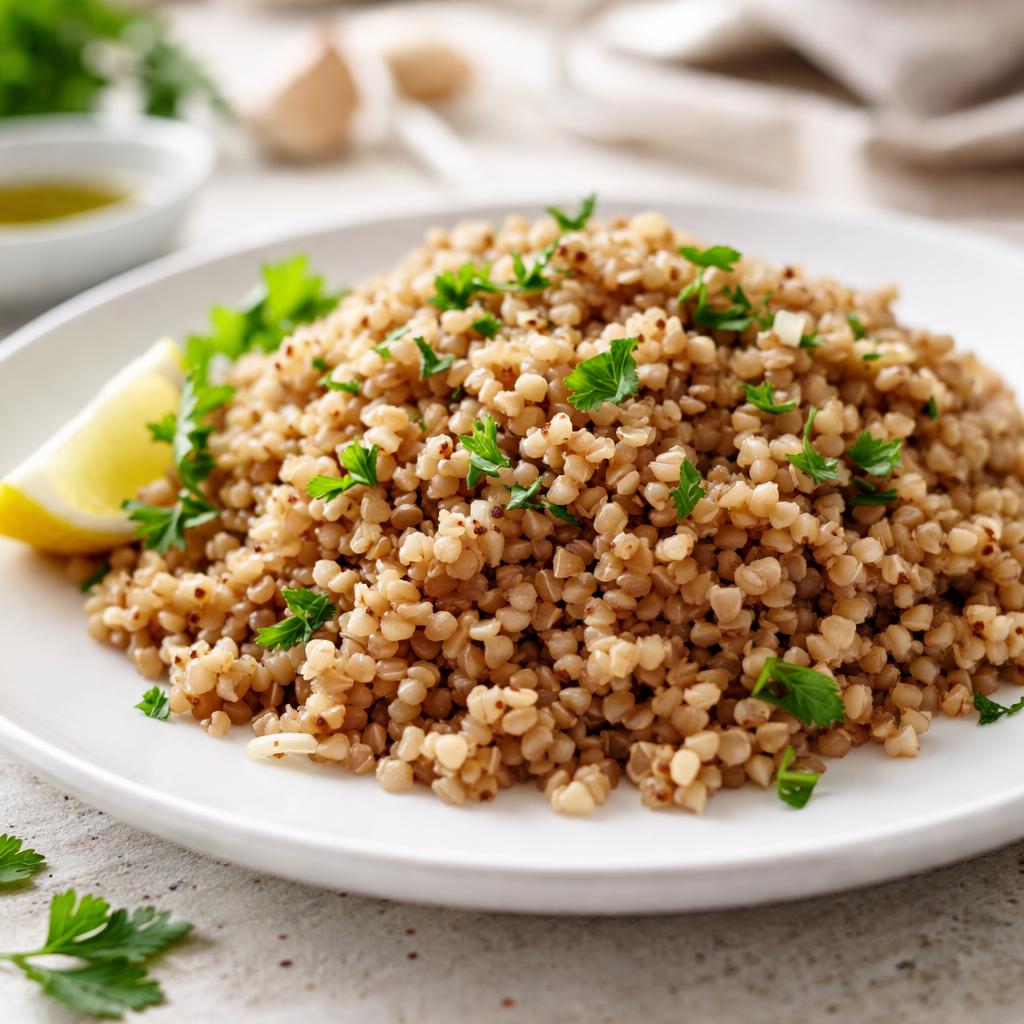
Buckwheat
🎯 Quick Verdict
Buckwheat surpasses rice in protein (6g vs 2g per cooked cup), fiber (5g vs 0.6g per cooked cup), and many micronutrients, making it a more nutrient-dense choice. However, rice is lower in calories (205 vs 155 per cooked cup) and easier to digest, making it suitable for low-energy diets or sensitive stomachs.

Smart Nutrition Tracking with SnapCalorie

📊 Nutritional Comparison
Macronutrients
| Nutrient | Food 1 | Food 2 | Winner |
|---|---|---|---|
| Calories | 205 | 155 | ✓ |
| Protein | 4g | 6g | ✓ |
| Carbs | 45g | 33g | ✓ |
| Fat | 0.4g | 1g | ✓ |
| Fiber | 0.6g | 5g | ✓ |
Vitamins & Minerals
| Nutrient | Food 1 | Food 2 | Winner |
|---|---|---|---|
| Vitamin B6 | 0.1mg | 0.2mg | ✓ |
| Magnesium | 5mg | 86mg | ✓ |
| Iron | 0.5mg | 1mg | ✓ |
| Zinc | 0.5mg | 0.9mg | ✓ |
🏆 Category Winners
Protein
Buckwheat provides 50% more protein than rice per serving.
Fiber
Buckwheat has significantly higher fiber content (5g vs 0.6g per serving).
Calories
Rice contains fewer calories, making it better for strict calorie tracking.
Vitamins
Buckwheat is richer in key minerals like magnesium, iron, and zinc.
🥗 Diet Compatibility
Keto
Food 1: Not Compatible
Food 2: Not Compatible
Both are relatively high in carbs, making them unsuitable for strict keto diets.
Vegan
Food 1: Compatible
Food 2: Compatible
Both foods are plant-based.
Gluten Free
Food 1: Compatible
Food 2: Compatible
Neither rice nor buckwheat contains gluten.
Paleo
Food 1: Compatible
Food 2: Compatible
Both foods align with paleo principles as they are minimally processed whole foods.
Low Carb
Food 1: Not Compatible
Food 2: Not Compatible
Both foods contain moderate to high carb content per serving.
💪 Health Benefits Comparison
Food 1 Benefits
- Easy to digest and gentle on the stomach
- Provides quick energy due to easily accessible carbohydrates
- Low in fat and sodium, suitable for low-fat diets
- Rich in selenium which supports metabolic health
Food 2 Benefits
- High in fiber for improved digestion and gut health
- Source of plant-based protein for muscle and tissue repair
- Contains magnesium which supports heart health and muscle function
- Rich in flavonoids for antioxidant benefits
✅ The Bottom Line
Rice is ideal for low-energy diets, quick digestion, and easily digestible meals, especially for sensitive stomachs or post-illness recovery. Buckwheat, on the other hand, is a more nutrient-dense option with more fiber and protein, making it a better choice for sustained energy, digestive health, and balanced diets.
Choose Food 1 for: Quick energy boost, sensitive stomachs, low-calorie diets
Choose Food 2 for: High-protein diets, improving digestion, nutrient-dense meals


