Rice VS Brownies
A detailed nutritional comparison
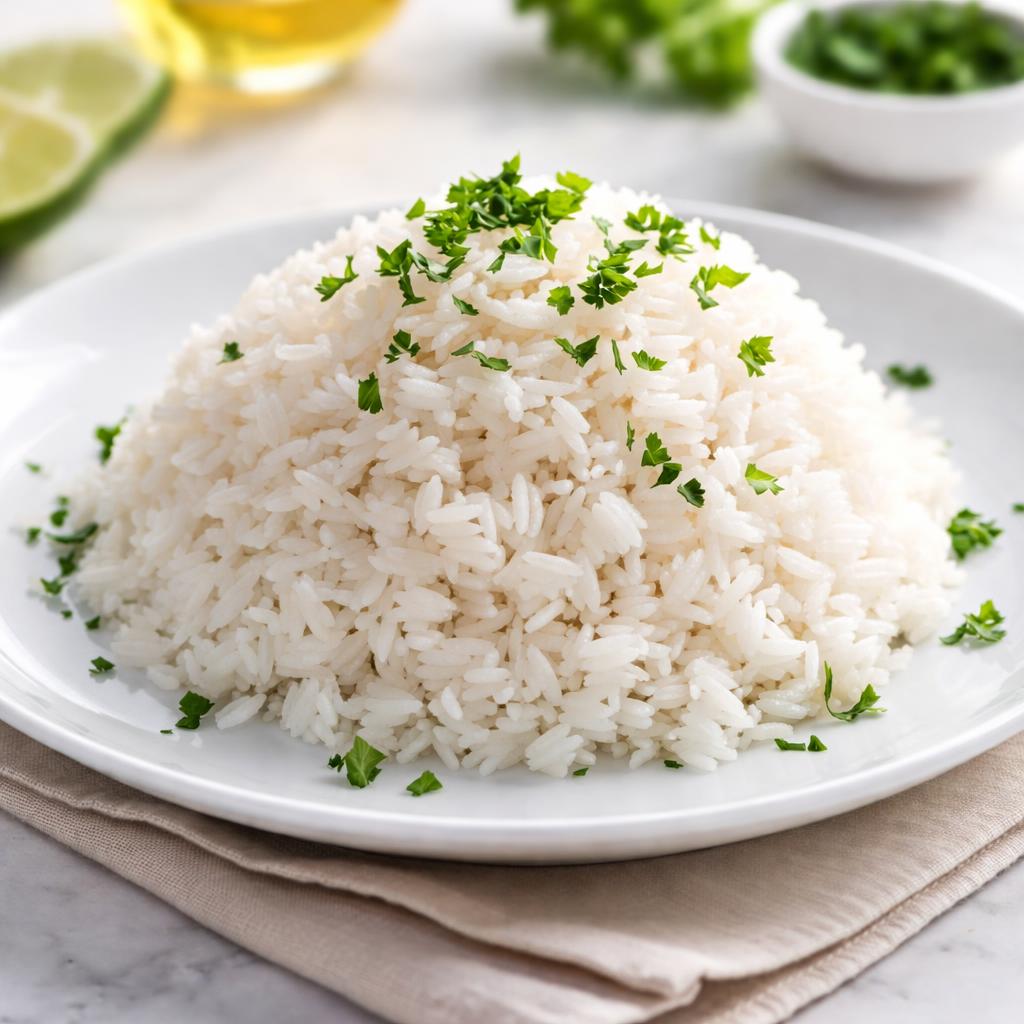
Rice
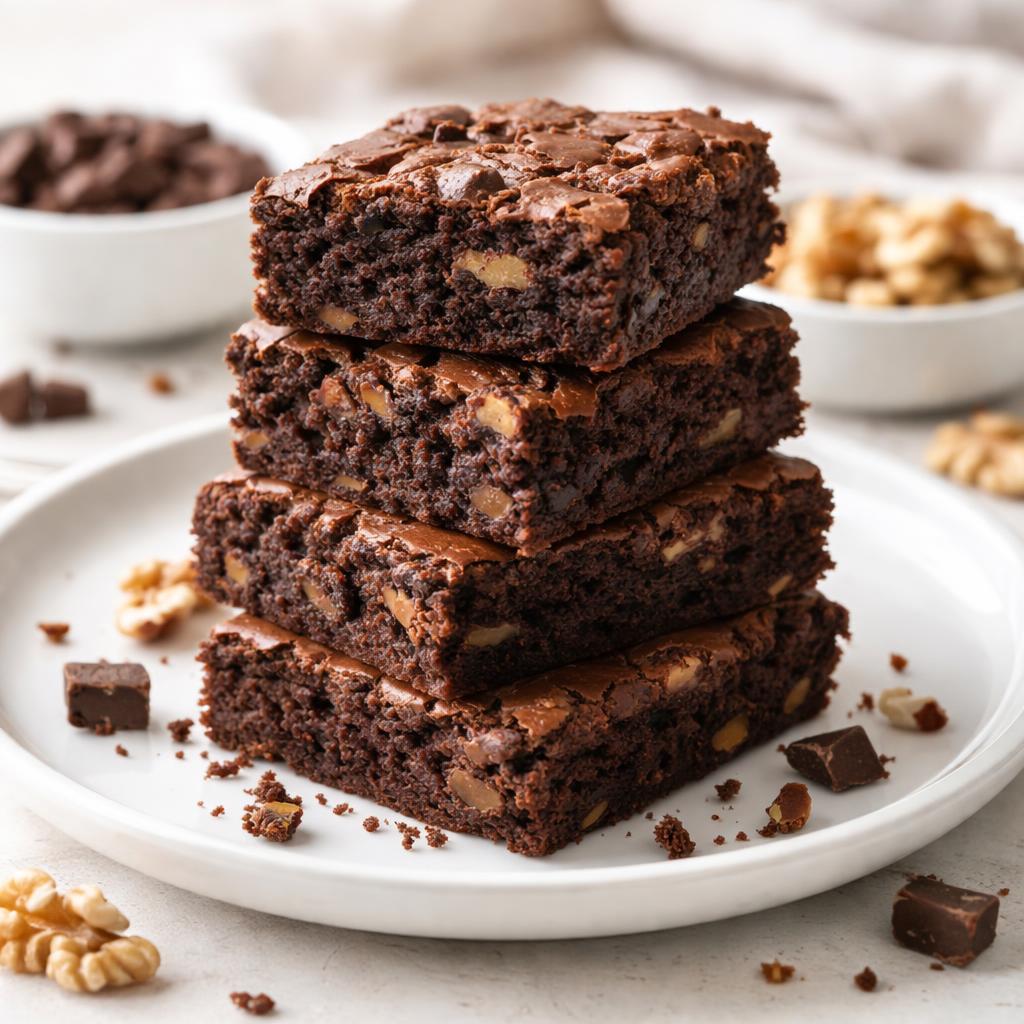
Brownies
🎯 Quick Verdict
Rice and brownies differ significantly in nutritional content. Rice is much lower in calories, fat, and sugar, while brownies are high in sugar and calories, making them more appropriate as an occasional treat. Rice is a staple food suitable for diverse diets due to its lower calorie count and nutrient density.

Smart Nutrition Tracking with SnapCalorie

📊 Nutritional Comparison
Macronutrients
| Nutrient | Food 1 | Food 2 | Winner |
|---|---|---|---|
| Calories | 205 | 466 | ✓ |
| Protein | 4.2g | 3g | ✓ |
| Carbs | 45g | 58g | ✓ |
| Fat | 0.4g | 23g | ✓ |
| Fiber | 0.6g | 1.5g | ✓ |
Vitamins & Minerals
| Nutrient | Food 1 | Food 2 | Winner |
|---|---|---|---|
| Vitamin D | 0mcg | 0mcg | − |
| Calcium | 10mg | 22mg | ✓ |
| Iron | 0.5mg | 1.4mg | ✓ |
🏆 Category Winners
Protein
Rice has slightly more protein, suitable for muscle repair.
Fiber
Brownies contain more fiber per serving for digestive health.
Calories
Rice provides significantly fewer calories, ideal for weight management.
Vitamins
Brownies contain more calcium and iron, beneficial for bones and blood health.
🥗 Diet Compatibility
Keto
Food 1: Not Compatible
Food 2: Not Compatible
Both are high in carbs and unsuitable for keto diets.
Vegan
Food 1: Compatible
Food 2: Varies
Rice is plant-based, but brownies may contain dairy or eggs.
Gluten Free
Food 1: Compatible
Food 2: Not Compatible
Rice is naturally gluten-free, while brownies often contain wheat flour.
Paleo
Food 1: Compatible
Food 2: Not Compatible
Rice may fit into modified paleo diets; brownies don't comply due to processed ingredients.
Low-Carb
Food 1: Not Compatible
Food 2: Not Compatible
Both are relatively high in carbohydrates.
💪 Health Benefits Comparison
Food 1 Benefits
- Low in fat for heart-healthy diets
- Provides sustained energy through complex carbs
- Versatile and easy to digest
Food 2 Benefits
- Contains iron for oxygen transport in the body
- Provides quick energy due to high sugar content
- Rich in flavor, contributing to mood enhancement
✅ The Bottom Line
Choose rice for everyday meals due to its lower calorie and fat content, making it ideal for weight management and balanced diets. Brownies are best enjoyed occasionally as a treat, offering a rich source of sugar and flavor but limited nutritional benefits.
Choose Food 1 for: Weight management, energy balance, gluten-free diets
Choose Food 2 for: Occasional desserts, quick energy boost, iron intake


