Rice VS Brazil Nut
A detailed nutritional comparison
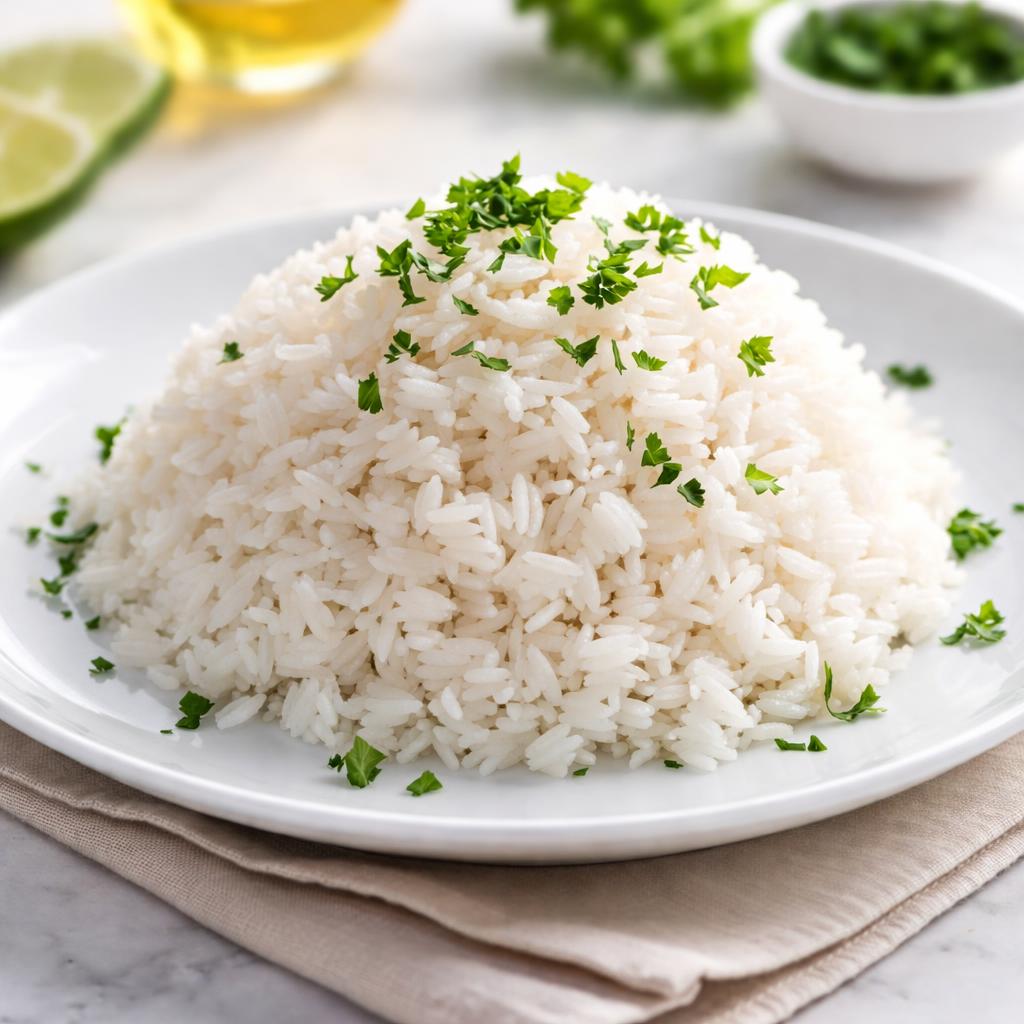
Rice
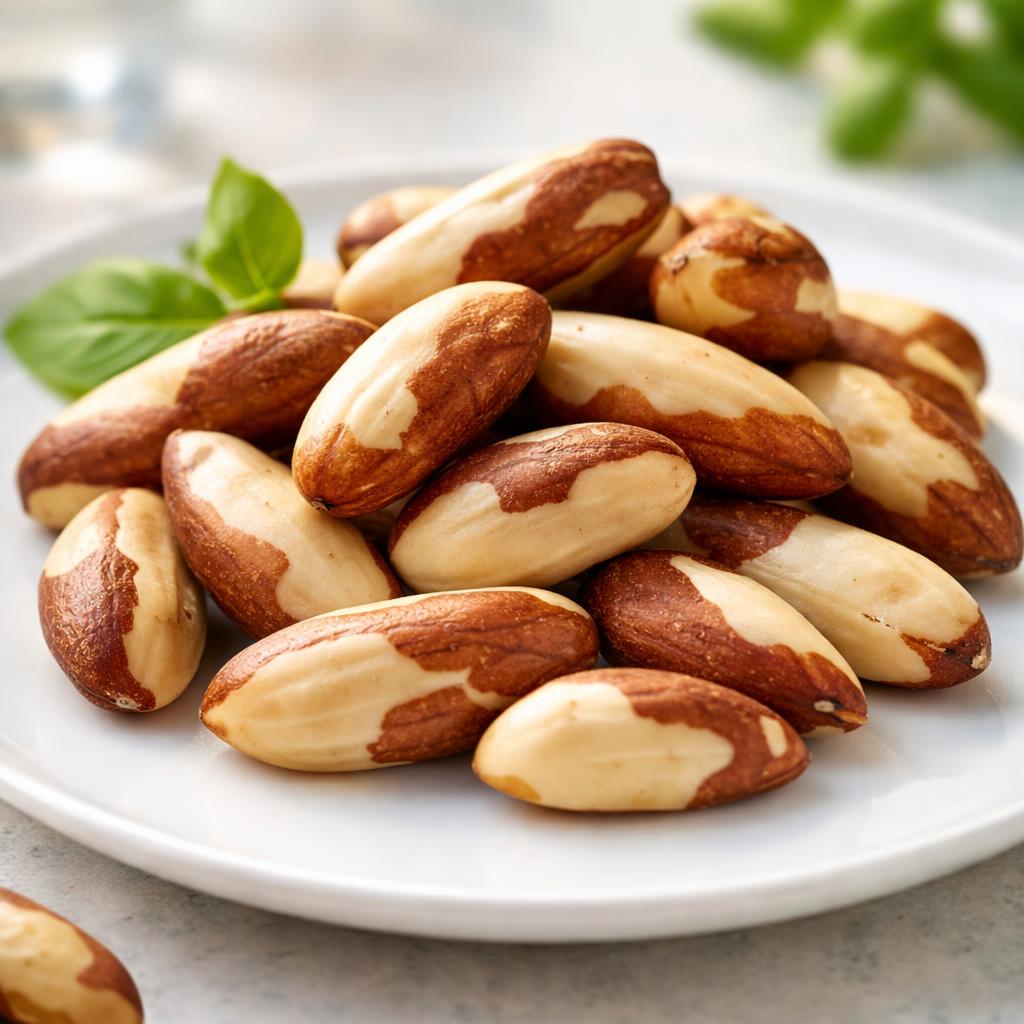
Brazil Nut
🎯 Quick Verdict
Brazil nuts are calorie-dense and nutrient-packed, providing significantly more protein, fiber, and healthy fats compared to rice. Rice is a lower-calorie, carbohydrate-rich option that serves as a versatile base for meals. Brazil nuts are ideal for snacking or boosting nutrient intake, while rice works well as an energy source in larger portions for sustaining meals.

Smart Nutrition Tracking with SnapCalorie

📊 Nutritional Comparison
Macronutrients
| Nutrient | Food 1 | Food 2 | Winner |
|---|---|---|---|
| Calories | 130 (per 100g cooked) | 656 (per 100g raw) | ✓ |
| Protein | 2.7g | 14g | ✓ |
| Carbs | 28g | 12g | ✓ |
| Fat | 0.3g | 66g | ✓ |
| Fiber | 0.4g | 8g | ✓ |
Vitamins & Minerals
| Nutrient | Food 1 | Food 2 | Winner |
|---|---|---|---|
| Vitamin E | 0.1mg | 5.7mg | ✓ |
| Magnesium | 12mg | 376mg | ✓ |
| Selenium | trace | 1917mcg | ✓ |
| Iron | 0.2mg | 2.43mg | ✓ |
🏆 Category Winners
Protein
Brazil nuts offer more than 5x the protein content compared to rice.
Fiber
Brazil nuts provide 20x the fiber of rice per 100g.
Calories
Rice has less than 1/5th the caloric density of Brazil nuts, ideal for lower-calorie meals.
Vitamins
Brazil nuts are an exceptional source of selenium, magnesium, and vitamin E.
🥗 Diet Compatibility
Keto
Food 1: Not Compatible
Food 2: Compatible
Brazil nuts are high in fats and low in carbs, while rice is carb-dense.
Vegan
Food 1: Compatible
Food 2: Compatible
Both are plant-based foods.
Gluten Free
Food 1: Compatible
Food 2: Compatible
Neither contains gluten.
Paleo
Food 1: Not Compatible
Food 2: Compatible
Rice is a cultivated grain, while nuts are paleo-friendly whole foods.
Low-Carb
Food 1: Not Compatible
Food 2: Compatible
Rice is carb-dense (28g per serving), while Brazil nuts are low-carb (12g per serving).
💪 Health Benefits Comparison
Food 1 Benefits
- Provides quick energy through carbohydrates
- Easy to digest, suitable for sensitive stomachs
- Serves as a versatile meal base for global cuisines
Food 2 Benefits
- Rich source of selenium, crucial for thyroid health
- High in healthy fats for heart and brain health
- Packed with magnesium, supporting bone health and relaxation
- Contains antioxidants like vitamin E for cellular protection
✅ The Bottom Line
Choose rice if you need a lower-calorie, carbohydrate-rich base for your meals or quick energy. Opt for Brazil nuts if you're looking for a nutrient-dense snack or a source of healthy fats, protein, and essential minerals like selenium. Combine both foods strategically for balanced nutrition.
Choose Food 1 for: Low-calorie diets, quick energy, meal bases
Choose Food 2 for: Nutrient density, heart health, high-protein/keto diets


