Rice VS Bok Choy
A detailed nutritional comparison
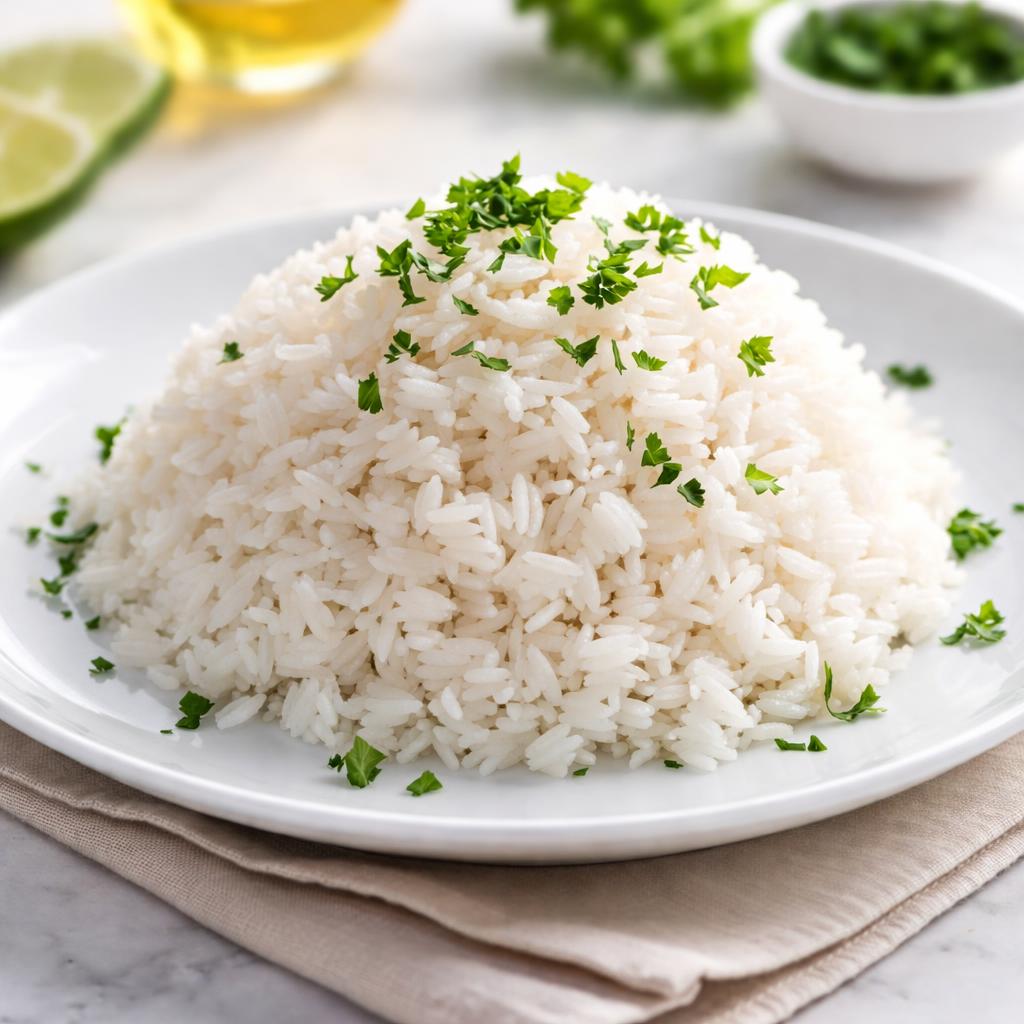
Rice
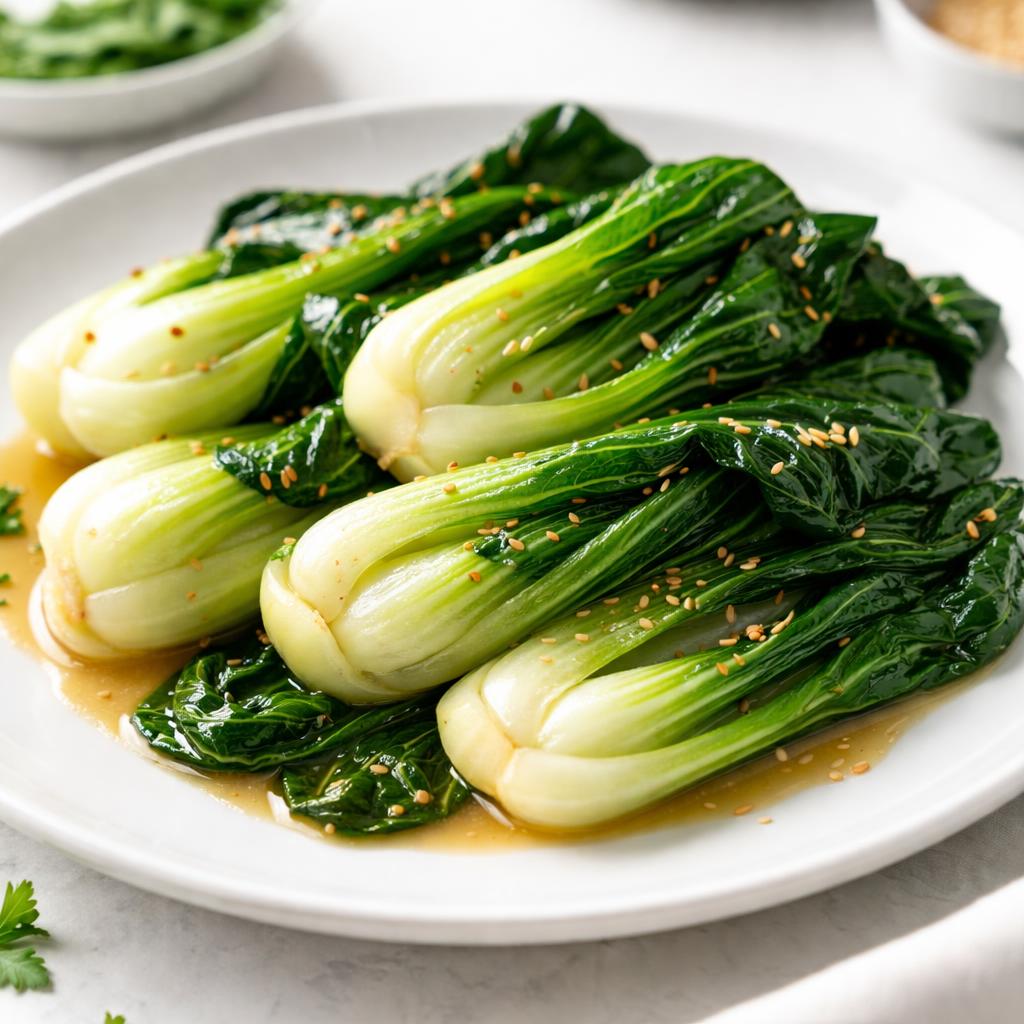
Bok Choy
🎯 Quick Verdict
Rice and bok choy differ significantly in their nutritional profiles. Rice is higher in calories and carbohydrates, making it a good energy source, whereas bok choy contains fewer calories and offers more fiber, making it better for digestion and low-calorie diets. Bok choy is also richer in vitamins such as vitamin C and vitamin K, ideal for overall health and immunity support.

Smart Nutrition Tracking with SnapCalorie

📊 Nutritional Comparison
Macronutrients
| Nutrient | Food 1 | Food 2 | Winner |
|---|---|---|---|
| Calories | 130 per 100g | 13 per 100g | ✓ |
| Protein | 2.7g per 100g | 1.5g per 100g | − |
| Carbs | 28.2g per 100g | 2.2g per 100g | ✓ |
| Fat | 0.3g per 100g | 0.2g per 100g | − |
| Fiber | 0.4g per 100g | 1.0g per 100g | ✓ |
Vitamins & Minerals
| Nutrient | Food 1 | Food 2 | Winner |
|---|---|---|---|
| Vitamin C | 0mg | 45mg per 100g | ✓ |
| Vitamin K | 0mcg | 45.5mcg per 100g | ✓ |
| Calcium | 10mg per 100g | 105mg per 100g | ✓ |
| Iron | 0.2mg per 100g | 0.8mg per 100g | ✓ |
🏆 Category Winners
Protein
Both foods provide similar amounts of low protein per serving.
Fiber
Bok choy offers significantly more fiber to aid digestion.
Calories
Bok choy is extremely low in calories compared to rice.
Vitamins
Bok choy is rich in vitamin C, vitamin K, calcium, and iron, making it nutritionally superior in vitamins.
🥗 Diet Compatibility
Keto
Food 1: Not Compatible
Food 2: Compatible
Rice is high in carbs, while bok choy is low-carb and keto-friendly.
Vegan
Food 1: Compatible
Food 2: Compatible
Both foods are plant-based and suitable for vegan diets.
Gluten Free
Food 1: Compatible
Food 2: Compatible
Neither rice nor bok choy contains gluten.
Paleo
Food 1: Not Recommended
Food 2: Recommended
Rice is not typically part of a paleo diet, while bok choy is suitable as a paleo-friendly vegetable.
Low-Carb
Food 1: Not Recommended
Food 2: Recommended
Rice is high in carbs, whereas bok choy is low-carb.
💪 Health Benefits Comparison
Food 1 Benefits
- Provides a quick source of energy due to high carbohydrates
- Easy to digest for those with sensitive stomachs
- Great for athletes needing high-energy foods
Food 2 Benefits
- High in antioxidants like vitamin C to support immune health
- Rich in vitamin K for bone and cardiovascular health
- Low-calorie and high-fiber, aiding in weight management and digestion
- Contains calcium and iron for bone strength and improved oxygen transport
✅ The Bottom Line
Rice is ideal for those looking for a quick energy source, making it a staple in active lifestyles or high-carb diets. Bok choy, on the other hand, shines as a low-calorie, nutrient-dense superfood perfect for weight loss, keto diets, or boosting vitamin intake. Both have distinct uses depending on dietary goals.
Choose Food 1 for: Energy-focused diets, post-workout carb replenishment, simple meals for sensitive digestion
Choose Food 2 for: Weight management, low-carb diets, nutrient-dense meals for overall health


