Rice VS Black Pepper
A detailed nutritional comparison
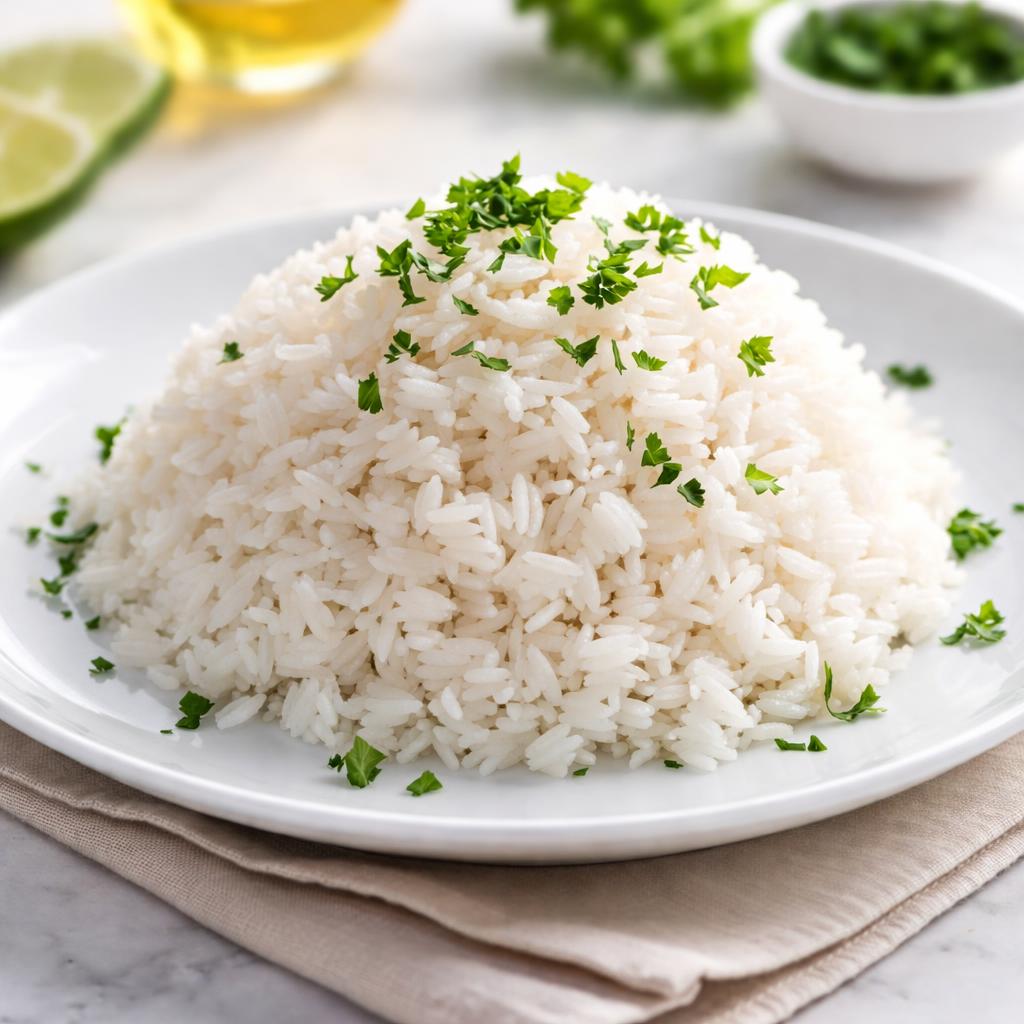
Rice
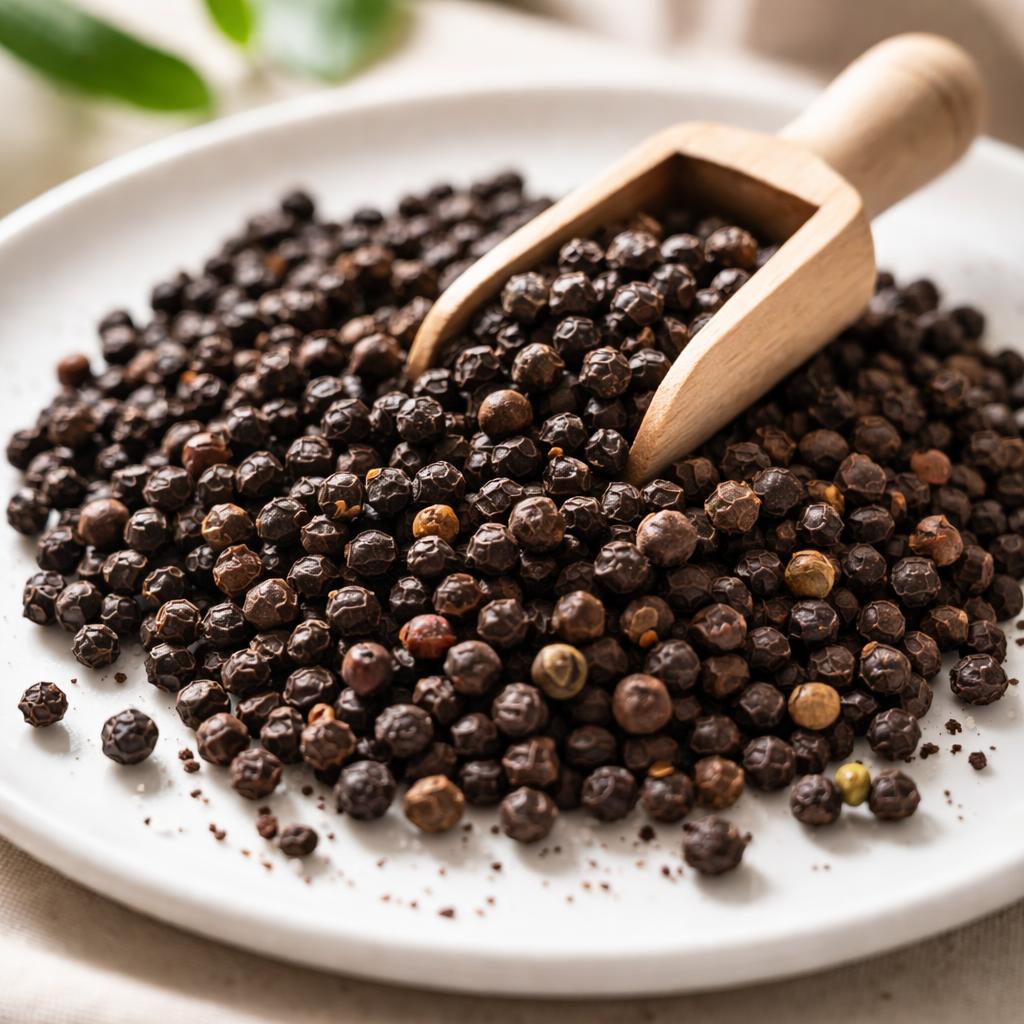
Black Pepper
🎯 Quick Verdict
Rice and black pepper serve very different purposes in nutrition. Rice is a higher-calorie staple food offering more protein and carbohydrates, while black pepper is much lower in calories but rich in antioxidants and useful for enhancing food flavor. Rice is best for energy density, and black pepper for seasoning and its bioactive compounds.

Smart Nutrition Tracking with SnapCalorie

📊 Nutritional Comparison
Macronutrients
| Nutrient | Food 1 | Food 2 | Winner |
|---|---|---|---|
| Calories | 130 | 6 | − |
| Protein | 2.7g | 0.2g | − |
| Carbs | 28.2g | 1.4g | − |
| Fat | 0.3g | 0.3g | − |
| Fiber | 0.4g | 0.5g | − |
Vitamins & Minerals
| Nutrient | Food 1 | Food 2 | Winner |
|---|---|---|---|
| Vitamin D | 0mcg | 0mcg | − |
| Calcium | 10mg | 44mg | − |
| Iron | 0.2mg | 1.7mg | − |
🏆 Category Winners
Protein
Rice offers 13x more protein than black pepper (2.7g vs 0.2g per serving).
Fiber
Both foods have a comparable low fiber content per serving.
Calories
Black pepper is significantly lower in calories (6 calories vs 130 per serving).
🥗 Diet Compatibility
Keto
Food 1: Not Compatible
Food 2: Compatible
Black pepper is very low-carb, whereas rice is high in carbohydrates.
Vegan
Food 1: Compatible
Food 2: Compatible
Both foods are plant-based.
Gluten Free
Food 1: Compatible
Food 2: Compatible
Neither rice nor black pepper contains gluten.
Paleo
Food 1: Compatible
Food 2: Compatible
Both foods are allowed in a paleo diet.
Low-Carb
Food 1: Not Compatible
Food 2: Compatible
Rice has a high carbohydrate content, making it unsuitable for low-carb diets.
💪 Health Benefits Comparison
Food 1 Benefits
- Rich in carbohydrates providing quick and sustainable energy
- Low in fat, making it suitable for low-fat diets
- Gluten-free and easy to digest, suitable for sensitive stomachs
Food 2 Benefits
- High in antioxidants that may reduce inflammation
- Contains small amounts of essential minerals like calcium and iron
- Enhances digestion by stimulating enzyme production
✅ The Bottom Line
Rice is ideal for those seeking a calorie-dense source of carbohydrates and moderate protein, useful for energy-intensive activities or as a staple. Black pepper, on the other hand, is best used as a seasoning and for its antioxidant properties. Together, they complement most diets well, but black pepper alone better suits weight loss and low-carb regimens.
Choose Food 1 for: Energy boost, staple food, high-carb diets
Choose Food 2 for: Flavor enhancement, antioxidants, low-carb seasoning


