Rice VS Black-Eyed Peas
A detailed nutritional comparison
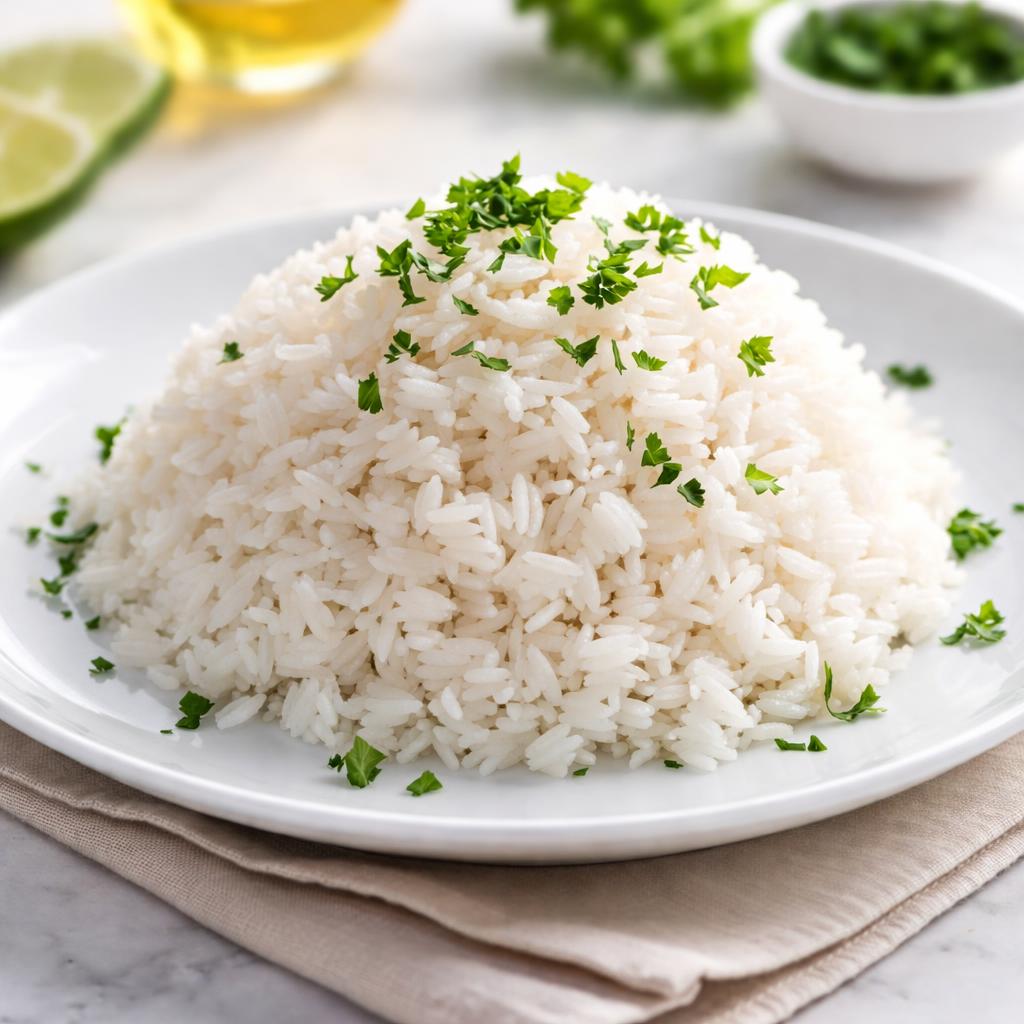
Rice
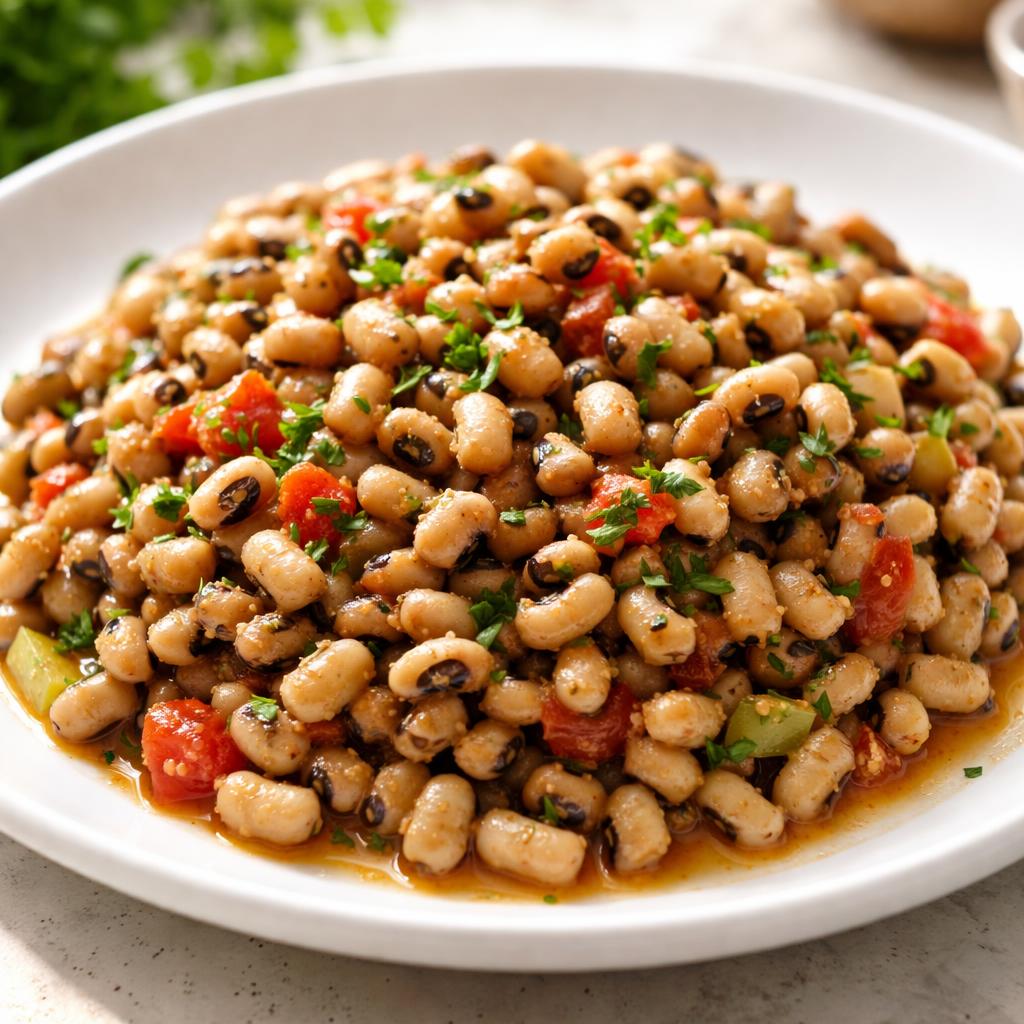
Black-Eyed Peas
🎯 Quick Verdict
Black-eyed peas outshine rice in terms of protein and fiber, making them a more nutrient-dense option. Rice, however, is lower in calories and offers quick energy, making it a better choice for those focusing on maintaining a calorie deficit or needing easy-to-digest starches. Both foods have their merits depending on dietary goals and lifestyle needs.

Smart Nutrition Tracking with SnapCalorie

📊 Nutritional Comparison
Macronutrients
| Nutrient | Food 1 | Food 2 | Winner |
|---|---|---|---|
| Calories | 130 per 100g | 110 per 100g | ✓ |
| Protein | 2.7g per 100g | 8g per 100g | ✓ |
| Carbs | 28g per 100g | 20g per 100g | ✓ |
| Fat | 0.3g per 100g | 0.8g per 100g | ✓ |
| Fiber | 0.4g per 100g | 6.6g per 100g | ✓ |
Vitamins & Minerals
| Nutrient | Food 1 | Food 2 | Winner |
|---|---|---|---|
| Vitamin A | 0mcg | 15mcg | ✓ |
| Vitamin D | 0mcg | 0mcg | − |
| Calcium | 10mg | 42mg | ✓ |
| Iron | 0.2mg | 2.23mg | ✓ |
🏆 Category Winners
Protein
Black-eyed peas contain nearly 3x the protein of rice (8g vs 2.7g).
Fiber
Black-eyed peas are much higher in fiber, providing 6.6g compared to rice's 0.4g per 100g.
Calories
Rice is slightly lower in calories, with 130 calories compared to 110 for black-eyed peas.
Vitamins
Black-eyed peas are significantly richer in vitamins and minerals like Vitamin A, calcium, and iron.
🥗 Diet Compatibility
Keto
Food 1: Not Compatible
Food 2: Not Compatible
Both foods are high-carb and not suitable for strict keto diets.
Vegan
Food 1: Compatible
Food 2: Compatible
Both are plant-based and vegan-friendly options.
Gluten Free
Food 1: Compatible
Food 2: Compatible
Neither contains gluten and is suitable for gluten-free diets.
Paleo
Food 1: Not Compatible
Food 2: Not Compatible
Neither rice nor black-eyed peas are considered paleo-friendly as they are grains and legumes, respectively.
Low-Carb
Food 1: Not Compatible
Food 2: Not Compatible
Both foods have relatively high carbohydrate content and are not ideal for low-carb diets.
💪 Health Benefits Comparison
Food 1 Benefits
- Provides quick, easy-to-digest energy for workouts or recovery.
- Low in fat, making it suitable for low-fat diets.
- Gluten-free, safe for individuals with celiac disease or sensitivities.
Food 2 Benefits
- Rich in plant-based protein for muscle maintenance and repair.
- High in dietary fiber to support gut health and manage cholesterol.
- Provides significant amounts of iron, supporting oxygen transportation in the body.
- Contains antioxidants that may reduce inflammation and promote heart health.
✅ The Bottom Line
Choose black-eyed peas when looking for a nutrient-dense source of plant-based protein, fiber, and minerals. Opt for rice if you need a lower-calorie, quick-energy option that is easy to digest. Both are great choices depending on goals such as muscle building or energy maintenance.
Choose Food 1 for: Quick energy, low-fat diets, calorie-conscious meal plans
Choose Food 2 for: High-protein diets, gut health, managing cholesterol levels and anemia


