Rice VS Bell Peppers
A detailed nutritional comparison
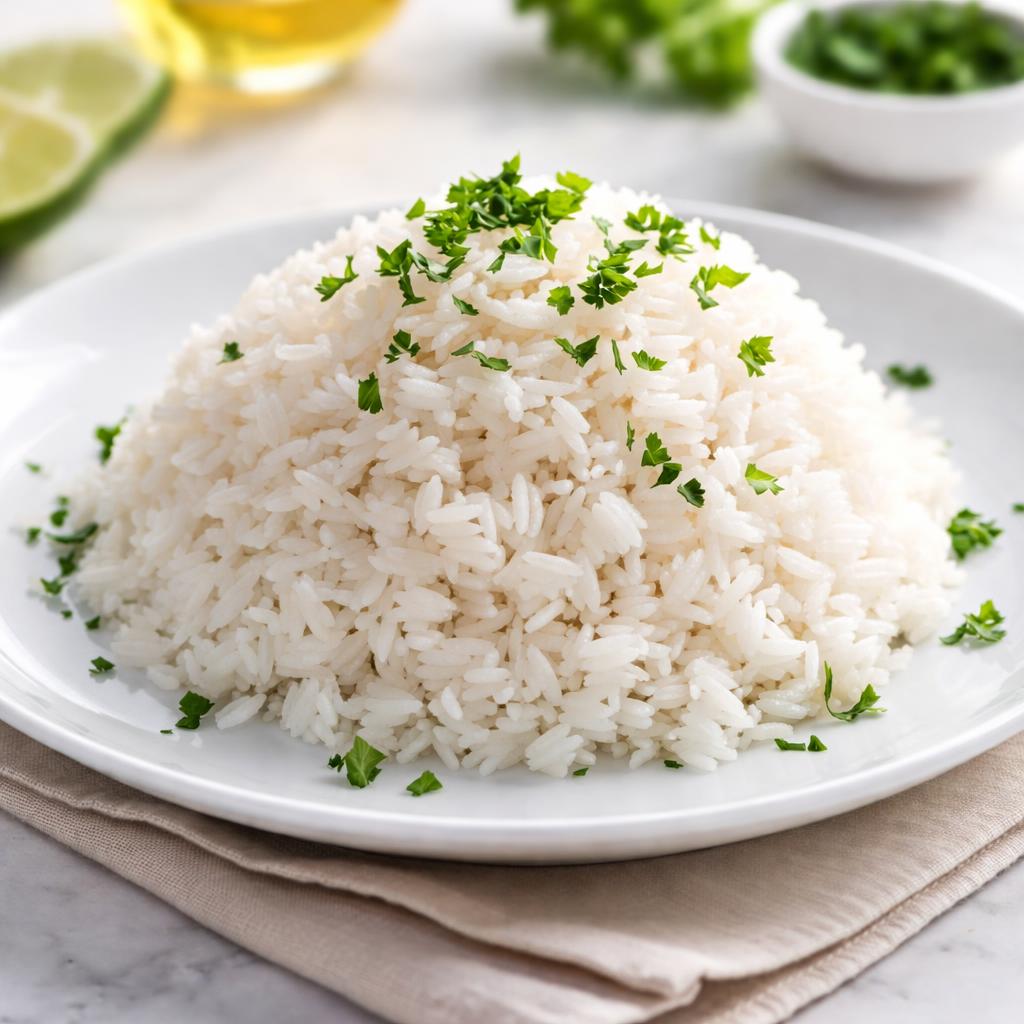
Rice
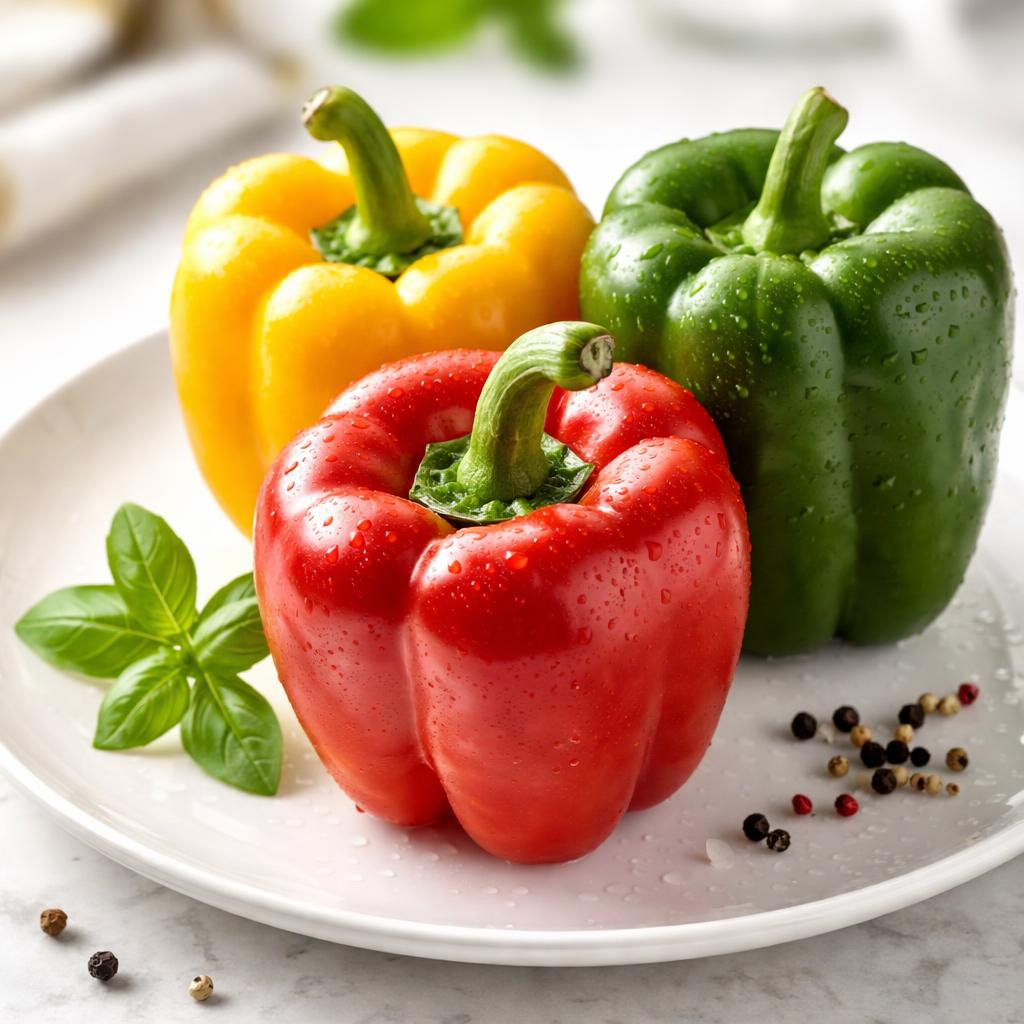
Bell Peppers
🎯 Quick Verdict
Rice and bell peppers serve different nutritional purposes. Rice excels in providing energy due to its high carbohydrate content, making it suitable for fueling physical activity. Bell peppers, however, are lower in calories and rich in fiber, vitamins, and antioxidants, making them ideal for nutrient density and weight management goals.

Smart Nutrition Tracking with SnapCalorie

📊 Nutritional Comparison
Macronutrients
| Nutrient | Food 1 | Food 2 | Winner |
|---|---|---|---|
| Calories | 130 per 1 cup (plain, cooked) | 30 per 1 cup (raw, chopped) | ✓ |
| Protein | 2.7g | 1g | − |
| Carbs | 28g | 7g | ✓ |
| Fat | 0.3g | 0.4g | − |
| Fiber | 0.4g | 3.1g | ✓ |
Vitamins & Minerals
| Nutrient | Food 1 | Food 2 | Winner |
|---|---|---|---|
| Vitamin C | 0mg | 95mg | ✓ |
| Vitamin A | 0IU | 4666IU | ✓ |
| Potassium | 35mg | 211mg | ✓ |
🏆 Category Winners
Protein
Both foods are low in protein and comparable per serving.
Fiber
Bell peppers have significantly more fiber, providing 3.1g compared to only 0.4g in rice.
Calories
Bell peppers have fewer calories (30 vs 130 per cup).
🥗 Diet Compatibility
Keto
Food 1: Not Compatible
Food 2: Compatible
Bell peppers are low-carb and keto-friendly, while rice is high in carbs.
Vegan
Food 1: Compatible
Food 2: Compatible
Both are plant-based foods suitable for vegan diets.
Gluten Free
Food 1: Compatible
Food 2: Compatible
Neither contains gluten, making both safe for gluten-free diets.
Paleo
Food 1: Not Compatible
Food 2: Compatible
Rice is not allowed in paleo diets, while bell peppers meet paleo standards.
Low Carb
Food 1: Not Compatible
Food 2: Compatible
Bell peppers have only 7g of carbs per cup compared to 28g in rice.
💪 Health Benefits Comparison
Food 1 Benefits
- Excellent source of energy from carbohydrates
- Low in fat, making it a heart-healthy choice
- Easy to digest, making it suitable for sensitive stomachs
Food 2 Benefits
- Rich in antioxidants like vitamin C for immune health
- High fiber content for digestion and weight management
- Source of vitamin A and potassium for eye health and muscle function
✅ The Bottom Line
Choose rice for energy and athletic performance or when seeking a filling carbohydrate source. Opt for bell peppers when aiming for a vitamin-rich, low-calorie food to complement weight loss or nutrient-dense meals.
Choose Food 1 for: Energy needs, post-workout refueling, quick and filling meals
Choose Food 2 for: Weight management, boosting vitamin intake, nutrient-dense recipes


