Rice VS Bean Stew
A detailed nutritional comparison
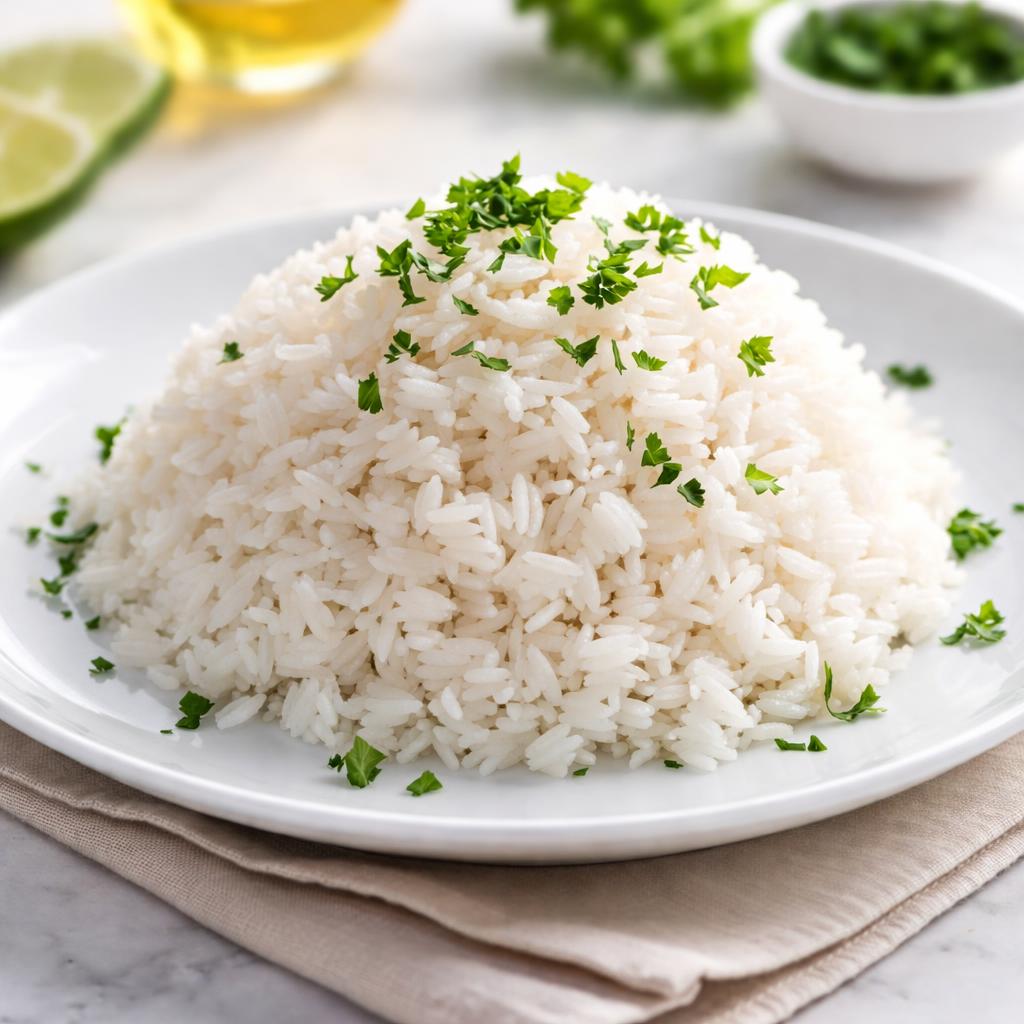
Rice
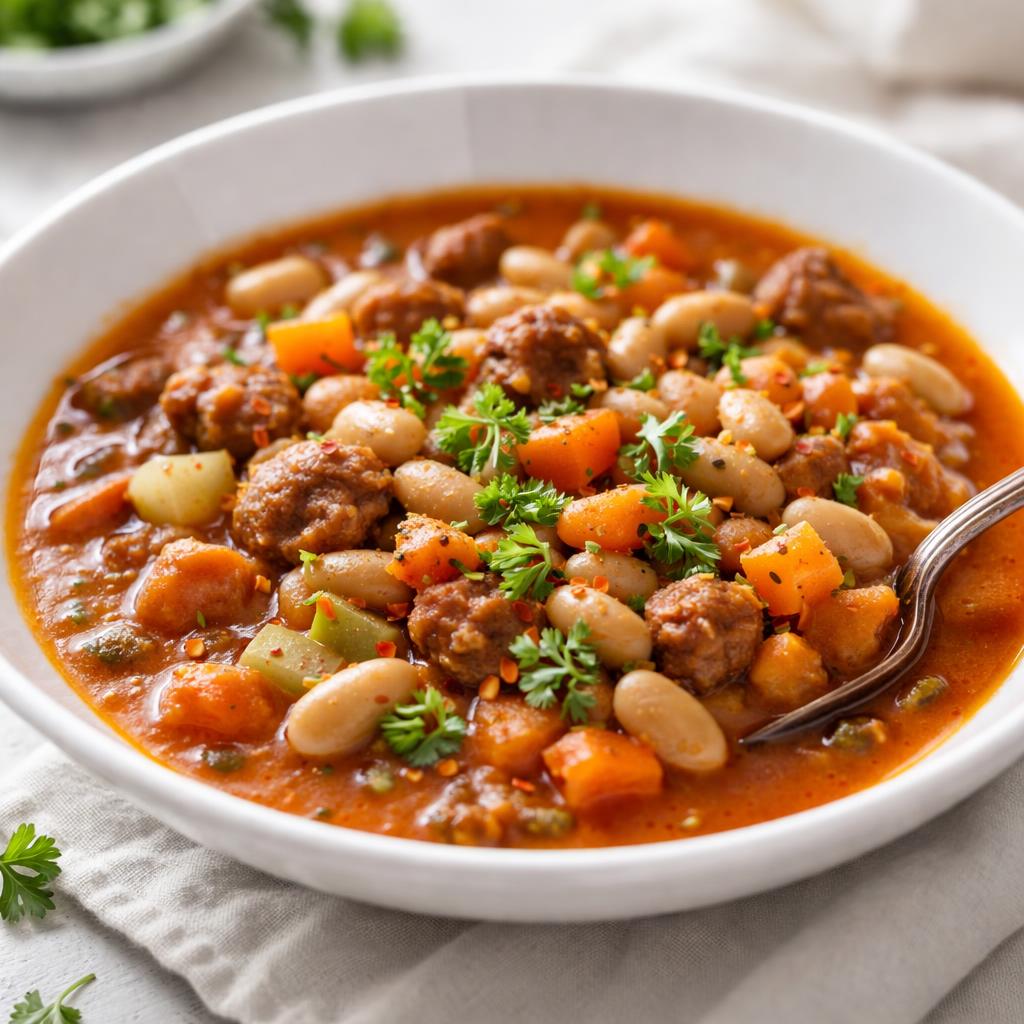
Bean Stew
🎯 Quick Verdict
Bean stew offers significantly more protein and fiber compared to rice, making it a better choice for nutrient density and satiety. However, rice has fewer calories and is a good source of energy, making it suitable for those needing quick fuel. Both are versatile and can complement various diets, but bean stew is more nutrient-rich overall.

Smart Nutrition Tracking with SnapCalorie

📊 Nutritional Comparison
Macronutrients
| Nutrient | Food 1 | Food 2 | Winner |
|---|---|---|---|
| Calories | 206 (1 cup cooked) | 250 (1 cup) | − |
| Protein | 4.25g | 14g | − |
| Carbs | 44.5g | 35g | − |
| Fat | 0.5g | 7g | − |
| Fiber | 0.6g | 9.5g | − |
Vitamins & Minerals
| Nutrient | Food 1 | Food 2 | Winner |
|---|---|---|---|
| Vitamin D | 0mcg | 0mcg | − |
| Calcium | 10mg | 80mg | − |
| Iron | 0.24mg | 4mg | − |
| Potassium | 55mg | 600mg | − |
🏆 Category Winners
Protein
Bean stew contains over 3x the protein of rice per serving.
Fiber
Bean stew is far richer in fiber, with 9.5g versus 0.6g in rice.
Calories
Rice has fewer calories per serving, suitable for those needing lighter meals.
Vitamins
Bean stew is higher in calcium, iron, and potassium.
🥗 Diet Compatibility
Keto
Food 1: Not Compatible
Food 2: Not Compatible
Both are high-carb foods.
Vegan
Food 1: Compatible
Food 2: Compatible
Both are plant-based and vegan-friendly.
Gluten Free
Food 1: Compatible
Food 2: Compatible
Neither contains gluten.
Paleo
Food 1: Not Compatible
Food 2: Conditional (depends on ingredients)
Rice is not paleo while bean stew, depending on preparation, may or may not conform to paleo.
Low-Carb
Food 1: Not Compatible
Food 2: Not Compatible
Both foods contain relatively high carbohydrate content.
💪 Health Benefits Comparison
Food 1 Benefits
- Provides quick energy due to high carbohydrate content
- Low in fat for lighter meals
- Easily digestible and suitable for sensitive stomachs
Food 2 Benefits
- Rich in protein, which supports muscle growth and repair
- High in fiber, promoting better digestion and satiety
- Packed with minerals like potassium and iron to improve heart health and circulation
- Contains antioxidants that may reduce inflammation
✅ The Bottom Line
Bean stew is the more nutrient-dense option, ideal for muscle building, enhancing digestion, and overall health due to its superior protein, fiber, and mineral content. Rice is lighter and lower in calories, making it perfect for quick energy boosts or for pairing with nutrient-dense dishes. Choose bean stew for balanced, nutrient-rich meals, and rice for quick fuel or as a meal base.
Choose Food 1 for: Quick energy, easy digestion, light meals
Choose Food 2 for: Muscle maintenance, gut health, nutrient density


