Rice VS Baked Chicken
A detailed nutritional comparison
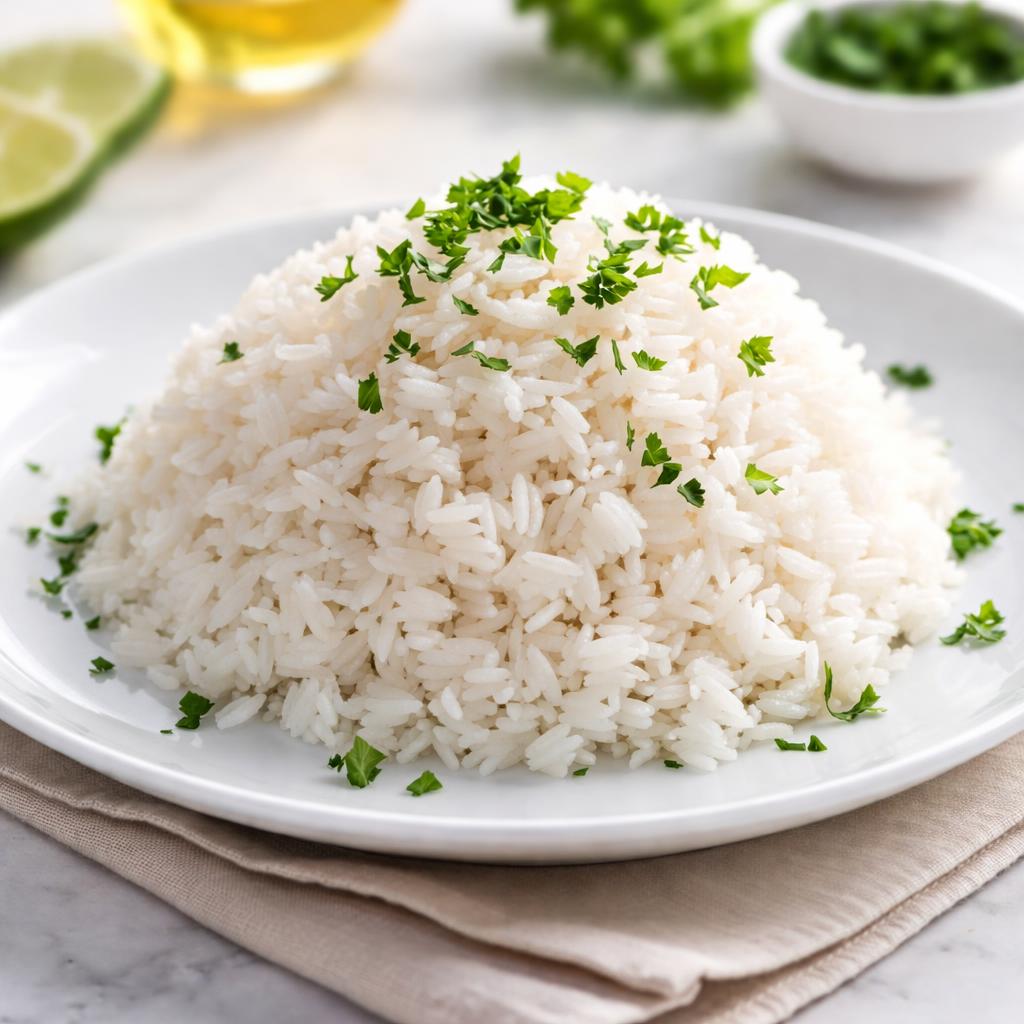
Rice
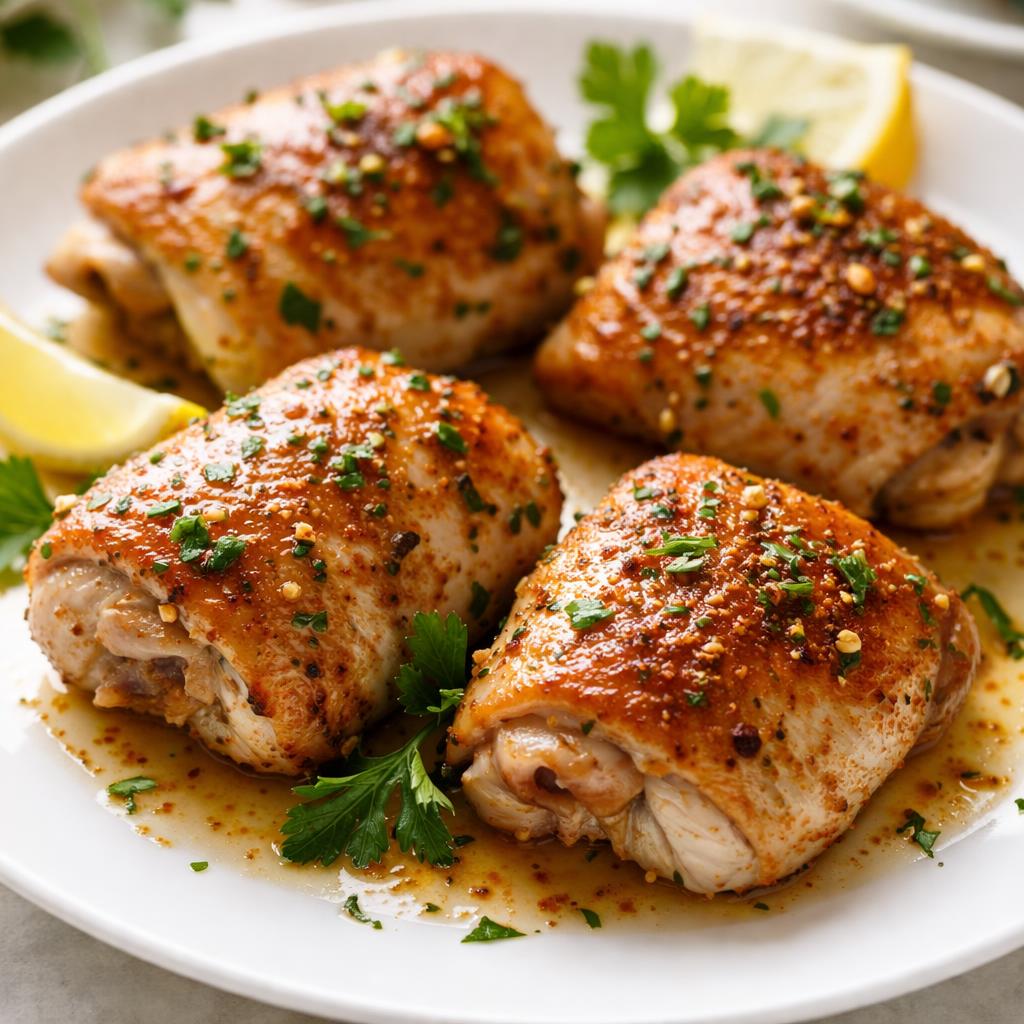
Baked Chicken
🎯 Quick Verdict
Baked chicken is significantly higher in protein and lower in calories compared to rice, making it ideal for muscle maintenance and weight management. Rice, on the other hand, is a carbohydrate-rich option that provides energy and is higher in fiber, making it suitable for sustained fuel during physical activity or recovery meals.

Smart Nutrition Tracking with SnapCalorie

📊 Nutritional Comparison
Macronutrients
| Nutrient | Food 1 | Food 2 | Winner |
|---|---|---|---|
| Calories | 206 (1 cup cooked) | 165 (3 oz baked) | ✓ |
| Protein | 4.3g | 31g | ✓ |
| Carbs | 44.5g | 0g | ✓ |
| Fat | 0.4g | 3.6g | ✓ |
| Fiber | 0.6g | 0g | ✓ |
Vitamins & Minerals
| Nutrient | Food 1 | Food 2 | Winner |
|---|---|---|---|
| Vitamin D | 0mcg | 0.1mcg | ✓ |
| Calcium | 10mg | 13mg | ✓ |
| Iron | 0.7mg | 1mg | ✓ |
🏆 Category Winners
Protein
Baked chicken is a complete protein source with 7x more protein than rice.
Fiber
Rice has 0.6g of fiber while baked chicken contains none.
Calories
Baked chicken has 20% fewer calories per serving compared to rice.
Vitamins
Baked chicken provides slightly more vital nutrients like iron and calcium.
🥗 Diet Compatibility
Keto
Food 1: Not Compatible
Food 2: Compatible
Baked chicken is low-carb and supports keto diets.
Vegan
Food 1: Compatible
Food 2: Not Compatible
Rice is plant-based while chicken is animal-derived.
Gluten Free
Food 1: Compatible
Food 2: Compatible
Neither food contains gluten.
Paleo
Food 1: Not Compatible
Food 2: Compatible
Baked chicken aligns with the paleo diet principles while rice does not.
Low-Carb
Food 1: Not Compatible
Food 2: Compatible
Chicken has zero carbs, whereas rice is high-carb (44.5g per serving).
💪 Health Benefits Comparison
Food 1 Benefits
- Provides sustained energy from complex carbohydrates
- Good source of magnesium for nerve and muscle function
- Heart-healthy as it's naturally very low in fat
- Versatile staple for balanced meals and dietary diversity
Food 2 Benefits
- Excellent source of high-quality protein for muscle building
- Rich in iron to support blood health and oxygen transport
- Low in calories, assisting in weight management
- Contains selenium, an antioxidant that supports the immune system
✅ The Bottom Line
Baked chicken is a better choice if you're looking for high protein, low calories, and compatibility with low-carb or paleo diets. Meanwhile, rice provides a carb-dense option suitable for fueling long workouts or being part of a vegan or gluten-free meal plan. Choose chicken for weight loss and post-workout recovery, and rice for energy and balanced meal preparations.
Choose Food 1 for: Energy recovery meals, plant-based diets, balanced carb sources
Choose Food 2 for: Weight loss, muscle building, low-carb diets, post-workout


